
Introduction
Rickets, first identified as a distinct disease in the 17th century, remains a prevalent condition worldwide (Gentile, and Chiarelli, 2021, p. 1). Its clinical descriptions, however, date back much earlier, with accounts attributed to Homer (900 BCE) and Soranus of Ephesus (130 BCE). Rickets is a clinical syndrome of childhood caused by a failure or delay in the mineralization of growth plates in developing bones. Vitamin D deficiency is a prerequisite for the development of rickets in most children, leading to delayed growth. Consequently, patients with this condition are prone to bending of weight-bearing limbs and skeletal fractures (Harrison, 2018, pp. 3168–3169). The disease is typically associated with ultraviolet radiation deficiency and insufficient dietary intake of vitamin D. Since dietary sources often lack adequate vitamin D, food fortification contributes little to improving an individual’s vitamin D levels. Therefore, adequate skin exposure to ultraviolet radiation is essential for preventing rickets in most cases (Pettifor, Thandrayen, and Thacher, 2018, pp. 179–180). One of the prevalent diseases in Kerman Province was rickets, which primarily affected children working in carpet-weaving houses. Unsanitary conditions, poor workshop lighting, and excessively long working hours created an environment conducive to the development of rickets among these child weavers. The Church Missionary Society (C.M.S.), through the establishment of the Missionary Hospital in Kerman, made significant medical efforts to improve the health of carpet-weaving children affected by rickets. To date, no research has been published on this subject. Although Safoura Borumand (2002) and Honarmand Ebrahimi (2013) have briefly mentioned the activities of the Church Missionary Society in Kerman in their works, neither of these authors has addressed the issue of rickets or the role of British doctors. Therefore, given the scarcity of research in this area, this study employs a descriptive-analytical method, drawing on archival documents from Iran and the United Kingdom, to address the central question: What role did British doctors affiliated with the Church Missionary Society play in the prevention and treatment of rickets? Before addressing this question, the article will first explore the history of the Church Missionary Society, the establishment of the Missionary Hospital, and the presence of British doctors in this hospital. The main topic will then be examined in the subsequent sections of the article.
The English Missionary Society
In the history of post-Islamic Iran, organized efforts by Christian missionaries to convert the Iranian population to Christianity began during the Safavid era. During this period, numerous missionaries traveled to Iran and engaged in long-term proselytizing activities. After the fall of the Safavid dynasty and the subsequent crises during the Afsharid and Zand periods, missionary efforts to promote Christianity resumed with the rise of the Qajar dynasty, along with the political transformations of the 19th century and Iran’s strategic role in the rivalry between European powers, especially Britain and France. Missionaries sent to Iran focused on three main areas: establishing churches, hospitals, and schools. Medical and health services in hospitals held particular importance due to the dire healthcare conditions in 19th century Iran. Acting as physicians and nurses, missionaries were able to connect closely with the masses and further their objectives. The adoption of modern medical practices by missionary doctors—in contrast to the methods of traditional healers—gradually established their credibility within Iranian society. Although the British Missionary Society entered Iran later than other Christian missions in the 19th century, it achieved remarkable success by drawing on the experiences of other societies and independent missionaries. Initially called the Society for Missions in Africa and the East, this Society was renamed the Church Missionary Society (C.M.S) in 1812 (Borumand, 2002, p. 56). The Society expanded its activities in the East at a time when health conditions in the region were severely affected by contaminated water, lack of personal and public hygiene, unawareness of maternal health practices, high infant and child mortality rates, and the spread of contagious diseases such as cholera, plague, malaria, influenza, smallpox, typhus, and more. The absence of educated physicians, hospitals, medicines, and pharmacies contributed to the loss of countless lives (Qasemi, 2009, p. 2). During this period, the C.M.S., supported by the Protestant Church, made significant strides in developing, teaching, promoting modern medicine and building hospitals. Initially, they provided charitable and free medical services to the underprivileged sections of society, indirectly influencing the government and the public and aligning them with British government policies. Employing medical services became a strategic advantage for missionary societies to break through the barriers of traditional Iranian society. This close interaction between Iranians from all social classes and the missionary hospitals and clinics soon created a conducive environment for promoting Christianity.
During this period, the lack of specialized medical personnel, unawareness of advancements in modern medical science, and the unavailability of contemporary equipment led to the persistence of traditional treatment methods practiced by physicians, healers, and barbers. These conventional approaches failed to prevent the spread of infectious diseases and often exacerbated their proliferation. Chronic and contagious illnesses such as cholera, plague, typhoid, malaria, tuberculosis, syphilis, and smallpox were widespread across various regions, including Kerman (Merritt-Hawkes, 1992, p. 70; Rice, 2004, p. 186; Serna, 1983, p. 341). Additionally, during this time, Kerman experienced devastating epidemics of plague and cholera, which took a significant toll on the population (Malekmohammadi, 2013, p. 965).
Medical Activities of the Missionary Society and the Establishment of a Hospital in Kerman
The medical and therapeutic activities of the Missionary Society in Kerman began with the arrival1 of Mr. Carless in 1898 (Manuscript No. 377, 1905, p. 67). Initially, patients sought treatment at Carless’s tiny home, where he managed to treat the eye ailments of two or three of his assistants (Sykes, 2016, p. 16). Following Mr. Carless death in Kerman, Blackett, in a letter to the Bishop of Liverpool, highlighted the urgent need for a permanent physician in Kerman and requested the dispatch of a doctor to the city (Honarmand Ebrahimi, 2013, p. 41).
In 1900, Dr. Griffith and his wife arrived in Kerman2, officially commencing the Society’s medical work in 1901/1280 AH (Manuscript No. 206, 1914, p. 58; Manuscript No. 377, 1905, p. 58). Their efforts proved highly effective, successfully treating 5,000 patients (Manuscript No. 61, 1902, p. 27). Within a short time, in the city of Kerman, which had a population of 50,000 to 60,000, they earned a prominent reputation (Preaching and Healing, 1904-1905, p. 53; Manuscript No. 98, 1905, p. 50-52).
In early 1904, Dr. Dodson and Dr. Westlake arrived in Kerman to initiate the construction of a hospital (Honarmand Ebrahimi, 2013, p. 42). Until 1910/1289 AH, there is no evidence of a formally established hospital in the region. However, with the expansion of the Missionary Society’s medical activities and financial support from religious communities and the British Missionary Society’s trustees, the construction of the hospital began in 1910 (Honarmand Ebrahimi, 2013, p. 45; Nikpour, and Ghafari-Nejad, 1998, p. 30). In the following years, the British Relief Committee and the British Consulate in Kerman contributed funds for completing and equipping the hospital (Manuscript No. 99/293/5828, 1948; Manuscript No. 99/293/6004, 1948). Initially, selecting an appropriate site for the hospital was crucial. After thorough research, Dr. Dodson3 purchased a 25,000 square meter plot of land from the Saeedi estates outside the Naseriyeh Gate in the northern part of Kerman in 1913/1292 AH (Dodson, 1940, p. 54; Golabzadeh and Nikpour, 2019, pp. 320-321). Dr. Dodson meticulously selected the site, convinced that the hospital’s location was critical to patient recovery. He posited that the northern winds in this area would reduce microbial presence, creating a healthier environment (Manuscript No. 163, 1910, p. 186). Based on plans he designed himself, Dodson commenced construction and even established an on-site brick kiln to expedite the work and ensure durable materials. His vision was ambitious: to build an 80-bed hospital, which would be one of the largest in the region at the time. (Diary of Visit to Iran and Greece, 1962, p. 86)
The hospital began operating in a large garden with separate male and female wards (Figure 1) and a modest infrastructure (Groot, 1977, p. 478; Golabzadeh and Nikpour, 2019, p. 321). Mercy and Truth magazine, in issue 206, reported the initial state of the hospital as follows: “The mission headquarters was a small Iranian summer residence, which it still is, consisting of several one-story buildings located at the center of a large rectangular compound” (Figure 1) (Manuscript No. 206, 1914, p. 60).
However, the hospital expanded as the city’s residents increasingly required more medical services (Figure 2). Dr. Dodson also purchased another house adjacent to the hospital and added it as a surgical ward (Golabzadeh and Nikpour, 2019, p. 321). Additionally, rooms were provided for patients’ companions.
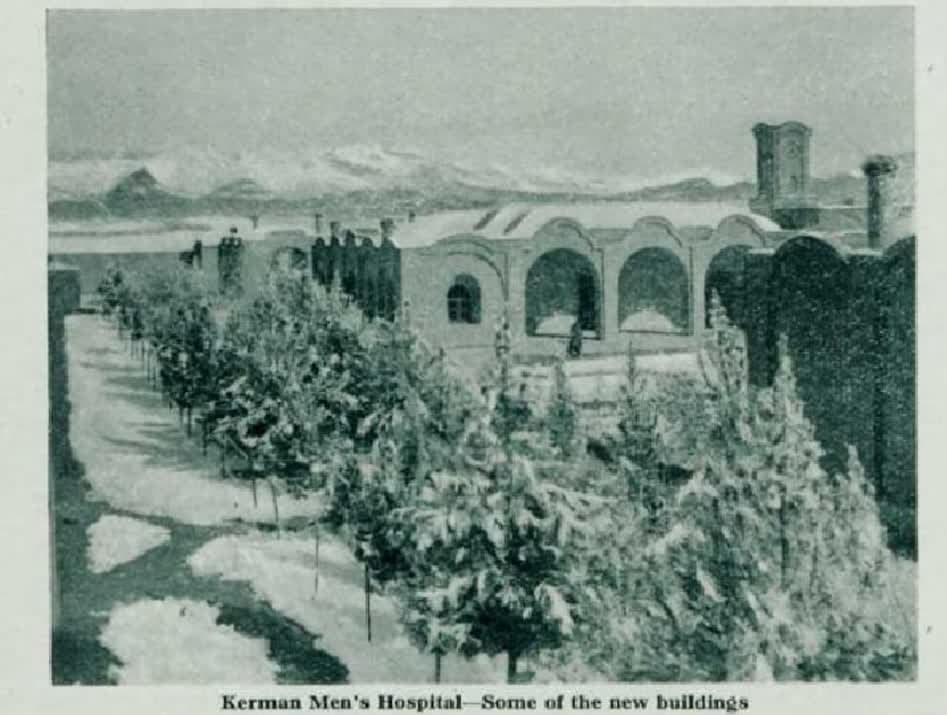
Figure 1. The male ward of the new building of the Mission Hospital in Kerman (Manuscript No. 391, 1930)
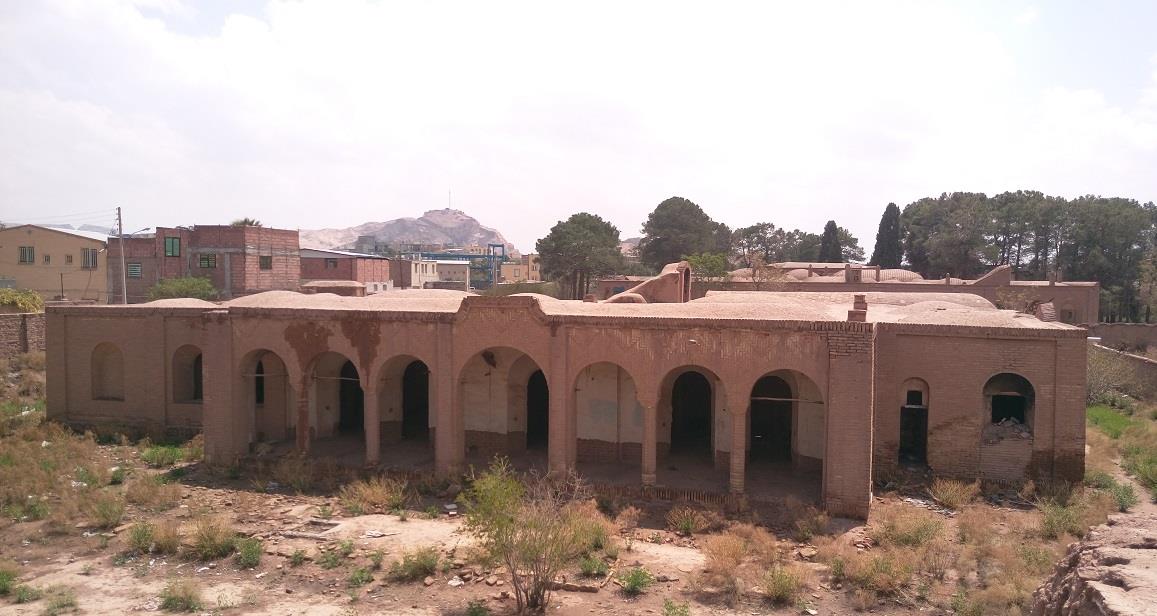
Figure 2. Northern view of Merselin Hospital, Kerman (Photo is taken by the author)
In the 1920s (1300s SH), this hospital expanded and modernized through funding and donated land from the townspeople. It was equipped with an X-ray machine, ordered from London at the people’s request and funded by the Shams Spinning Company (Figure 3). The device was exempted from all customs duties (Figure 4).
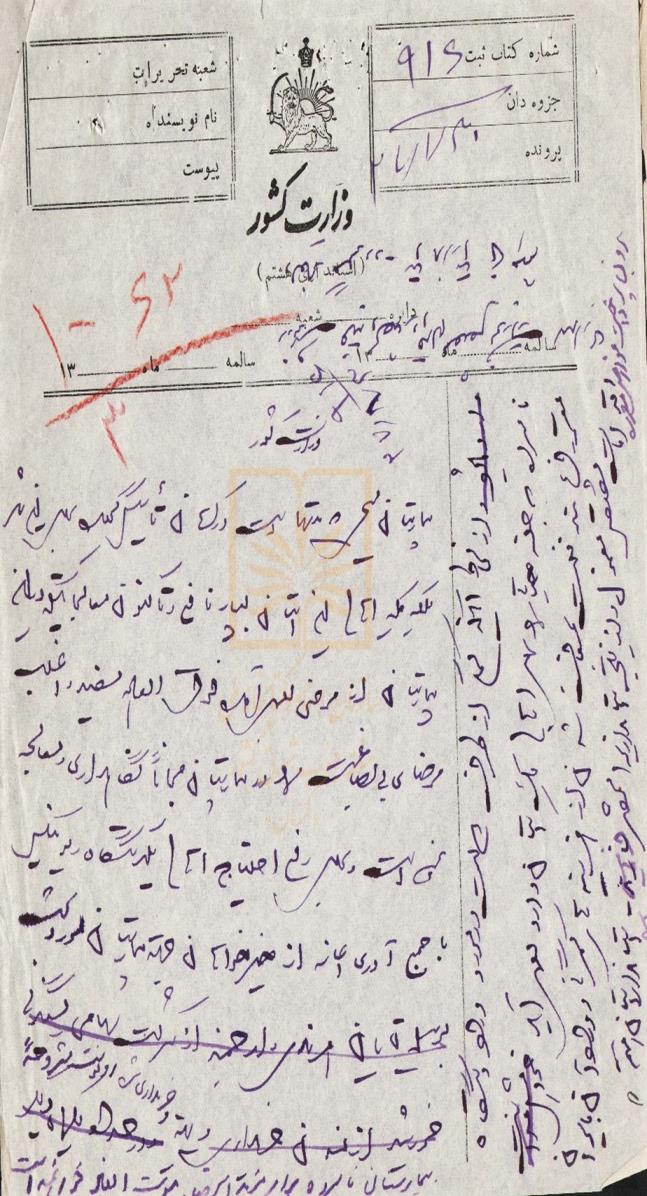
Figure 3. Document No. 1 (Manuscript No. 99/293/4561, 1948, p. 3)
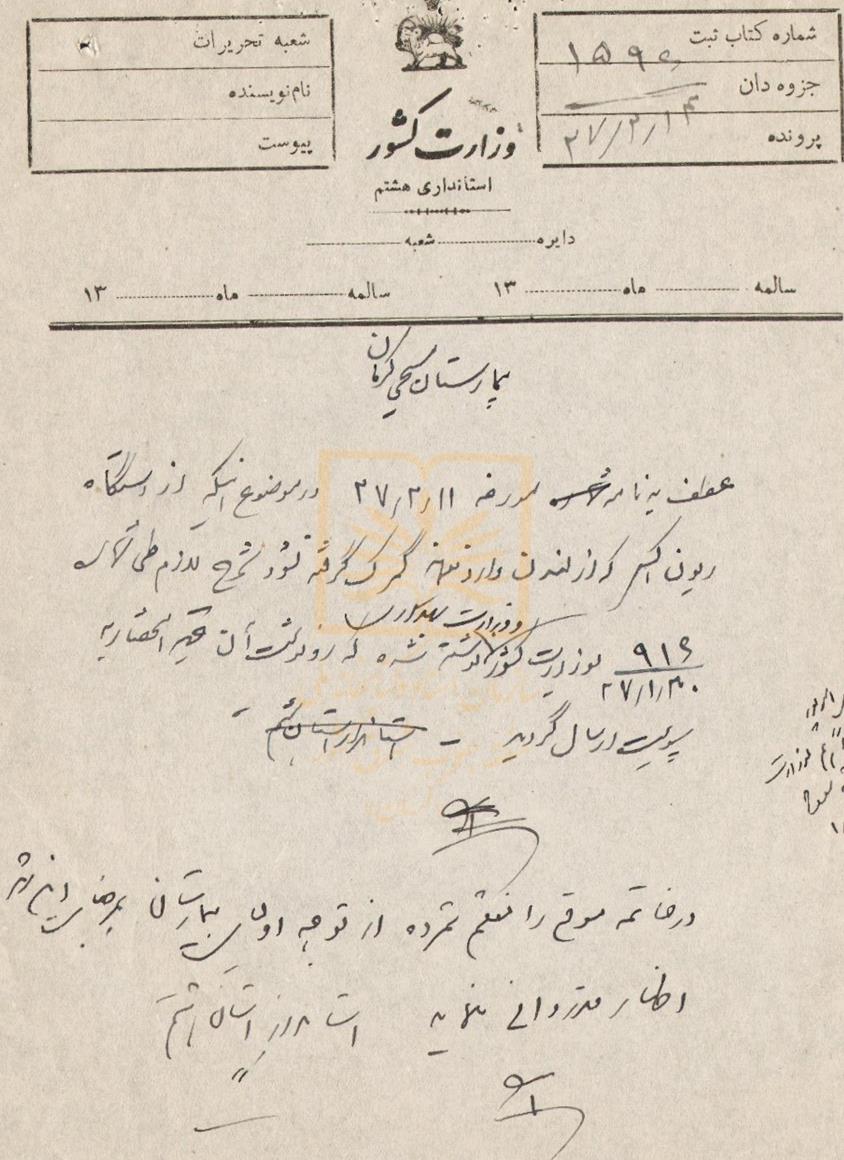
Figure 4. Document No. 2 (Manuscript No. 99/293/4561, 1948, p. 4)
Dr. Shafter arranged for the X-ray machine to be transported from Bandar Abbas, located 480 kilometers from Kerman. Interestingly, the oil company did not use its oil tanker trucks for the transfer. Instead, six porters carried the large wooden box containing the machine on their shoulders to Kerman. Bringing this device to Kerman was a valuable contribution to healthcare and a significant honor for the Mission Hospital and the Church Missionary Society (Smith, 1990, p. 115). This machine proved extremely useful and effective in diagnosing skeletal conditions and treating rickets in patients.
1 Along with Mr. Carless, Mrs. Aideniantz, a missionary of the association, also came to Kerman (Bird, 1908, p. 37).
2 Around the same time, Bahjat al-Mulk, the governor of Kerman, established a hospital for the poor (Floor, 2014, p. 69).
3 Dr. Dodson took charge of the Kerman Hospital in 1903 (Manuscript No. 476, 1937, p. 222).
Discussion
Medical Actions by the Society and the Treatment of Rickets in Child Weavers
The economic livelihood of the city of Kerman was heavily dependent on the carpet-weaving industry. Workshops in Kerman brought great renown to the city, as their products were exported abroad, and nearly everyone was directly or indirectly reliant on them. This industry also brought foreign currency into Kerman (Kamali, 2013, p. 161). This region of Iran has long been one of the country’s major centers of carpet weaving, with the history of carpet production in Kerman tracing back centuries, even before the Safavid era (Mousa-Nejad Khabisi, 2021, p. 131). Despite Kerman’s reputation for carpet weaving, the production of this valuable product took place under deplorable conditions, which led to the spread of rickets among weavers. This disease often causes short stature, bow-leggedness, and pelvic deformities (Figures 5, 6, and 7) (The Church Missionary Outlook, 1929, p. 248; Manuscript No. 476, 1937, p. 221).
A significant portion of the work was performed by pale, frail children; their heads constantly bent over their tasks. The looms were often located in small, crowded, dark, and unhealthy rooms, many of which lacked windows to allow sunlight (Stack, 1882, p. 210). The long working hours, poor nutrition, and prolonged sitting on a wooden plank without a backrest or proper support during their growth years led to bodily deformities, including curvature, softening of the bones, and leg deformities (Figure 8). This issue could later result in severe complications during childbirth (Rice, 2004, p. 187). Additionally, the damp soil in some weaving workshops caused rheumatism in some child weavers (Lorimer, 2020, p. 149)
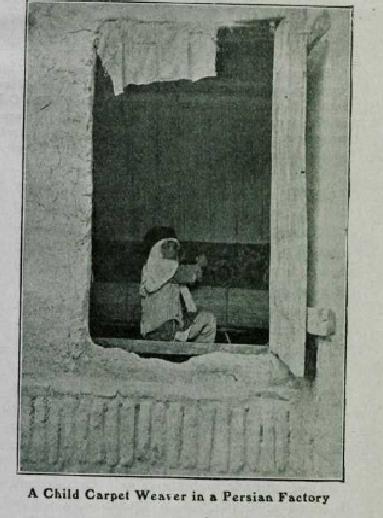
Figure 5. A girl carpet weaver in Kerman. (Manuscript No. 358, 1921)
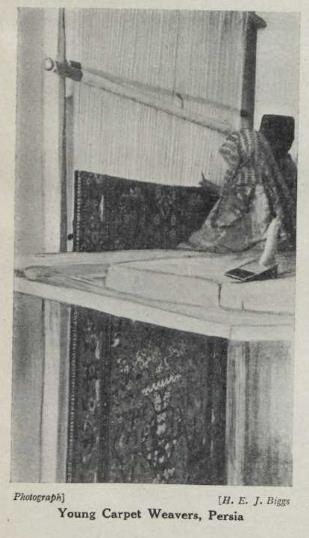
Figure 6. A girl carpet weaver in Kerman. (The Church Missionary Outlook, 1929, p. 248)
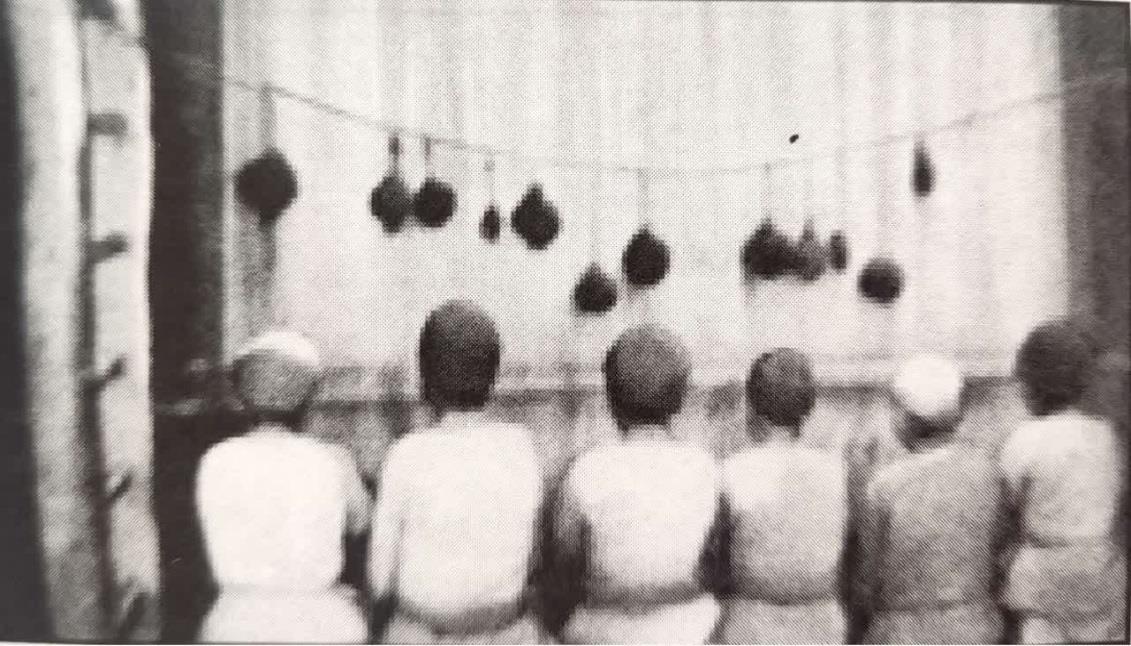
Figure 7. Children weaving carpets (Lander, 2009, p. 498)
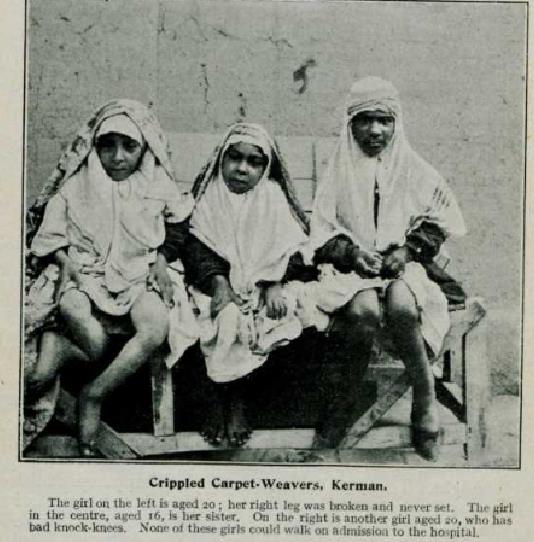
Figure 8. Leg deformities of girl carpet weavers in Kerman. (Manuscript No. 219, 1915, p. 78)
The only way to address these weavers’ conditions was to dig a pit about half a meter deep beneath the carpet loom. This pit, used to collect excess wool and fibers, also functioned as a resting area for weavers, who would hang their legs over the edge or stand within it when tired. (Lorimer, 2020, p. 149).
These girls, as young as 6 or 7 years old, and sometimes even younger, were sold to carpet workshops under 4- or 5-year contracts. They were paid a daily wage of one or two qerans. In winter, they worked 9 hours a day, while in summer, they worked 11 hours. Their lunch consisted of only some dry bread. In winter, they continued working up to three hours after sunset by the light of candles (English, 2011, p. 159).
Entrusting children to the carpet workshops involved exchanging a document between the parents and the master weaver, an “Ajirnameh” or “Ajir Khat.” In other words, the child was contracted for one or several years of service in exchange for a specified amount, paid in cash or in kind (wheat, barley, millet). The employer was also responsible for providing the child with food, clothing, and shelter (Figure 9) (Moradi Kermani, 1988, p. 30).
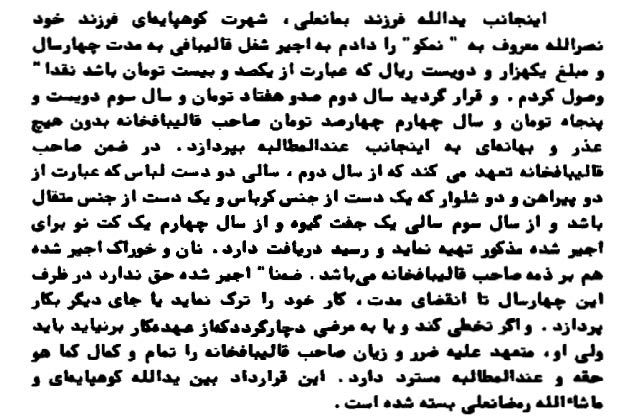
Figure 9. The Ajirnameh of Nasrullah (Nemeku), son of Yadollah Kouhpayei (Moradi Kermani, 1988, p. 30)
The poor conditions in Kerman’s carpet workshops drew the attention of the International Labour Organization at the time. Eventually, the ILO’s follow-up efforts proved effective, leading to the passage of Iran’s first labor law in 1923. The Iranian government ordered the Governor of Kerman and Baluchistan to implement the following decree:
1. The maximum daily work hours for carpet workshop laborers must not exceed eight.
2. Carpet factories must remain closed on Fridays and public holidays, but workers should still receive wages.
3. The minimum age for child laborers is 8 years for boys and 10 years for girls.
4. Separate factories must be established for boys and girls.
5. The design instructor in girls’ workshops must be a woman.
6. Employing workers with contagious diseases is prohibited.
7. Constructing carpet workshops in basements or damp locations is forbidden, and the workshops must have windows facing the sun.
8. Carpet workshops must be raised approximately one cubit above the ground, and the seating areas for children must be elevated to ensure comfort during work.
9. A municipal health officer or doctor must inspect carpet workshops monthly and report any violations to the relevant authorities.
10. Violators of the above provisions must pay a fine of 10 to 50 tomans to the Department of Education to support schools or face imprisonment for 1 to 20 days. (Molayi, and Tahouni, 2023, pp. 246-247). However, this law was only applied to the carpet-weaving industry and only in the Kerman region.
It seems that the conditions in carpet workshops eventually changed, and the harsh circumstances disappeared. In his travelogue, Merit Hawks describes carpet workshops as having adequate light, ventilation, coolness in summer, and warmth in winter. Provisions were made for workers to sit comfortably with their feet resting correctly on the ground. Under such conditions, children did not suffer from rickets, and their well-proportioned bodies remained unaffected (Merritt-Hawkes, 1992, p. 92). Additionally, organized and regulated workshops such as those run by the Eastern Rug Company existed, many of which were directly supervised by European employers (Lorimer, 2020, p. 149). Notably, in the last two decades of the Qajar era, most carpet workshops and a significant portion of Kerman’s production and trade operations were under the direct control and oversight of American and European companies.
The young female carpet weavers, who often married at an early age, faced severe challenges during childbirth. About 75% of them required significant surgical intervention to save their own lives and those of their babies. Since Kerman lacked a well-equipped hospital, maternity ward, and skilled physicians, many mothers died during childbirth. Traditional midwives could not identify pelvic deformities and often ceased efforts during difficult deliveries, leading to the death of both mother and child (Morton, 2007, p. 217). After the establishment of the hospital, the medical staff, particularly Dr. Dodson and his assistants—many of whom were Christian nuns and Armenian Iranians (Golabzadeh and Nikpour, 2019, p. 321) —performed remarkable work. They conducted modern surgeries to save the lives of these mothers and children and to correct the deformities from which they suffered (Figure 10) (Manuscript No. 375, 1929, p. 86).
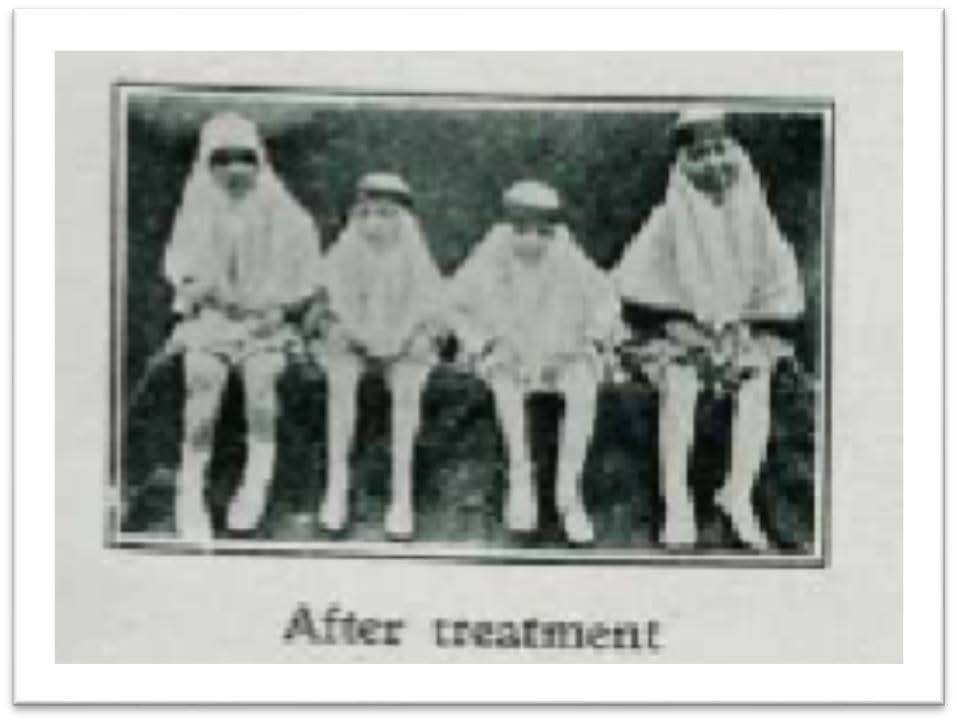
Figure 10. Girl carpet weavers after surgery. (Manuscript No. 445, 1935, p. 1)
They also recounted horrifying stories of young children, women, and girls whose bodies became deformed due to sitting for long hours at the carpet loom (Lorimer, 2020, p. 149).
The hospital managed to treat 47 pregnant weaver women suffering from severe conditions within one year (Morton, 2007, p. 217). However, 28 pregnant women who could not reach the hospital in time lost their babies. Those who did arrive on time were able to deliver their babies through the well-known “Caesarean” procedure, resulting in the safe birth of 19 babies (Rice, 2004, pp. 187-198).
The hospital, as part of its medical services, examined 38 child carpet weavers, 36 of whom showed physical deformities Manuscript No. 531, 1918, p. 51). Additionally, 19 girls underwent leg surgeries and regained health (Rice, 2004, p. 187). Nine paralyzed girls were also hospitalized for an extended period (Figure 11), and, after weeks of treatment and proper nutrition, recovered their health (Manuscript No. 194, 1904, p. 7). Leg surgeries provided a significant opportunity for extensive Gospel teaching to children (Manuscript No. 195, 1913, p. 71). Mrs. Robinson wrote about one of the patients: “At around the age of thirteen, her legs were operated on. During her hospitalization, she was first introduced to Christianity. After months of preaching, she was baptized. Years later, when she got married, she returned to the hospital to deliver her baby via cesarean section. Her baby was a boy, and the missionaries suggested baptizing him…” (Manuscript No. 47, 1937, p. 124).
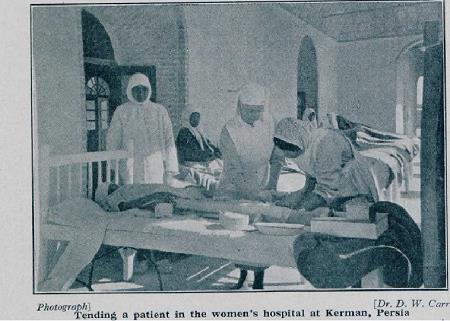
Figure 11. A patient with a “leg” condition, women’s surgery ward, Morsalin Hospital. (Manuscript No. 43, 1933)
After the association’s doctors began attending childbirths, routine deliveries in the city center were handled primarily by Miss Stratton, Mrs. Robinson, and their assistants. Patients were referred to the hospital only in abnormal cases (Manuscript No. 307, 1923, p. 221). Recognizing the midwifery team’s skill and expertise in saving the lives of mothers and newborns, the governor of Kerman asked Miss Stratton to organize formal training classes for local midwives (Annual Report of the Church Missionary Society, 1923-1924, p. 110). Another notable female doctor of the association was Emmeline Stewart, whose prominent medical work included treating rickets among Kerman’s carpet-weaving girls, who suffered from severe physical issues and leg bone deformities due to poor working conditions and prolonged sitting on carpets from a young age (Borumand, 2022, p. 34).
Dr. Ironside also made special efforts to treat child carpet weavers, with colleagues highlighting his high skill level and expertise in performing surgeries on patients with deformed bones (Manuscript No. 567, 1921, p. 125). The efforts of the association’s female doctors, who used modern medical methods to treat many women’s diseases, were particularly significant in a society where childbirth conditions and the lack of sanitary facilities endangered the lives of mothers and newborns. Their work saved the lives of countless mothers and children (Moorshead, 1926, p. 131). These doctors’ practical and commendable performance in addressing women’s health and reducing their suffering led to a higher rate of women seeking hospital care than men (Manuscript No. 307, 1923, p. 83).
With public advocacy and the efforts of English doctors, a hospital initiative to address the dire conditions of the carpet-weaving houses led to the formation of a commission chaired by the governor of Kerman at the request of some influential city figures. This commission devised a reform plan for improving hygiene, working hours, wages, food, and recreation for children. It was hoped that the exploitation of children would end, ensuring that weaving beautiful carpets would no longer come at the cost of children’s lives (Rice, 2004, p. 98; Manuscript No. 307, 1923, p. 86).
Doctors began teaching them sewing skills to prevent girls from returning to carpet weaving (Manuscript No. 194, 1904, p. 8). This initiative can be evaluated from several perspectives:
1. Girls distanced themselves from the harsh conditions of carpet weaving and received training in a hospital environment free from hardship.
2. Their attachment to the hospital environment increased their receptivity to Christianity.
3. Evangelism among children was particularly effective, as their innocent minds were free from prejudice (CMS Historical Record, 1945-1946, p. 109).
Another successful procedure at the hospital involved a case of spinal decay, in which Dr. Dodson successfully reconstructed the patient’s spine using a tibial bone graft (Manuscript No. 307, 1923, p. 132). Outpatient surgeries were also routine practices at the hospital (CMS Historical Record, 1951-1952, p. 250) (Figure 12).
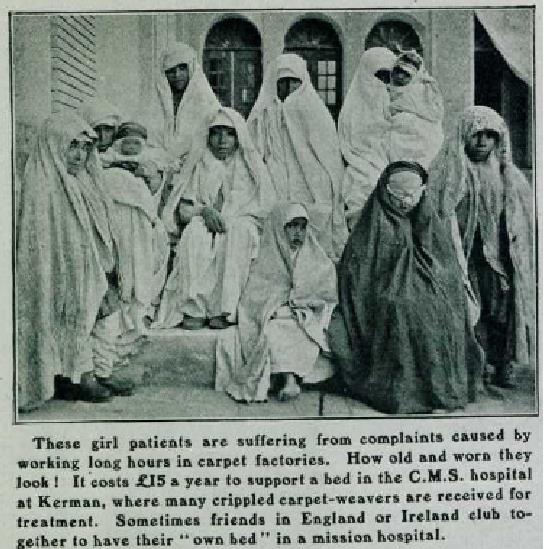
Figure 12. Patients who underwent surgery at Merselin Hospital. (Manuscript No. 358, 1921)
Conclusion
The establishment of hospitals in central and southern cities, which were largely under British control and suffered from a lack of healthcare facilities, was the most effective strategy for advancing the interests of Britain and the Church Missionary Society (CMS). CMS founded the Mission Hospital in Kerman with the support of the British government to promote and spread Christianity in Kerman’s traditional society. Although the hospital did not achieve its initial goal of expanding Christianity, it significantly contributed to treating and improving illnesses using modern medical practices and advanced equipment. One of its most significant achievements was assisting child carpet weavers who often developed rickets due to harsh working conditions. The hospital’s physicians, through surgeries to correct leg deformities—especially among girls whose future childbirth posed life-threatening risks—brought hope for a better life. Performing cesarean sections to save both mothers and their babies was another remarkable achievement. The society also encouraged child weavers to transition from carpet weaving to fabric weaving and garment making. To support this initiative, they established workshops and educational classes. The aim was to alleviate the economic difficulties faced by the children and their families, thereby preventing their return to carpet weaving workshops.
Authors’ Contribution
The authors continuously collaborated and consulted with each other in the conception, data collection, analysis, and interpretation for this study. All authors read and approved the final version of the work.
Funding
None.
Conflict of Interest
None.
References
- Annual Report of the Church Missionary Society, 1923-1924. London: Church Missionary House, Salisbury Square..
- Bird, M., 1908. Persian Women and Their Creed. London: Church Missionary Society, Salisbury Square, E.C..
- Borumand, S., 2002. A Study on the Activities of the Church Missionary Society (C.M.S.) during the Qajar Period. Tehran: Institute for Iranian Contemporary Historical Studies..
- Borumand, S., 2022. The Issue of Self and Other: The Identity Challenge of Victorian Women (Case Study: CMS Women’s Interaction with Women of Qajar Era. The International J of Humanities, 29(3), pp. 25-41..
- CMS Historical Record, 1945-1946. [Manuscript]. Held at: Birmingham: University of Birmingham in the Cadbury Research Library Special Collections..
- CMS Historical Record, 1951-1952. [Manuscript] Held at: Birmingham: University of Birmingham in the Cadbury Research Library Special Collections..
- Diary of visit To Iran and Greece, 1962. [Manuscript] Held at: Birmingham: University of Birmingham in the Cadbury Research Library Special Collections.
- Dodson, G.E., 1940. Dawdson; The doctor. London: The Highway Press..
- English, P.W., 2011. City and Village in Iran: Economy and Settlement in the Kerman Region. Translated by R. Ekhlaspour. Tehran: Tarikh-e-Iran Publishing..
- Floor, W., 2014. Hospitals in Persia during the Safavid and Qajar Eras. Translated by I. Nabipour. Bushehr: Bushehr University of Medical Sciences Press..
- Gentile, C., and Chiarelli, F., 2021. Rickets in Children: An Update. Italy: Department of Pediatrics, University of Chieti..
- Golabzadeh, S.M.A., and Nikpour, M., eds., 2019. The Color of the Desert: Confidential Reports of the British Consulate in Kerman. Translated by Y. Agha Abassi. Kerman: Kerman Studies Center..
- Groot, J., 1977. Kerman in the late nineteenth century: a regional study of society and social change. Oxford: University of Oxford..
- Harrison, T.R., 2018. Harrison’s principles of internal medicine. 21st ed. New York: McGraw Hill Publishing..
- Honarmand Ebrahimi, S., 2013. Early history of Kerman Morsalin Hospital. J Res Hist Med, 2(2), pp. 39-48..
- Kamali, M., 2013. British Parliamentary Documents. Baharestan Documents, 5, pp. 353-378..
- Lander, A.H.S., 2009. The Political, Social, Cultural, Economic, and Commercial Situation of Persia on the Eve of the Constitutional Revolution. Translated by A.A. Abdolrashidi. Tehran: Ettelaat Publishing..
- Lorimer, O., 2020. Letters from Dublin to Kerman. Translated by M. Ghayed. Tehran: Kalagh Publishing..
- Malekmohammadi, M., 2013. The History of Medicine in Kerman. Kerman: Gara Publishing..
- Manuscript No. 163, 1910. Mercy and Truth. [Manuscript]. Vol. 14. Held at: Birmingham: University of Birmingham in the Cadbury Research Library Special Collections..
- Manuscript No. 194, 1904. A Quarterly Token for Juvenile Subscribers. [Manuscript]. Held at: Birmingham: University of Birmingham in the Cadbury Research Library Special Collections..
- Manuscript No. 195, 1913. Mercy and Truth. [Manuscript]. Vol. 17. Held at: Birmingham: University of Birmingham in the Cadbury Research Library Special Collections..
- Manuscript No. 206, 1914. Mercy and Truth. [Manuscript]. Vol. 18. Held at: Birmingham: University of Birmingham in the Cadbury Research Library Special Collections..
- Manuscript No. 219, 1915. Mercy and Truth. [Manuscript]. Vol. 19. Held at: University of Birmingham in the Cadbury Research Library Special Collections..
- Manuscript No. 307, 1923. The Mission Hospital. [Manuscript]. Vol. 27. Held at: Birmingham: University of Birmingham in the Cadbury Research Library Special Collections..
- Manuscript No. 358, 1921. CMS Awake. [Manuscript]. Vol. 31. Held at: Birmingham: University of Birmingham in the Cadbury Research Library Special Collections..
- Manuscript No. 375, 1929. The Mission Hospital. [Manuscript]. Vol. 33. Held at: Birmingham: University of Birmingham in the Cadbury Research Library Special Collections..
- Manuscript No. 377, 1905. The Church Missionary Gleaner. [Manuscript]. Vol. 32. Held at: Birmingham: University of Birmingham in the Cadbury Research Library Special Collections..
- Manuscript No. 391, 1930. The Mission Hospital. [Manuscript]. Vol. 34. Held at: Birmingham: University of Birmingham in the Cadbury Research Library Special Collections..
- Manuscript No. 43, 1933. Eastward Ho! [Manuscript]. Held at: Birmingham: University of Birmingham in the Cadbury Research Library Special Collections..
- Manuscript No. 445, 1935. The Mission Hospital. [Manuscript]. Vol. 39. Held at: Birmingham: University of Birmingham in the Cadbury Research Library Special Collections..
- Manuscript No. 47, 1937. Eastward Ho! [Manuscript]. Held at: Birmingham: University of Birmingham in the Cadbury Research Library Special Collections..
- Manuscript No. 476, 1937. The Mission Hospital. [Manuscript]. Vol. 41. Held at: Birmingham: University of Birmingham in the Cadbury Research Library Special Collections..
- Manuscript No. 531, 1918. The Church Missionary Gleaner. [Manuscript]. Vol. 45. Held at: Birmingham: University of Birmingham in the Cadbury Research Library Special Collections..
- Manuscript No. 567, 1921. The Church Missionary Gleaner. [Manuscript]. Vol. 48. Held at: Birmingham: University of Birmingham in the Cadbury Research Library Special Collections..
- Manuscript No. 61, 1902. Mercy and Truth. [Manuscript]. Vol. 6. Held at: Birmingham: University of Birmingham in the Cadbury Research Library Special Collections..
- Manuscript No. 98, 1905. Mercy and Truth. [Manuscript]. Vol. 9. Held at: Birmingham: University of Birmingham in the Cadbury Research Library Special Collections..
- Manuscript No. 99/293/4561, 1948. [Manuscript]. Held at: Tehran: National Archives and Library of Iran (NLAI)..
- Manuscript No. 99/293/5828, 1948. [Manuscript]. Held at: Tehran: National Archives and Library of Iran (NLAI)..
- Manuscript No. 99/293/6004, 1948. [Manuscript]. Held at: Tehran: National Archives and Library of Iran (NLAI).
- Merritt-Hawkes, O.A., 1992. Iran: Myth and Reality. Translated by M.H. Nazarinjad, M.T. Akbari, and A. Namayi. 2nd Ed. Mashhad: Astan Quds Razavi Publications.
- Molayi, M., and Tahouni, P., 2023. Examining the Status and Evolution of the Kerman Carpet Industry during the Qajar Era. Iranian History Journal, 16(1), pp. 229-251.
- Moorshead, R.F., 1926. The Way of the Doctor, A Study in Medical Missions. London: The Carey Press.
- Moradi Kermani, H., 1988. The Children of the Carpet-Weaving House. Tehran: Ketab Sahab.
- Morton, R.S., 2007. A Doctor’s Holiday in Iran. London and New York: Funk and Wagnalls Company..
- Mousa-Nejad Khabisi, H., 2021. The Role of Carpets in Persian Fiction (Case Study: “The Children of the Carpet-Weaving House” by Houshang Moradi Kermani). Scientific Biannual Rajshomar, 2(1), pp. 127-141.
- Nikpour, M., and Ghafari-Nejad, A., 1998. The Medical History of Kerman in Recent Centuries. Kerman. Tehran: Iranian National Archives Organization.
- Pettifor, J.M., Thandrayen, K., and Thacher, T.D., 2018. Vitamin D Deficiency and Nutritional Rickets in Children. Health, Disease and Therapeutics, 2, pp. 179-201.
- Preaching and Healing, 1904-1905. [Manuscript] Held at: Birmingham: University of Birmingham in the Cadbury Research Library Special Collections.
- Qasemi, R., 2009. Health and Medical Services in Iran (1921-1941). Master’s Thesis, supervised by Mohammad Hossein Manzour Al-Ejdaad. Tarbiat Modares University, Tehran.
- Rice, C., 2004. Persian Women and Their Ways of Life. Translated by A. Azad. Tehran: Ketabdar Publishing.
- Serna, C., 1983. People and Rituals in Persia. Translated by A.A. Saeedi. Tehran: Zavar Publishing.
- Smith, A., 1990. The Blind White Fish in Persia. Translated by M. Nabizadeh. Tehran: Gostareh Publishing.
- Stack, E., 1882. Six months in Persia. London: S. Low, Marston, Searle and Rivington..
- Sykes, E.C., 2016. Through Persia on a Side-Saddle. Translated by M.A. Mokhtari Ardakani. Kerman: Kerman Studies Center and Vali Publishing.
- The Church Missionary Outlook, 1929. [Manuscript]. Vol. 56. Held at: Birmingham: University of Birmingham in the Cadbury Research Library Special Collections..


