
Dr. Nafiseh Hosseini Yekta (Figure 1) was the Director General of Persian and Complementary Medicine at the ministry of health and medical education of Iran since 2020 to 2025. She is a medical doctor and Ph.D. of Persian medicine; and works as an assistant professor at Shahid Beheshti University of Medical Sciences.
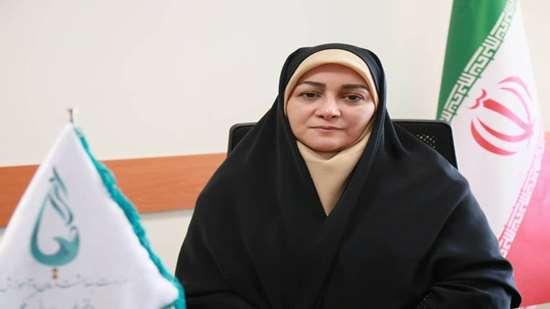
Figure 1. Dr. Nafiseh Hosseini Yekta, Director General of Persian and Complementary Medicine at the ministry of health and medical education of Iran (2020 - 2025)
There were too many achievements in developing Persian medicine and history of medicine during her responsibility. The coverage of Persian medicine services in the 3rd level of health services, in health houses located in rural eras all around the country was done in this time regarding to maximize primary health coverage (PMC). Also, there were 7 standards of Persian medicine services were edited and issued in 2021 and 2022. Insurance coverage for Persian medicine medical services was expanded; and regulations for Persian medicine consulting services in hospitals were developed and announced.
Research on Persian and complementary medicine was developed in this period. According to Scimago, Iran reaches to the 4th place in publication in the field of “Complementary and Alternative Medicine” in 2020 and it has maintained this position until this year, annually, which has been Iran's best position so far.
The development of Persian medicine in the international arena can perhaps be considered one of the most important achievements of her tenure. In 2024, Dr. Sungchol Kim, head, unit of Traditional, Complementary and Integrative Medicine at headquarter of World Health Organization (WHO) came to Iran (Tehran) to attend in International Symposium on Policy, Legal and Regulation Landscape on Traditional and Complementary Medicine, where many researchers, policymakers and professors from all around the world contributed to it in-person or online. Iran plays a great role in WHO projects like ICD11-TM2, IHP, AI & TM, etc. The presence of her vice for international affairs (Dr. Arman Zargaran) among the 20-members expert committee for developing the draft of WHO Global Traditional Medicine Strategy (2025-2034) is an important indication of the importance of Iran's international position in traditional medicine in writing the highest priority global policy document on traditional medicine. Also, Iran joined to WHO-International Regulatory Collaboration for Herbal Medicine (IRCH) since 2020. On the other hand, the relations between Iran and other countries like India, China, Thailand, South Korea, Turkieh, Indonesia, Uzbekistan, Austria, etc. were significantly increased in the fields of Traditional medicine and medical history, by signing MoUs, holding joint events, research and educational collaborations.
Ultimately, the period of the Dr. Hosseini Yekta's tenure in charge of Persian and Complementary medicine in Iran can be considered a successful period of scientific development and services of Persian medicine.
Funding
None.
Conflict of Interest
None.

