
Introduction
The word surgery is derived from the Greek word kheirourgia, which is split into two words: kheir, meaning hand, and ergon, meaning work, and refers to the science of the treatment using hands (Khosravi, et al. 2021, p. 286; Tarkowski, 2019, p. 837). According to the Institute of Surgical Technology, the history of surgery dates from 400 to 2000 BC and includes a variety of surgical advances by physicians in all medical schools (Frey, 2014, p. 5). However, one of the most critical periods of surgical flourishing included in the Institute of Surgery list was from 500 to 1500 AD, when many great physicians and surgeons lived. Albucasis (936-1013 AD) is one of these physicians (Mariotti, Jannini, and Martino, 2022, p. 469). His famous book is Al-Tasrif li-man ajaza’an al-ta’lif (Al-Tasrif) (The Clearance of Medical Science for those who cannot compile it), which summarizes fifty years of his education and training in teaching, practice, and experience. This book is written in thirty volumes covering various aspects of medicine, and volume thirty is dedicated to surgery and its tools (Pekesen, 2021, p. 83). He excelled in surgery and used many surgical techniques for various physical problems (Asaad et al. 2019, p. 611). He founded stone-breaking (Abdel-Halim, et al., 2003, p. 1283; Changizi Ashtiyani, and Cyrus, 2010, p. 106). Albucasis emphasized that the patient should not be harmed physically or mentally during the surgery. In this regard, a tool called Mokhdea was introduced in three sizes: large, small, and medium. It was designed as a hidden blade, attached to a handle in two curved sheets, so that the desired exit of the edge into the outside was possible (Albucasis, n.d). The Mokhdea was one of the most innovative inventions, aiding surgeons in performing safer and more comfortable operations (Ahmadi, et al., 2013, p. 22).
In addition to the term “Mokhdea”, he introduced a related term with a similar application to the medical field: “Mil Nahan.” However, whereas “Mokhdea” gained significant traction, “Mil Nahan” did not achieve the same level of recognition. Consequently, to determine whether “Mil Nahan” is equivalent to “Mokhdea,” a broader description of the former is required. Addressing this question is essential, as it involves examining the physical characteristics and applications of both terms—a focus that will be reviewed in this research.
Methods
This study is analytical-comparative research examining the features and applications of two surgical tools, the Mokhdea and Mil Nahan. The primary objective of this research is to identify the similarities and differences between these two instruments in the field of surgery.
In the first phase, the analysis focused on medical texts from Islamic civilization. The main sources utilized included Al-Tasrif Liman Ajz Al-Talef, Cerrahiyye-i Ilhaniyye (Imperial Surgery), and sections related to surgery from other medical texts of this civilization. Following the initial reviews, additional sources such as Baḥr al-Jawāhir, Akbari Medicine, and The Great Elixir were incorporated into the research resources. The content analysis at this stage involved examining the descriptions of surgical instruments and the characteristics of both Mokhdea and Mil Nahan, carefully considering their definitions and features.
In the second phase, data were collected from contemporary databases. We conducted research into reputable databases including Scopus, PubMed, and ScienceDirect, as well as searching among engines such as Google Scholar, using the keywords: Mokhdea, Mil Nahan, history of surgery, Persian Medicine, and Albucasis. Relevant data and articles on the characteristics and applications of the two tools were then gathered and extracted. The third phase involved a comparative analysis. In this stage, the features of the Mokhdea and Mil Nahan were first analyzed individually and then compared, drawing on the collected data to identify and evaluate the similarities and differences in their design, application, and historical context. Finally, in the fourth phase, conclusions regarding the similarities and differences between the two instruments were drawn based on the analysis and comparison.
The Historical Evidence of the Use of the Words Mokhdea and Mil Nahan
Mokhdea
Three critical references can be made to Mokhdea:
A. In the book Albucasis, the term Mokhdea refers to the types of instruments used to split and pierce inflammations, wounds, and sacs. “Mokhdea, medium and small, is made of copper like the crimson rod that catches the eye. Its one end is wide and looks like a two-tiered spoon in which a knife blade is hidden, and like the tongue of a bird, according to the surgeon’s desire, goes back” (Albucasis, n.d.). (Figure 1)
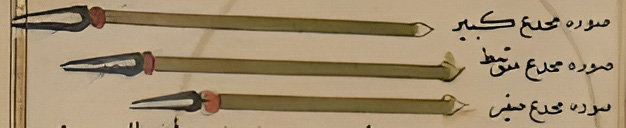
Figure 1. Image of Mokhdea surgical instrument used by Albucasis in the book Al-Tasrif (Albucasis, n.d.)
B. Serefeddin Sabuncuoglu (1385–1468 AD) was a prominent Ottoman Turkish surgeon and the author of the first Turkish surgery textbook, Cerrahiyye-i Ilhaniyye (Imperial Surgery) (Cikmaz, and Mesut, 2020, p. 361). In his book, inspired by Possession, he called Mokhdea a wide razor in the instrument of desire (Figure 2) (Sabuncuoglu, n.d.).
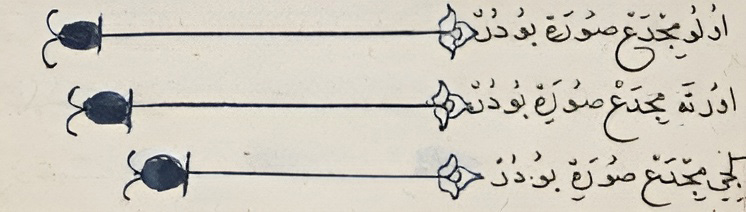
Figure 2. Image of Mokhdea surgical instrument in Serefeddin Sabuncuoglu’s patriarchal surgery (Sabuncuoglu, n.d.)
Mil Nahan
In the description of Mil Nahan, the following references can also be mentioned:
A. In the book Sharh al-Asbab Va Allamat, written by Awad Kermani, a physician (1485-1409 AD) in the treatment of diphtheria disease, Mil Nahan is described as follows:
“With a sharp-edged instrument, the head of which is sharp and hidden inside a tubular penis, and it is called ‘Mil Nahan,’ the inflammation inside the throat is opened to remove pus, and in the same book in the treatment of inflammation caused by diphtheria, if possible, open the inflammation withMil Nahan”. (Iskandar, 1972, p. 451).
B. The book Bahr al-Jawahir mujaman mukhtalifan lil-tabib (Harawi, 1963) is written by Muhammad Ibn Yusuf Harawi (1531 AD), the physician of Herat. It is a comprehensive dictionary of medical words in Arabic and Persian. It describes the phrase Mil as: “Physicians and the latent desire” (Khosravi, et al. 2021, p. 286).
C. The book Greatest Elixir (Exir Azam) was written by Mohammad Azam Khan Nazem Jahan (died 1901) (Azam Khan, 1869), a Persian- Indian physician who wrote all his books in Persian. His writings are the most cited sources of traditional Persian medicine (Khosravi, et al. 2021, p. 286). In the treatment of vaginal agenesis, it is stated that: “Cut the hemorrhoids with a wide flat knife-likeMil Nahan.” (Mariotti, Jannini, and Martino, 2022, p. 469).
Deductive Reasoning
Based on the similarities between the two instruments, it can be concluded that the use of Mokhdea and Mil Nahan is practically the same. This is documented in section 30 of the book of Al-Taṣrīf, known in English as The Method of Medicine, and in the books of Ilkhanid surgery, Sharḥ al-asbāb VA-al-’alāmāt (explanation of causes and signs), Bahr al-jawahir (sea jewels), Akbari medicine and Exir Azam (a comprehensive medical encyclopedia) for the word Mil Nahan. The reasons for this conclusion are the following:
A. Both terms are described in terms of the use of splitting and piercing. In the second chapter of Albucasis’s book Al-Tasrif, which is dedicated to describing instruments for splitting and piercing, the Mokhdea is introduced for this purpose. Similarly, in the book Sharh al-Asbab wa al-Alamat (Explanation of Causes and Signs), the Mil Nahan is described as a tool used to split swellings and inflammations.
B. Both are similar to desire: in the book Al-Tasrif, Mokhdea is likened to the desire of the eye, and in the book of descriptions of objects and signs at the beginning of the definition of Mil Nahan, it is referred to as a desire, and also in the book of jewels, it is described as a tool similar to Mill which is referred to as Mil Nahan.
C. It is hidden in both blades of the knife: In the book of Al-Tasrif, in the description of Mokhdea, it is mentioned that the edge of the knife is hidden in the shaft, and in the book of the definition of objects and signs, it is mentioned in the description of the word Mil Nahan that the blade of the knife is hidden in a tool like a pipe. And also, in the book The Great Elixir, in the treatment of Vaginal agenesis, a knife is mentioned that, like Mil Nahan, has a hidden wide blade.
Discussion
Protecting patients’ rights, observing medical ethics, and reducing patient stress have been considered in various fields of medicine since ancient times. Historical evidence suggests that surgeons sometimes kept certain surgical tools out of the patient’s sight during procedures to reduce anxiety and uphold ethical practice (Panici et al., 2011, p. 45). In addition to Mil Nahan and Mokhdea, other surgical instruments were used for the same purpose in surgery. In the “Vaginal agenesis” treatment, Avicenna cut the peritoneum with a hidden knife and then pulled out the extra flesh (Pekesen 2021, p. 18, 83; Sabuncuoglu n.d.). This secret knife used by Avicenna is probably the same as Mil Nahan, for which no name was chosen at that time. (Avicenna, 2009) Evidence of this claim is documented by the sage Mohammad Azam Khan, the world’s director in the treatment of vaginal agenesis, who wrote: “Cut the appendix with a hidden wide knife-likeMil Nahan.” This shows that the contemporary sage Albucasis was familiar with Mil Nahan and Mokhdea and they were used in surgeries (Mariotti, Jannini, and Martino, 2022, p. 469; Sabuncuoglu, n.d.).
In addition to Mokhdea used in surgery, Albucasis used another secret knife. He hid a knife between his fingers when the swelling and dimples were torn so the patient could not see it (Figure 3) (Albucasis, n.d.; Khosravi, et al. 2021, p. 286). The history of medical science shows that many advances, innovations, and creations have been rooted in the opinions of various sages and physicians for centuries (Shamsi, Haghverdi, and Changizi Ashtiyani, 2014, p. 278; Changizi Ashtiyani, Shamsi, and Cyrus, 2013, p. 633). The comparison between the two books, Al-Tasrif and Cerrahiyye-i Ilhaniyye, reveals that both books discuss surgical topics and elaborate on practical techniques in detail. Additionally, the correlation between these two texts indicates that the number of chapters and the content of Cerrahiyye-i Ilhaniyye represent a broad derivation and translation of the methods outlined by Albucasis in Al-Tasrif. However, the more transparent and technically precise illustrations in the surgical manuscript by Serefeddin Sabuncuoglu compared to the often schematic and less detailed drawings in Albucasis’ Al-Tasrif — provided a clearer understanding of surgical instrument design and usage. This advancement in visual documentation marks a significant step in the development of surgical atlases for educational purposes in the medieval Islamic period (Keskinbora, and Ince, 2021). In addition to being safe, it could play an essential role in reducing patients’ stress due to its hidden blade (Ahmadi, et al., 2013, p. 22; Khosravi, et al. 2021, p. 286). The famous French surgeon Jacques Guillemeau (1513-1650 AD), inspired by Albucasis secret knives, invented more evolved specimens to reduce patient stress during surgery. Unlike Albucasis knives, which had no handles or flat handles, his knife had a ring-like handle, and the blade of the knife slid into the copper plate just like the tongue of the Albucasis (Figure 4). (Kirkup, 1983, p. 269; Khosravi, et al. 2021, p. 286).
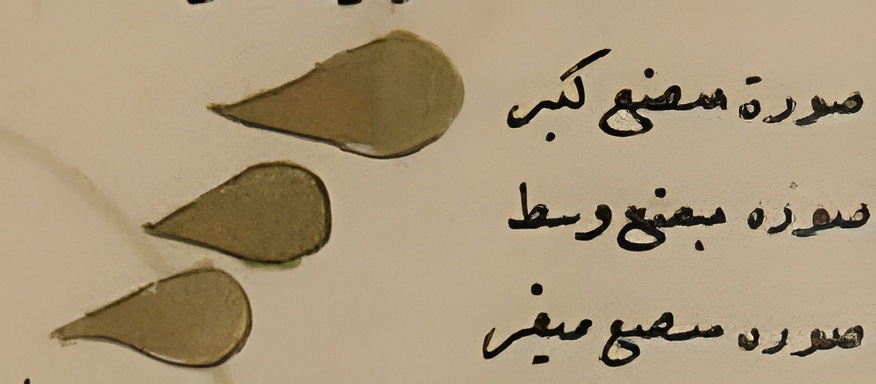
Figure 3. A hidden knife between the fingers Albucasis uses in splitting swelling and dimples (Albucasis, n.d.)
Many knives with flexibility and shrinkage have been patented since 1990, but this knife, named Mokhdea, appeared in the Book of Possession about 1000 years ago. The knife is very easy to work with and protects the surgeon from all kinds of dangers of infectious patients. In addition, the amount of incision can be controlled with great precision (Khosravi, et al. 2021, p. 286).
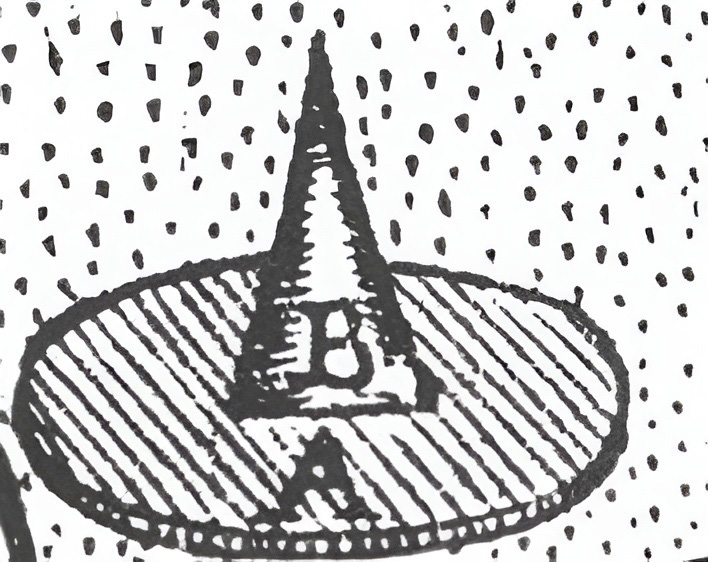
Figure 4. Sample of a more developed Albucasis knife in the sixteenth century by Jacques Guillemeau (Kirkup, 1983, p. 269)
Conclusion
An analytical study of the history of surgery can lead to a greater understanding of surgical instruments, some of which have the same application but differ only in name. An example of these studies is the present study, which found that Mokhdea is similar to Mil Nahan in both appearance and application. However, they are used under two different names throughout medical history. According to these studies, it can be acknowledged that a more accurate and correct knowledge of surgical instruments in the history of medicine and benefiting from the experiences of the ancients can be a clear point for their reconstruction. Native construction and design of a surgical knife with the ability to adjust the size and mobility of the blade due to the different sizes of surgical blades and their various applications for cutting other tissues can practically lead to significant achievement in surgery.
Acknowledgements
The authors would like to thank the Deputy of Research and Technology of Arak University of Medical Sciences for funding this study as a research project, and to the library staff of Arak University of Medical Sciences.
Authors’ Contribution
The study conceptualization and design is done by all authors. Acquisition and interpretation of data is done by all authors. Drafting of the manuscript is done by Azam Khosravi and Saeed Changizi-Ashtiyani. Critical revision of the manuscript for important intellectual content is done by all authors. Administrative, technical, or material support is done by all authors. Study supervision is done by Saeed Changizi-Ashtiyani. Finally, all authors read and approved the final version of the work.
Funding
The Deputy of Research and Technology of Arak University of Medical Sciences financially supported this research. This project is derived from a research proposal with the ethical code IR.ARAKMU.REC.1401.156, approved by the Research Center for Traditional and Complementary Medicine at Arak University of Medical Sciences.
Conflict of Interest
No potential conflict of interest was reported by the authors.
References
- Abdel-Halim, R.E., Altwaijiri, A.S., Elfaqih, S.R., and Mitwalli, A.H., 2003. Extraction of urinary bladder stone as described by Abul-Qasim Khalaf Ibn Abbas Alzahrawi (Albucasis) (325-404 H, 930-1013 AD): A translation of original text and a commentary. Saudi Medical Journal, 24, pp. 1283-1291..PubMed
- Ahmadi, S.A., Zargaran, A., Mehdizadeh, A., and Mortazavi, M.J., 2013. Remanufacturing and evaluation of Al Zahrawi’s surgical instruments, Al Mokhdea as scalpel handle. Galen Medical Journal, 2, pp. 22-25..DOI
- Albucasis, n.d. Al-Tasrif Leman Ajeza an Al-Talif. [Manuscript]. Held at: Haris: Toras.
- Asaad, M., Rajesh, A., Zazo, A., Banuelos, J. and Kaadan, A., 2019. Albucasis: A pioneer plastic surgeon. Annals of Plastic Surgery, 83, pp. 611-617..DOI
- Avicenna, 2009. Al-Qanun fi’l-tibb. In: Ja`far, H. (ed.), Al-Hilal. Beirut: Dar-ol-Behar.
- Azam Khan, H.M., 1869. Exir Azam (Great Elixir). Lucknow, India: Monshi Nou. (Original work published 1810).
- Changizi Ashtiyani, S., and Cyrus, A., 2010. Rhazes, a genius physician in diagnosis and treatment of kidney calculi in medical history. Iranian Journal of Kidney Diseases, 4, pp. 106-110..PubMed
- Changizi Ashtiyani, S., Shamsi, M., and Cyrus, A., 2013. Rhazes, a genius physician in the diagnosis and treatment of nocturnal enuresis in medical history. Iranian Red Crescent Medical Journal, 15, pp. 633-638..DOI
- Cikmaz, S., and Mesut, R., 2020. History of Islamic medical schools in Turkey’s territory. Balkan Medical Journal, 37, pp. 361-370..DOI
- Frey, K., 2014. Surgical technology for the surgical technologist: a positive care approach. Clifton Park, NY: StCHephen Helba.
- Harawi, M.Y., 1963. Bahr al-Jawahir Mujamān Mukhtalifān lil-Ṭabīb (Sea of Jewels: A Diverse Dictionary for the Physician). Bayrūt: Dār al-Mashriq.
- Iskandar, A.Z., 1972. A study of Al-Samarqandī’s medical writings with special emphasis on his book Al-Asbāb wa Al-’alāmāt (Causes and Symptoms), and Al-Kirmānī’s Sharh Al-Asbāb wa Al-’alāmāt (Commentary on Causes and Symptoms). Le Muséon, 3, pp. 451-479..PubMed
- Keskinbora, H.K., and Ince, F., 2021. Are There Similarities Between the Works of Abū al-Qāsim al-Zahrāvī and Serefeddin Sabuncuoglu?. The 2nd International Prof. Dr. Fuat Sezgin Symposium on History of Science in Islam Proceedings Book, pp. 283-296.DOI
- Khosravi, A., Van Hee, R., Changizi-Ashtiyani, S., and Amini, S., 2021. Abu Al Qasim Al Zahrawi (Albucasis) and types of his used surgical knives. Acta Chirurgica Belgica, 121, pp. 286-294..DOI
- Kirkup, J., 1983. The history and evolution of surgical instruments. III. Handles. Annals of the Royal College of Surgeons of England, 65, pp. 269-273..PubMed
- Mariotti, S., Jannini, E.A. and Martino, E., 2022. Hermaphroditism operation in the Charafed-Din’s manuscript (1465). Journal of Endocrinological Investigation, 45, pp. 469-470.
- Panici, P.B., Ruscito, I., Gasparri, M.L., Maffucci, D., Marchese, C., and Bellati, F., 2011. Vaginal reconstruction with the Abbè-McIndoe technique: from dermal grafts to autologous in vitro cultured vaginal tissue transplant. Seminars in Reproductive Medicine, 29, pp. 45-54..DOI
- Pekesen, M., 2021. Abu Al Qasim Al Zahrawi (Albucasis): The father of modern surgery. Health Sciences Quarterly, 1(2), pp. 83-86..DOI
- Sabuncuoğlu, Ş., n.d. Cerrahiyyetü’l-Haniyye. [Manuscript]. No. T 5965. Held at: Istanbul University Rare Works Library, Istanbul, Turkey.
- Shamsi, M., Haghverdi, F. and Changizi Ashtiyani, S., 2014. A brief review of Rhazes, Avicenna, and Jorjani’s views on diagnosis of diseases through urine examination. Iranian Journal of Kidney Diseases, 8, pp. 278-285..PubMed
- Tarkowski, R., 2019. Cancer education in surgery. Journal of Cancer Education, 34, pp. 837-838..DOI


