
Introduction
The encounter of Qajar Iran with the modern world led to the adoption and emulation of various sciences and knowledge, resulting in the establishment of numerous institutions (Mahboubi Ardakani, 1989, p. 1368). Awareness of Iran’s underdevelopment prompted efforts to overcome this issue by incorporating new ideas and reorganizing existing structures. This period also witnessed a novel approach to medicine and public health within the broader social transformations of Iran. In some cases, these transformations accelerated through the establishment of institutions such as the Dar al-Funun school. However, the significant challenges posed by the influence and power of traditional discourses in the face of these nascent reforms often hindered the process of transformation.
The establishment of Dar al-Funun marked a turning point in Iranian social and scientific development, representing a significant historical milestone (Zamani Ganjbakhsh, 2010, p. 146). Following its foundation and the employment of physicians from France, Austria, and Germany, the country’s health system underwent notable transformations. This era is considered a pivotal moment in the history of contemporary Iranian medicine, as it marked the division of Iranian medicine into two distinct periods: traditional and modern. Nevertheless, until the Constitutional Era, the dominant discourse in the healthcare system remained deeply influenced by longstanding customs and traditions (Laleh, and Vafary, 2006, p. 131).
The Qajar rulers, on one hand, and intellectuals, on the other, sought to mitigate the devastating effects of various diseases, particularly cholera, through practical measures and the writing of treatises. Although epidemics posed numerous challenges for political institutions, they simultaneously increased the state’s capacity for intervention. In other words, one of the key factors contributing to the rise of the state was its role as the protector of the political body of the nation. By intervening in public and even private life, the state fostered increasing dependencies. Influential theorists such as Giorgio Agamben (Agamben, 2020: p. 320) have illustrated the concept of the state of exception, which paradoxically becomes a permanent condition, in his book of the same title.
Parallel to the rationalization of politics, society, and the economy through the processes of modernity, the realm of public health was also subsumed under this rationalizing trend. The significant outcomes of this transformation included the promotion of public health, increased birth rates, reduced mortality, and greater life expectancy—alongside enhanced state control over human life. From this period onward, states began to monitor human biological existence closely, establishing a powerful inclination toward extending their authority over human life-worlds (Refer to: Foucault, 2011).
The Qajar state’s approach to pandemics was dualistic and even contradictory. On one hand, traditional medicine, widely practiced and trusted, relied on remedies such as prayers, herbal medicines, and other prescriptions rooted in Islamic and Iranian medical traditions. On the other hand, rational governance necessitated the adoption of modern medical methods to prevent and address the damage caused by widespread disease. The application of modern medicine increased the state’s capacity for intervention in societal affairs, enabling the regime to present itself as the provider of public welfare and benefit. However, this approach also faced resistance from advocates of traditional medicine.
The political institution was thus compelled to strike a delicate balance: maintaining social support while mitigating the socio-economic damage caused by epidemics. To this end, it strategically and simultaneously employed both traditional and modern medical approaches. As previously mentioned, in response to crises caused by epidemics, significant treatises and works were written.
This study aims to analyze and compare four key medical treatises from this period to explore the differences in strategies, methods of diagnosing diseases, and approaches to treatment. Through this comparison, we seek to understand how the Qajar state employed discursive practices to manage public health crises and reconstruct medical knowledge during the Naseri era.
A Brief Overview of the Manuscripts Used
To provide a clearer context for this study, a brief overview of the four manuscripts analyzed is offered here. These manuscripts, all written during the Qajar period under the reign of Naser al-Din Shah, represent a spectrum of medical discourses prevalent at the time and offer valuable insights into the state’s strategies during the cholera epidemics. Each manuscript reflects distinct approaches to understanding and addressing cholera, ranging from modern scientific methods influenced by Western medicine to traditional practices rooted in Iranian-Islamic traditions.
1- A Treatise on Cholera (1846)
Translated from French into Persian by Mohammad Hossein Qajar during the reign of Mohammad Shah Qajar, this manuscript is an early example of the introduction of modern medical knowledge into Iran. Compiled in 1846 AD (1262 AH), it draws on empirical observations and European medical practices to explain the nature, symptoms, and treatment of cholera. Its significance lies in its role as a bridge between foreign medical advancements and local contexts, reflecting the initial stages of medical modernization in Iran.
2- Treatise on the Treatment of Cholera (1852)
Authored by Mohammad Hossein Afshar, a student of Dar al-Funun under the supervision of Dr. Polak, this treatise was written in 1852 AD (1269 AH) during a cholera outbreak in Azerbaijan. Comprising nine chapters, it adopts a systematic and scientific approach, categorizing cholera into three degrees of severity and offering detailed preventive and therapeutic measures. This manuscript exemplifies the influence of Dar al-Funun and European medical training on Iranian practitioners, highlighting the growing acceptance of modern medicine.
3- The Cholera Booklet (1892)
Commissioned by Shahzada Abd al-Hossein Mirza Farman Farma, governor of Kerman, and written by Mirza Mahmood Khan Doctor in 1892 AD (1310 AH), this booklet was designed as a practical guide for the public during a widespread cholera outbreak. Its author, likely trained in modern medicine, incorporates Western findings—such as quarantine and sanitation practices—while emphasizing accessibility for Persian readers. The manuscript underscores the state’s effort to disseminate modern medical knowledge to a broader audience amidst a public health crisis.
4- The Treatise on Solving the Riddle, on the Customs of the Onset of the Plague (1875)
Written in 1875 AD (1292 AH) by Haq-Nazr Hakim Bashi, a traditional physician, this treatise stands apart for its reliance on Iranian-Islamic medical traditions. It attributes cholera (referred to as plague) to celestial influences and the imbalance of bodily humors, prescribing remedies like herbal treatments and prayers. Its traditional perspective offers a counterpoint to the modernizing trends of the era, illustrating the persistence of indigenous medical practices supported by religious and cultural beliefs.
The study draws on four manuscripts from the National Library and Archives of Iran, chosen for their diverse authorship, methodologies, and historical contexts. Together, they offer a comprehensive view of the Qajar state’s response to cholera epidemics, which involved the strategic integration of modern and traditional medical discourses. A detailed analysis of these manuscripts is provided in the sections that follow.
Method of Analysis
Before addressing the method of analysis, we pose this question: Can examining the nature, structure, and function of the state determine its strategies for confronting crises? This question constitutes a crucial focal point for addressing the central issue of this research. Theories of the state (Refer to Vincent, 1992) posit that the behavior of governments is contingent upon their nature. In other words, understanding the behavior of a totalitarian state versus a democratic state hinges on analyzing its structure and type.
Michel Foucault, through the concept of governmentality, conceptualizes the state as a multi-temporal phenomenon, comprised of various political techniques drawn from different styles. From this perspective, governmentality replaces an essentialist and teleological approach to the state (Abbasi, et al., 2022, p. 183). Foucault, by employing the governmentality framework, focuses less on the origins and legal structure of the state and more on examining the conduct of conduct, technologies of governance, and governmental systems. According to Foucault, the state does not exist as a singular entity; rather, there are always techniques of governance that are coordinated and designed by governmental rationalities (Yahyavi, 2017, p. 7).
This conceptual framework was first introduced by Foucault in 1978 and refers to the study of the techniques, processes, and approaches through which states regulate all aspects of citizens’ lives. Within this framework, the spatial dimensions of culture and existing social relationships can be considered outcomes of the performance of political-historical authority at specific moments in history, shaped within political-social discourse (Lashkari Tafreshi, 2020, p. 334).
Governmentality can thus be understood as the methods through which rulers implement policies to cultivate normative citizens. This concept encompasses the organization of mentalities, rationalities, techniques, and institutions through which individuals are governed. Foucault views governmentality as the method of guiding human behavior and as a network through which power relations can be analyzed, encompassing any changes in the instruments, objects, and goals of power.
For Foucault, governmentality is closely linked to the genealogy of the modern state. Genealogy initially approaches the state not as a collection of institutions or as a fixed system but as a means of analyzing the techniques and tactics through which the modern state emerges, producing a complex form of power (Smart, 2006, p. 185). As a result, Foucault seeks to understand the history and existence of the state at the level of specific arts, techniques, and rationalities, which are combined in different ways at different times to render the state thinkable and meaningful as a stable framework for guiding human behavior. In this sense, governmentality examines the conditions under which the modern state becomes possible.
If Foucault’s focus is on the will to govern (Kasraei, 2011, p. 1), the key question becomes: How did the Qajar state’s strategies for addressing the destructive effects of infectious diseases emerge? And how did it operationalize this will by guiding the behavior of individuals within society?
Research Background
Previous studies in the field of the history of medicine in Iran, particularly during the Qajar period, have primarily focused on institutional developments, the introduction of modern medicine, and its conflict or interaction with traditional medicine. Below, some of the relevant studies that form the foundation for this research are highlighted:
One of the key sources in this area is the book History of Modern Civilizational Institutions in Iran by Hossein Mahboubi Ardakani (1989) , which examines institution-building in Qajar Iran, including the establishment of Dar al-Funun and its impact on medical sciences. This work illustrates how Iran’s encounter with the modern world paved the way for the introduction of new knowledge, including modern medicine. Additionally, the article “Health Transformations in the Late Qajar Era (Based on Documents)” by Mohsen Zamani Ganjbakhsh (2010) analyzes changes in the healthcare system during this period, emphasizing the role of institutions like Dar al-Funun and the presence of foreign physicians. This study marks a turning point in the division of Iranian medicine into traditional and modern periods.
In another study, Hayedeh Laleh and Raheleh Vafary, in their article “From the History of Traditional Medicine to Modern Medicine in the Qajar Era” (2006), explore the persistence of traditional influences and resistance to modern medicine. They argue that, prior to the Constitutional Era, the dominant discourse in the healthcare system remained heavily shaped by longstanding customs. This research points to the tension between traditional and modern medicine, aligning with the findings of the present study regarding the simultaneous use of both medical systems.
From a theoretical perspective, the works of Michel Foucault, particularly The Birth of Biopolitics (2011), provide the conceptual framework of governmentality, which is employed in this study to analyze the Qajar state’s strategies. Furthermore, Arash Heydari’s article “Contemporary Iran: Governmentality and the Emergence of the Modern State in Iran” (2019) utilizes the concept of governmentality to investigate how state intervention expanded into social and health affairs, offering a suitable theoretical foundation for this research.
Moreover, historical reports, including those in the Vaqāyeʿ-e Etefāqiyeh newspaper and documents found in the works of Mohammad Hasan Khan E’temad al-Saltaneh (1988) , provide valuable insights into the scope and impact of cholera during the Qajar period. These sources highlight the economic and social dimensions of epidemics and the practical measures the state took to mitigate damage, and they have also been used in the analysis of the manuscripts in this study.
Previous research has largely either focused on the institutional aspects of modern medicine or addressed traditional medicine in isolation. However, the innovation of the present study lies in its comparison of four manuscripts, demonstrating how the Qajar state simultaneously drew upon both medical discourses and adjusted its strategies based on social and political conditions. This dual approach, which considers both the efficacy of modern medicine and the acceptability of traditional medicine, has received relatively little attention in prior studies.
DQajar State Strategies
The Qajar era marks the beginning of Iran’s modern history and the onset of political and social reforms, shaped by internal and external transformations. These include external factors such as wars and subsequent treaties, and internal developments such as the Constitutional Movement and outbreaks of contagious diseases. From a theoretical perspective, the Qajar state’s response to the challenges of backwardness (economic issues) and decline (cultural concerns) is often viewed through the lens of modernization theories. According to these theories, the state must undertake comprehensive reforms across political, social, and economic arenas.
Although political and economic modernization fall outside the scope of this research, the focus lies on medical modernization. As discussed earlier, the Qajar rulers laid the groundwork for medical modernization by establishing new institutions, sending students abroad, and inviting medical experts to Iran. Governance in this period required rational policies to mitigate the damage caused by contagious diseases.
The central issue arises from the Qajar state’s need to balance between two distinct groups:
1. The majority of the population, who adhered to Islamic principles and were institutionally supported by the Shiite clergy.
2. A minority of intellectuals who advocated for widespread structural reforms, particularly in the field of medicine.
Labeling the Qajar state’s strategies as contradictory or paradoxical would undoubtedly be an error. Modernization theories often suffer from a methodological flaw by linking the core issue to the nature and structure of the state rather than to its strategies and approaches in addressing crises and challenges.
A common perception of Qajar governance assumes that authoritarian rulers pursued medical modernization through the forceful introduction of modern medical knowledge, the establishment of healthcare structures, promotion of public education, and employment of foreign specialists. However, the reality was far more nuanced. The political establishment adopted a balanced and context-sensitive approach, carefully considering the beliefs and conditions of the traditional population while advancing modernization efforts (See: Heydari, 2019, pp. 126-148).
In subsequent sections of this study, we will examine in detail the challenges faced by the Qajar state and the corresponding responses, using the governmentality framework, which focuses on the state’s strategies and behaviors in addressing these crises.
A Report on the Cholera Outbreak in Iran during the Naser al-Din Shah Era Based on Contemporary Sources
One of the significant challenges faced by the Qajar government was the annual outbreak of cholera and the severe financial and human costs it incurred. Once cholera spread, it could last for several months and expose the entire country to high mortality rates. For example, according to a report from the Vaqāyeʿ-e Etefāqiyeh newspaper, in 1852 AD, cholera in the city of Isfahan led to the death of 7,895 people within two months. Among the deceased were one of the sons of the governor of Isfahan and several of his servants who succumbed to the disease (Vaqāyeʿ-e Etefāqiyeh Newspaper, 1852-1853, 11th of Dhul-Hijjah, No. 137, p. 3). Two months after the Isfahan cholera outbreak, in Yazd, cholera killed 3,497 people (Vaqāyeʿ-e Etefāqiyeh Newspaper, 1852-1853, 22nd of Safar, No. 147, p. 4). In another example, according to eyewitness reports, in 1880 AD, “cholera caused the death of over 5,000 people, and the large number of corpses prevented the residents from burying them, forcing them to move the bodies to mosques until they could be buried in the summer. Some bodies remained in the streets and became the prey of wild animals, crows, and jackals” (Hedin, 2023 or 2022?, p. 87). The table below shows other instances of cholera outbreaks resulting in deaths in Iran during the Qajar period:
| Year (AD) | Death Toll | Region |
|---|---|---|
| 1821 | All of Iran | 100,000 people (E’temad al-Saltaneh, 1988, p. 1553) |
| 1829 | Tehran | 10,000 people (E’temad al-Saltaneh, 1988, p. 1600) |
| 1830 | Tabriz | 500 people per day (Jahangir Mirza, 2005, p. 144) |
| 1867 | Tehran | 700 people per day (E’temad al-Saltaneh, 1988, p. 1896) |
| 1892 | Tehran | 20,000 people (A’in al-Saltanah, 1895, p. 486) |
| 1892 | Tabriz | 10,000 people (A’in al-Saltanah, 1895, p. 486) |
In addition to the human toll, cholera also caused significant financial losses for the Qajar government. After the outbreak of cholera, the government was compelled to grant tax reductions to the affected populations. For instance, following the cholera outbreak in Urmia in 1852 AD, the government provided a tax reduction of 4,000 tumans in cash and 200 kharwar of goods to the residents of this city (E’temad al-Saltaneh, 1948, p. 1744). In another case, after the cholera outbreak in Azerbaijan, the government forgave the tax of the region, amounting to 20,000 tumans in cash and 2,000 kharwar of goods (E’temad al-Saltaneh, 1948, p. 1745). Additionally, the financial burden of quarantine measures on the government must be taken into account. Another critical aspect of why cholera was so important for the government is its economic impact. With the outbreak of cholera, the prices of goods would rise, and many commodities would become scarce. A report from the Murad Vaqa’i Mufazzari newspaper reflects this concern: “In the second decade of Jumada al-Awwal, cholera broke out in Tehran, and many died daily. As a result, goods from the surrounding areas were not brought to Tehran. Prices in Tehran have risen significantly, and there is a danger that, if a severe famine occurs, the price of eggs in Tehran will reach 300 dinars each, six times its previous value” (Sepehr, vol. 2, pp. 713-714).
Cholera did not discriminate between the rich and the poor; as soon as it spread, it caused the death of a large number of people. For example, during one cholera outbreak in Tehran, Hossein-Ali Mirza, the Faramarza (son of Fath Ali Shah), died of the disease (Khormoji, 1965, p. 34). Similarly, Mirza Isa Farahani, known as Mirza Bozorg, the father of Mirza Abulqasem Khan Qaem-Maqam Farahani, Prime Minister of Mohammad Shah, died in Tabriz from cholera (E’temad al-Saltaneh, 1948, p. 1554).
The Qajar government simultaneously encouraged both Islamic medicine and modern Western medicine to combat cholera. For example, in a report published in the Vaqāyeʿ-e Etefāqiyeh newspaper, the public was encouraged to pray and rely on religion to overcome the plague, while also promoting Western medical recommendations to address the disease:
“Cholera has spread in some neighborhoods of the city , with some people being treated and others perishing. On Monday, the seventh, all the residents of the capital, from young to old, poor and rich, pious and impious, gathered at the sacred prayer ground outside the city, raising their hands in prayer and supplication to the pure souls of the Prophet and the Imams, asking for the removal of this calamity from the Almighty and for the health and preservation of His Majesty the King. The Friday Imam and the congregation of Tehran encouraged people to perform acts of worship, repent for their sins, and give alms to the poor and needy” (Vaqāyeʿ-e Etefāqiyeh Newspaper, 1852-1853, 28th of March, No. 120, p. 1).
The same issue continues: “Sixty or seventy people die daily, and many of the people have left the city, settling in the surrounding villages, particularly in the highlands of Shemiran and other cooler areas. The physicians on the ground have investigated two aspects of this illness: first, that it manifests more in areas with dense populations, and wherever the number of people is higher, its intensity increases. Leaving the city is highly beneficial, as it both alleviates their anxieties and provides, in this spring season, a change of climate suitable for cultivation in the highlands, which is desirable even in non-epidemic periods. Secondly, filth and pollution appear to be responsible for greater loss of life, and people must, as much as possible, eliminate any pollution and bury decaying material immediately. Even butchers and cooks who handle animal intestines and waste should bury them underground. In some cities in Europe where cholera broke out, physicians convened and, after consultation, informed the public of three measures: first, to scatter lime on the streets to neutralize the foul smell of infection; second, to whitewash the walls of rooms and houses with limewater, as the vapor of lime has been proven to purify the air; and third, not to overeat, as the disease spreads more quickly in those with full stomachs, especially if the food consumed is heavy and difficult to digest. People are advised to eat a good, nourishing meal, but they should do so in moderation to avoid feeling hungry later. Also, fear and anxiety greatly affect the progression of the disease, and even someone who has not contracted it may develop symptoms due to excessive fear. In some cities in India where this disease is prevalent, the locals are less fearful because they have learned that if they treat the early symptoms, such as diarrhea, with astringent medicines, they can recover” (Vaqāyeʿ-e Etefāqiyeh Newspaper, 1852-1853, 28th of March, No. 120, pp. 1-2).
Introduction and Examination of the Manuscripts
These four treatises were written during the reign of Naser al-Din Shah Qajar, a period when relations with the West had reached their peak, and scientific medicine was being introduced and propagated by European doctors residing in Iran. During this time, the influence of the Dar al-Funun School cannot be overlooked. Physicians such as Dr. Polak and Dr. Toulouse, who trained Iranian doctors at this school, played a significant role in promoting and expanding modern medicine. Simultaneously, traditional medicine continued to operate alongside modern medicine.
Among the four treatises examined, three were written based on modern medical principles, while one was authored by a traditionalist physician. A notable distinction between these treatises is observed in their content. Modern medicine addresses the origin, treatment, and prevention of cholera based entirely on empirical experience and experimentation. In contrast, traditional medicine provides explanations for the causes and treatment of cholera, relying on verses from the Quran, religious narrations, and the teachings of ancient sages.
1- The First Manuscript: A Treatise on Disease
This treatise was translated from French into Persian by Mohammad Hossein Qajar in 1846 AD, during the reign of Mohammad Shah Qajar. The original name and author of the work are not specified in the manuscript. The translator, who had studied medicine, was sent by Mohammad Shah to the Ottoman Empire. Despite holding a high-ranking position and governmental duties, he learned French. Upon returning to Iran, he obtained this book, which had been provided by Haji Mirza Aqasi, the Prime Minister of Mohammad Shah, to Monsieur Gabriel for translation. He then translated the essential parts and compiled them into a book (A Treatise on Cholera, 1846, pp. 1-3).
The first chapter of the book explains the nature of cholera: “It is a corruption that affects the essence of air. The air here refers to the space between the earth and the sky, a mixture of true air and humid elements that ascend through vapor and particles that rise through smoke and dust...” It further attributes the onset of cholera to inhaling the foul air caused by polluted mines, stagnant waters, spoiled vegetables, and decayed crops, stating: “Cholera affects many susceptible people and animals. The susceptible are those whose bodies are weak and their skin pores open, those who frequently bathe... Cholera is common in areas close to water, and in places with dense population and narrow, low-lying streets, where symptoms of cholera appear” (A Treatise on Cholera, 1846, pp. 3-7).
The treatise also discusses various environmental factors that contribute to the disease and offers preventative measures: “To avoid cholera, one should cleanse the body, moderate the body’s humors, avoid fruits and alcohol, and focus on dry foods. It is advised to avoid all bodily and mental excesses and engage in physical activity. When eating, it is recommended to consume a few drops of olive oil and mint, as they are found to be very beneficial in protecting against the disease” (A Treatise on Cholera, 1846, pp. 7-8). The chapter also briefly lists the symptoms of cholera: “The symptoms of cholera include coldness of the body, internal heat and distress, frequent and foul-smelling breath, intense thirst, and recurrent fainting, along with black bile discharge” (A Treatise on Cholera, 1846, p. 8). (Figures 1 and 2)
The second chapter focuses on different types of cholera. According to Russian physicians and several notable doctors, cholera is divided into three types, each with distinct characteristics: “The first and most severe type involves the closing of blood vessels. It primarily affects individuals aged twenty-five to thirty-five, particularly those of a strong and sanguine constitution.” The symptoms of this type include: “Weak pulse, loss of voice, retention of urine, muscle cramps, and the cessation of milk and tears” (A Treatise on Cholera, 1846, pp. 9-10). To treat this type of cholera, it is recommended to perform bloodletting before the toxic fluids spread throughout the body, and to apply mint, pennyroyal, and incense to the body. English doctors in India are also mentioned, who prescribe opium and a certain type of oil for treatment.
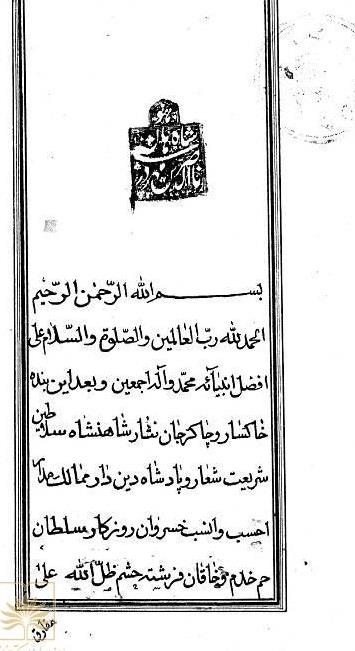
Figure 1. The First Page of the Treatise on Cholera, 1262 AH (1846 AD) (A Treatise on Cholera, 1846, p. 1)
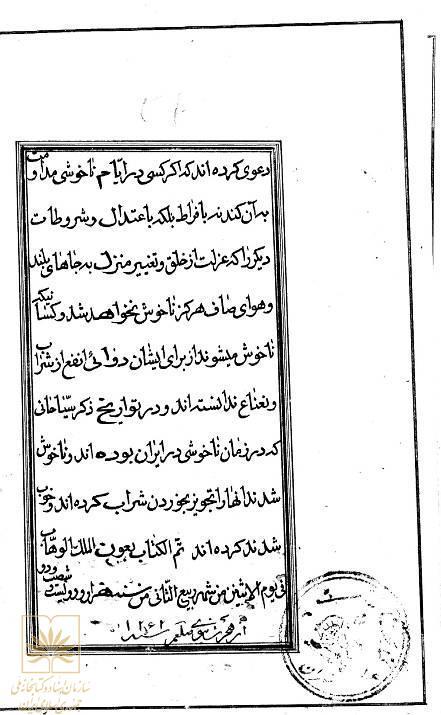
Figure 2. The Final Page of the Treatise on Cholera (A Treatise on Cholera, 1846, p.31)
The second type of cholera is characterized by nervous convulsions and pain. This type mainly affects those who are weak, impoverished, and living in damp and cramped conditions. The symptoms include stomach cramps, nausea, lower abdominal pain, palpitations, a firm pulse, and numbness in the legs, with vomiting and diarrhea being more pronounced. The duration of this type can last up to fifteen days, and its combination with the first type has been reported in Moscow. Treatment for this type involved purging bodily toxins, administering light and nourishing food, altering the patient’s environment, and employing herbs such as mint and other fragrant plants within the home. Renowned physicians recommend the use of purgatives like castor oil and opium (A Treatise on Cholera, 1846, pp. 13-15).
The third type of cholera is described as a disorder related to digestion and the accumulation of waste in the stomach, with symptoms including stomach upheaval, vomiting, skin dryness, and redness, although not as severe as the first type. The manuscript attributes this type of cholera to the consumption of excessive meat, particularly pork and fish, and foods left out in the sun, as well as certain vegetables like garlic, onions, cucumbers, and melons. The treatise suggests that this type of cholera typically occurs in the summer and autumn. Treatment includes giving warm water to flush out impurities, using wine mixed with olive oil and ice to cool the body, and applying cupping glasses to the stomach (A Treatise on Cholera, 1846, pp. 16-17).
In the third chapter, the treatise discusses the views of Hakim Sadlatis on cholera symptoms. This physician, whose background is not elaborated, lists twelve signs of cholera infection: “First, changes in the appearance of the face, without which cholera cannot be diagnosed, even if vomiting, diarrhea, and muscle cramps are present. Second, abnormality in the tongue and throat, especially when the tongue becomes rough, dry, and coated, which indicates the end of the disease, even though cholera may not be present. Third, the lack of urination, milk, and tears, as the presence of these indicates the resolution of the disease” (A Treatise on Cholera, 1846, p. 18).
The fourth chapter outlines Hakim Arne’s opinion on cholera, which he believes is a severe illness that liquefies the body’s fluids, causing them to mix with the stomach and intestines, resulting in vomiting and diarrhea. The fluid initially becomes foul and later becomes phlegmatic or bilious (A Treatise on Cholera, 1846, p. 22).
The final chapter of the treatise discusses various cholera symptoms and treatments that the author believes have been less emphasized. Among these treatments are the use of cold water, astringent fruits, mint mixed with wine, as well as applying cupping glasses to the abdomen, and placing the patient in a cold bath for an extended period (A Treatise on Cholera, 1846, pp. 27-28).
It is unclear to what extent the translator may have altered or omitted parts of the original text. Nevertheless, the manuscript concludes with a passage that seems to reflect the translator’s personal input: “For those who fall ill, no remedy is more effective than wine and mint, as travelers who became ill during cholera outbreaks in Iran have been treated with wine and recovered” (A Treatise on Cholera, 1846, p. 31). This treatise, based on practical experience and modern medical approaches, provides insight into the understanding and treatment of cholera, showcasing the blend of traditional and emerging medical practices during the era.
2- Second Manuscript: Treatise on the Treatment of Cholera
This treatise was written in 1852 AD by one of the students of Dar al-Funun, named Mohammad Hossein Afshar, the son of Mirza Ahmad Hakim Bashi. The treatise was written during an outbreak of cholera in the Azerbaijan province. The author, who was a student of Dr. Polak, organized the treatise into nine chapters. In the first chapter, the author provides a scientific definition of cholera, categorizing the disease into three degrees based on its severity:
“Cholera is a common disease that manifests in the human body through vomiting, diarrhea, and convulsions. This disease can either be strong enough to cause death or weak enough not to lead to death. Three degrees have been defined for this disease...” (Afshar, 1853, p. 4).
The second chapter discusses the symptoms of cholera:
“As cholera approaches a city, severe diarrhea will first appear in the town, and after several days, a mild form of cholera will manifest. This will gradually worsen and become severe, to the point that if it infects someone, it will quickly cause death. The first-degree symptoms include loss of appetite, a white tongue, the appearance of rashes, and redness around them. Although the rashes will merge with the diarrhea in most cases, they will be more pronounced and redder during this time...” (Afshar, 1853, p. 5).
After thoroughly explaining the symptoms of the first, second, and third degrees of cholera in the third chapter, the author presents a table depicting the different conditions of the body’s organs during the disease (Afshar, 1853, pp. 15-17).
The fourth chapter is dedicated to the duration of cholera:
“It lasts longer in large cities, extending up to a year, because when it enters a city, it spreads from neighborhood to neighborhood. In villages, where the population is smaller, it does not last more than a week...” (Afshar, 1853, p. 17).
The fifth chapter addresses the convalescence phase of the disease:
“In this disease, convalescence is quick in some individuals, while for others, particularly women, it may take up to three months to regain strength. In such cases, the use of strengthening remedies is recommended to recover from this illness” (Afshar, 1853, pp. 18-19). (Figures 3 and 4)
The sixth chapter focuses on the recurrence of cholera:
“If the patient has fully recovered from the disease and regained strength, the disease will not return. However, if, during the recovery phase or in the third degree, negligence or improper care occurs, the body may experience coldness again, leading to death. Unlike smallpox, which once cured does not return, cholera can recur if the individual is exposed to it again after some time” (Afshar, 1853, p. 19).
The seventh chapter discusses how to predict whether cholera will spread to a city:
“In the eighth chapter, the author discusses the causes of the cholera outbreak and the origins of the disease: ‘Some scholars believe the cause is the decay of air, while others attribute it to the humidity of the place. “However, the actual origin of the disease has been traced back to the Ganges River in India. It has been observed that whenever the water level of this river rises, spilling over into surrounding areas, cholera appears and spreads to other countries” (Afshar, 1853, p. 23).
The discussion continues with the characteristics of individuals prone to cholera:
“Those susceptible to the disease are those with weak bodies, full stomachs, and those living in unsanitary conditions. Especially those who consume raw fruits, alcohol, and other intoxicants, wear dirty clothes, and live in humid environments are more likely to contract the disease. Lack of sleep is also a contributing factor. Cholera spreads through human mobility; an affected group can carry the disease with them, seeding outbreaks in every city they reach....” (Afshar, 1853, pp. 23-24).
The ninth chapter guides the treatment of cholera patients, offering a combination of preventive measures and treatment instructions:
“When cholera appears in a town, the people should relocate to areas with moderate climates, elevated places, and cities that are not affected by the disease. They should clean their homes and surroundings of any filth, keep their bodies covered, and wear warm woolen clothes. They should also avoid eating certain fruits like cucumbers, melons, and particularly unripe ones...” (Afshar, 1853, p. 26).
Like the previous treatise, this treatise also follows a scientific approach influenced by the principles and policies of modern medicine.
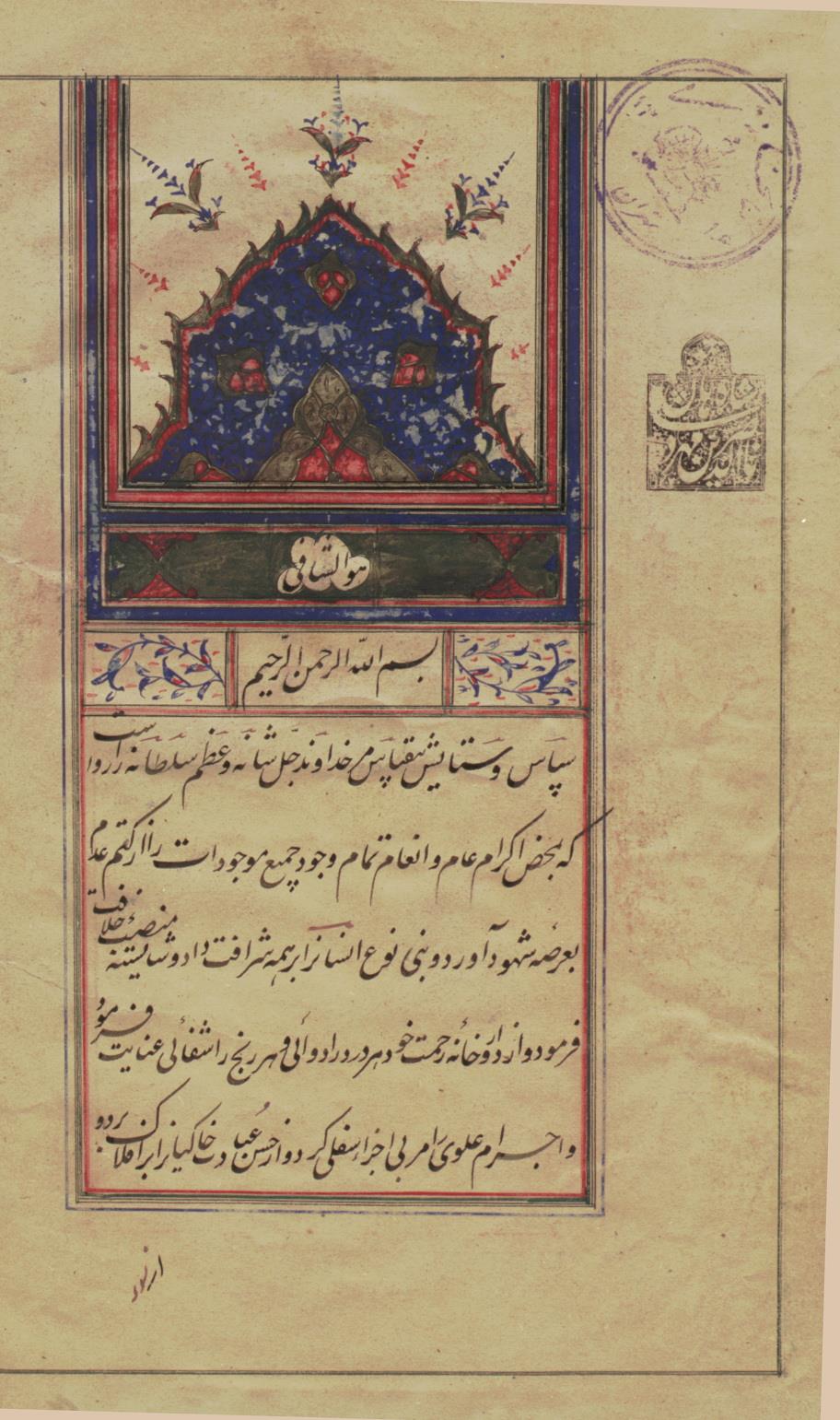
Figure 3. The First Page of the Treatise on the Treatment of Cholera, 1269 AH (1852 AD) (Afshar, 1853, p. 1)
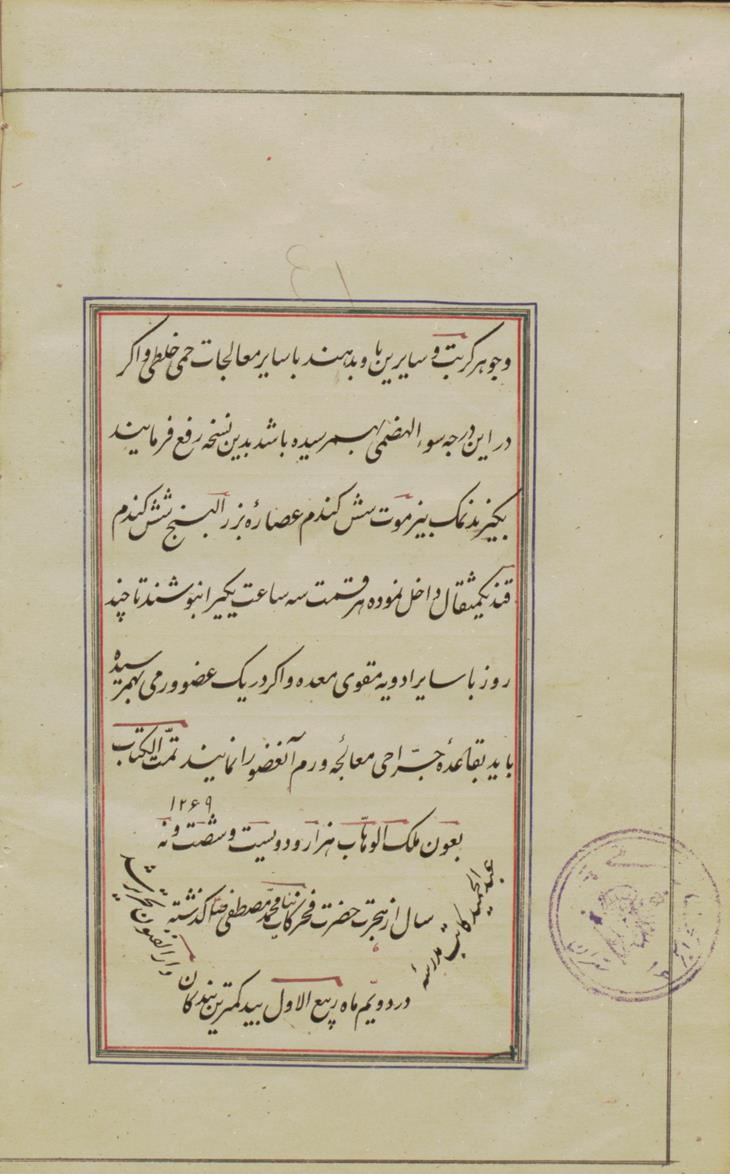
Figure 4. The Final Page of the Treatise on the Treatment of Cholera (Afshar, 1853, p. 41)
3- Third Manuscript: The Cholera Booklet
This booklet was written in 1892, under the orders of Shahzada Abd al-Hossein Mirza Farman Farma, the governor of Kerman, by Mirza Mahmood Khan Doctor, the son of Aqa Mirza Abd al-Karim Mo’tamad al-Hokama in Kerman (Mahmoud Mo’tamed al-Hokama, 1892, p. 2). According to the author, this booklet was written during a period when cholera had spread to most parts of Iran, causing many deaths. Consequently, on the orders of the Farman Farma, this treatise was created so that the public could refer to it and treat themselves in case of necessity, particularly when doctors were unavailable (Mahmoud Mo’tamed al-Hokama, 1892, pp. 3-4). There is no detailed information available about the author, but, based on the content of the booklet, it is evident that he had studied medicine, either abroad or in Dar al-Fonun, and was familiar with Western medical practices.
The booklet is divided into two parts: the first details preventive measures against cholera, while the second outlines treatment protocols. The author maintained that any literate speaker of Persian could use it to manage the disease (Mahmoud Mo’tamed al-Hokama, 1892, p. 4).
The author begins his discussion by introducing the opinions of European physicians about the origin of cholera: “Cholera is a contagious disease, and its transmission, according to most opinions, is caused by various types of water. The true source of cholera is the banks of the Ganges River in India and many stagnant waters in tropical countries. In these places, cholera often begins and, through caravans, railways, and ships, spreads to faraway lands. If one wants to prevent cholera from entering a city, they must ensure strict implementation of quarantine measures” (Mahmoud Mo’tamed al-Hokama, 1892, p. 5).
The author then discusses the importance of quarantine and provides a solution for when cholera has already entered a city: “As soon as cholera enters a city or village, the best precaution is to keep drinking and used water clean, and I strongly insist that all people heed this advice” (Mahmoud Mo’tamed al-Hokama, 1892, p. 6). He continues with practical advice for when cholera breaks out, recommending people isolate themselves and avoid socializing, choose locations where cholera has never occurred in the past, and ensure they are drinking clean water from areas with minimal human traffic (Mahmoud Mo’tamed al-Hokama, 1892, p. 7). (Figures 5 and 6)
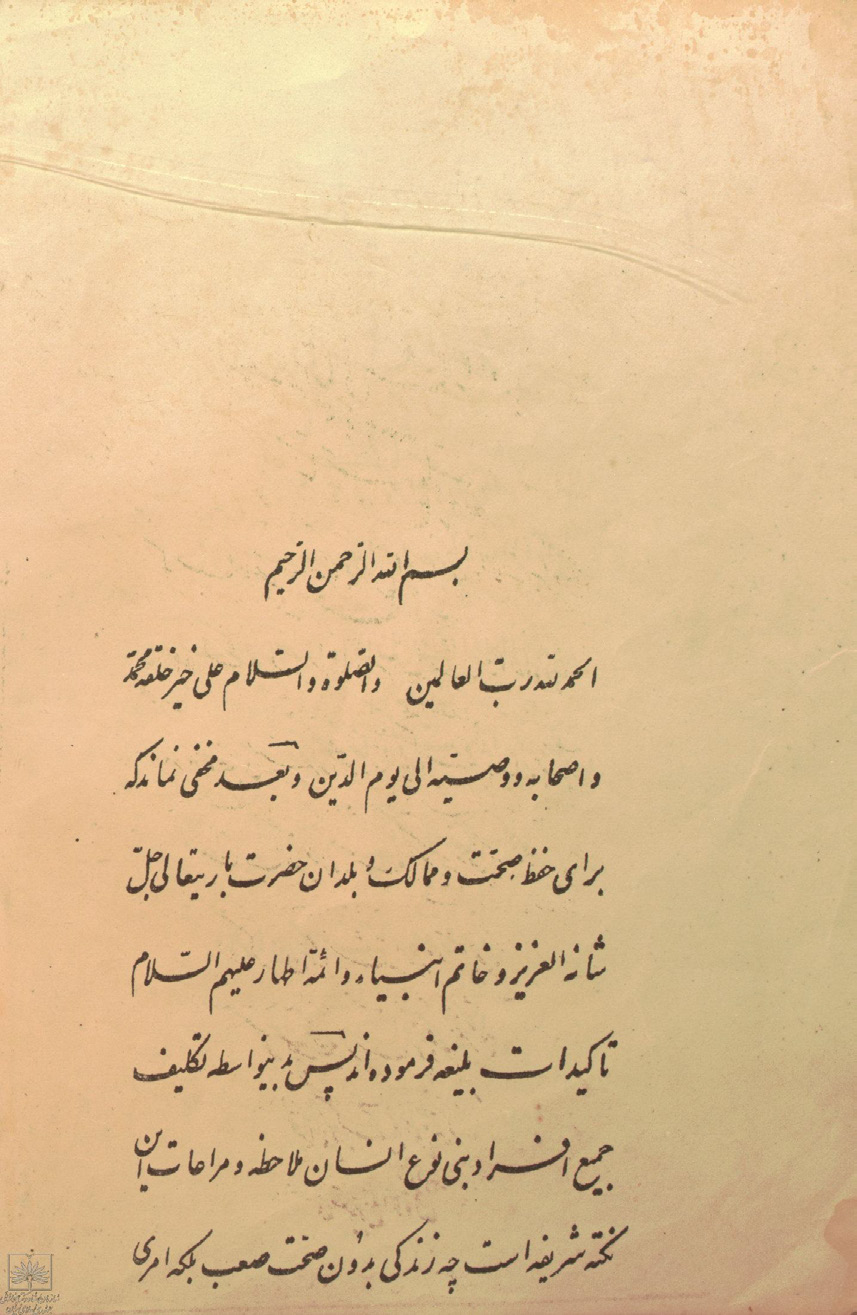
Figure 5. The First Page of the Cholera Treatise, 1310 AH (1892 AD) (Mahmoud Mo’tamed al-Hokama, 1892, p. 1)
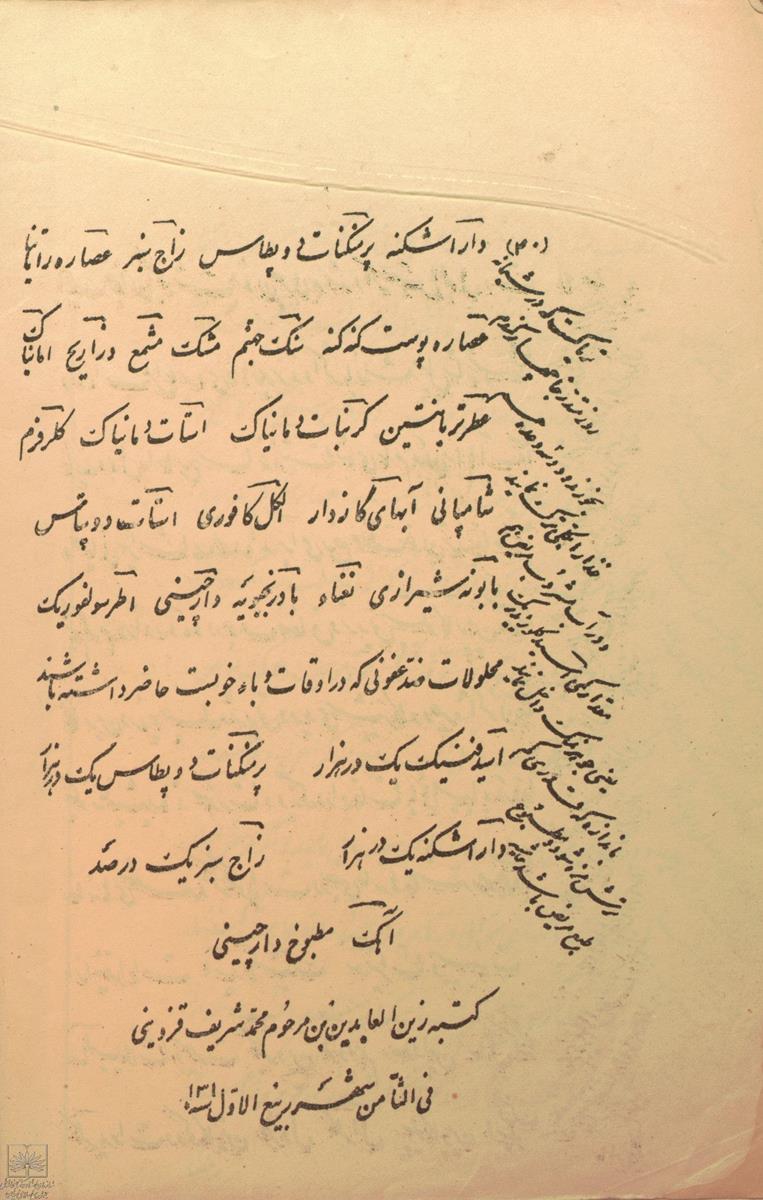
Figure 6. The Final Page of the Booklet on Cholera (Mahmoud Mo’tamed al-Hokama, 1892, p. 40)
The author provides further medical advice for preventing cholera outbreaks, such as boiling both drinking and non-drinking water before use, washing clothes and disinfecting them with phenolic acid, avoiding the use of soiled clothing, using clean water forsmoking, disposing of excrement in deep wells and covering them with lime, avoiding excess eating and drinking, refraining from sexual activity, burying dead animals outside the city, changing the water in ponds, rivers, and public baths (Mahmoud Mo’tamed al-Hokama, 1892, pp. 8-12). He also suggests that during an outbreak, people should avoid staying in places where cholera is rampant and instead seek higher elevations where purer waters could be found (Mahmoud Mo’tamed al-Hokama, 1892, p. 13).
The booklet also offers detailed instructions for managing cholera patients, such as isolating the patient, carefully cleaning their vomit and feces with a solution of phenolic acid (one part in a thousand parts water), and ensuring that contaminated materials are either buried far from people or burned (Mahmoud Mo’tamed al-Hokama, 1892, p. 14).
The author, familiar with Western medical findings, refers to European discoveries, such as Dr. Haim’s belief tha t lactic acid is effective in preventing cholera. He suggests that people should consume between twenty to thirty chickpeas of lactic acid while healthy and two to four drams during an outbreak (Mahmoud Mo’tamed al-Hokama, 1892, pp. 15-16). The author also mentions the findings of Louis Pasteur and his belief that cinnamon can protect against cholera, recommending people consume cinnamon regularly after meals or drink cinnamon tea in the mornings (Mahmoud Mo’tamed al-Hokama, 1892, pp. 15-16).
After listing various well-known treatments that have historically helped cholera patients, the author concludes with instructions for people to follow when a doctor is unavailable, outlining remedies they can try on their own (Mahmoud Mo’tamed al-Hokama, 1892, p. 17). He continues by describing the causes and origin of cholera, stating that it originates from India, where it is associated with contaminated waters, unsanitary conditions, and dense populations lacking proper hygiene (Mahmoud Mo’tamed al-Hokama, 1892, pp. 18-20).
The booklet then describes the symptoms and different stages of cholera, which the author divides into three phases: the initial diarrhea stage, the cold and stiffening of the body, and the stage of recovery (Mahmoud Mo’tamed al-Hokama, 1892, pp. 22-23). After outlining the symptoms, the author offers advice on how to care for the patient during recovery, noting that the severity of the disease determines the length and nature of the recovery period (Mahmoud Mo’tamed al-Hokama, 1892, pp. 28-29).
A significant portion of the booklet is dedicated to differentiating cholera from similar diseases like dysentery and to guiding the reader in recognizing it by its specific characteristics (Mahmoud Mo’tamed al-Hokama, 1892, p. 30). The final section offers detailed treatment methods, listing various remedies, suc h as lactic acid, quinine, opium, chloride of lime, naphthalene, and ammonia, providing instructions for their use (Mahmoud Mo’tamed al-Hokama, 1892, pp. 32-33).
The author’s medical training informs this version’s more precise, scientific approach. Grounded in modern medicine, it presents updated and more effective remedies than earlier editions.
4- Fourth Manuscript: The Treatise on Solving the Riddle, on the Customs of the Onset of the Plague
This treatise was written in 1875 CE, during the reign of Nasir al-Din Shah Qajar, by Haq-Nazr Hakim Bashi. While no specific biographical information about the author survives, the treatise’s content and style suggest he was a traditional physician with limited exposure to modern medical science. This interpretation is reinforced by his chosen title, The Riddle-Solving Treatise, which implies a non-scientific conceptualization of the plague.
In accordance with the traditional style of medical practitioners, the author begins his work with a lengthy preface praising God, the Prophet, and the Imams of the Ahl al-Bayt: “Praise be to God, the Necessary Existent, the Worthy of Prostration, the Creator of souls, the Healer of ailments, the One who is Unique in Eternity and Singular in Majesty...” (Haq-Nazr Hakim Bashi, 1875 CE, p. 1). Following this preface, the author describes his qualifications and then defines the plague as follows: “It is the belief of most traditional and contemporary physicians, as well as other classes of people, that the plague manifests from the contamination of the air. A toxicity in the air, originating from the throat and nose, spreads inside and causes death. However, it has often been observed that in both spring and winter, in very clean places and even on the peaks of towering mountains, this disease has occurred and caused many deaths.” (Haq-Nazr Hakim Bashi, 1875 CE, p. 5). (Figures 7 and 8)
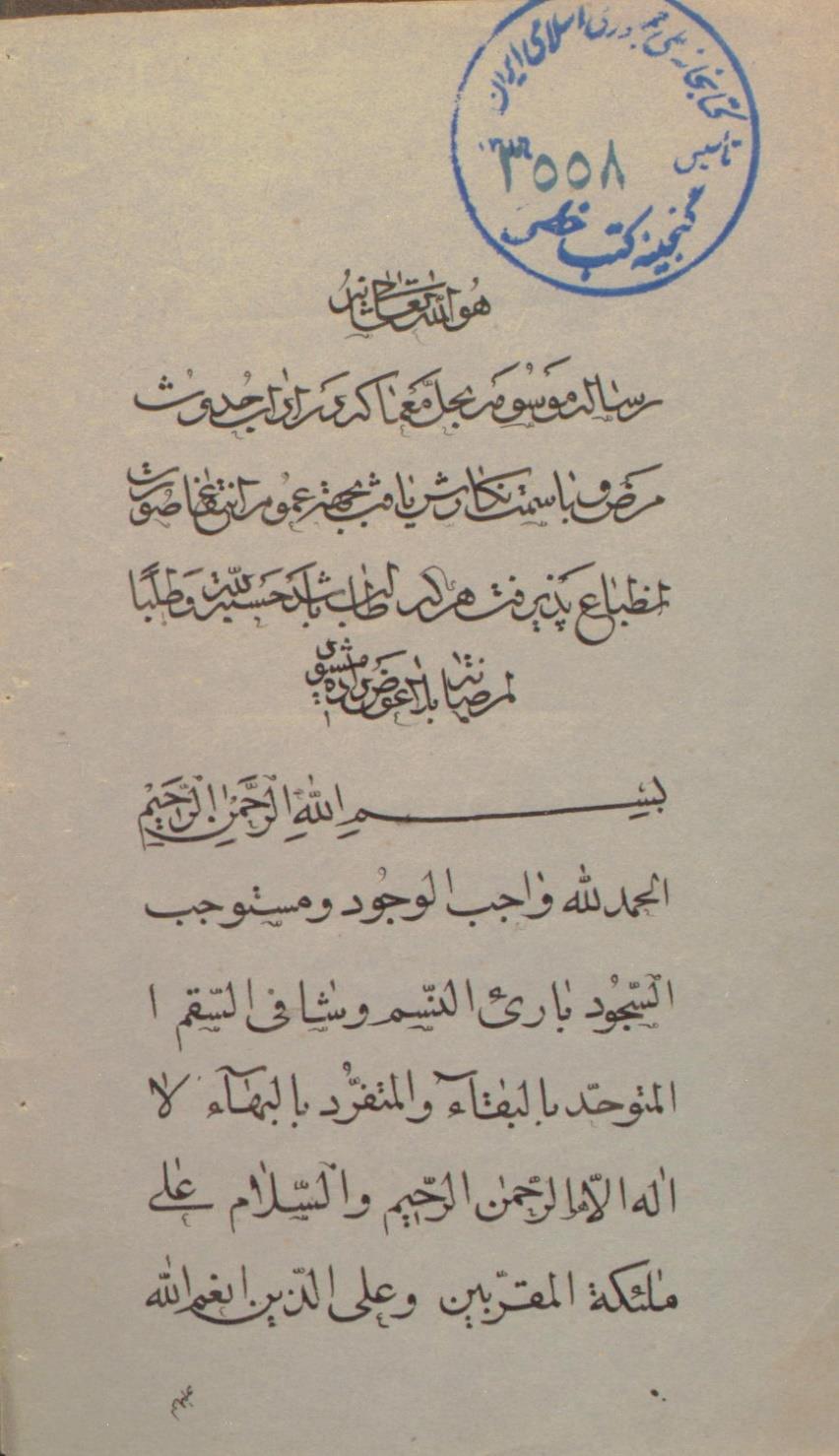
Figure 7. The First Page of the Treatise on Solving Riddle (Moama), 1292 AH (1875 AD) (Haq-Nazr Hakim Bashi, 1875, p. 1)
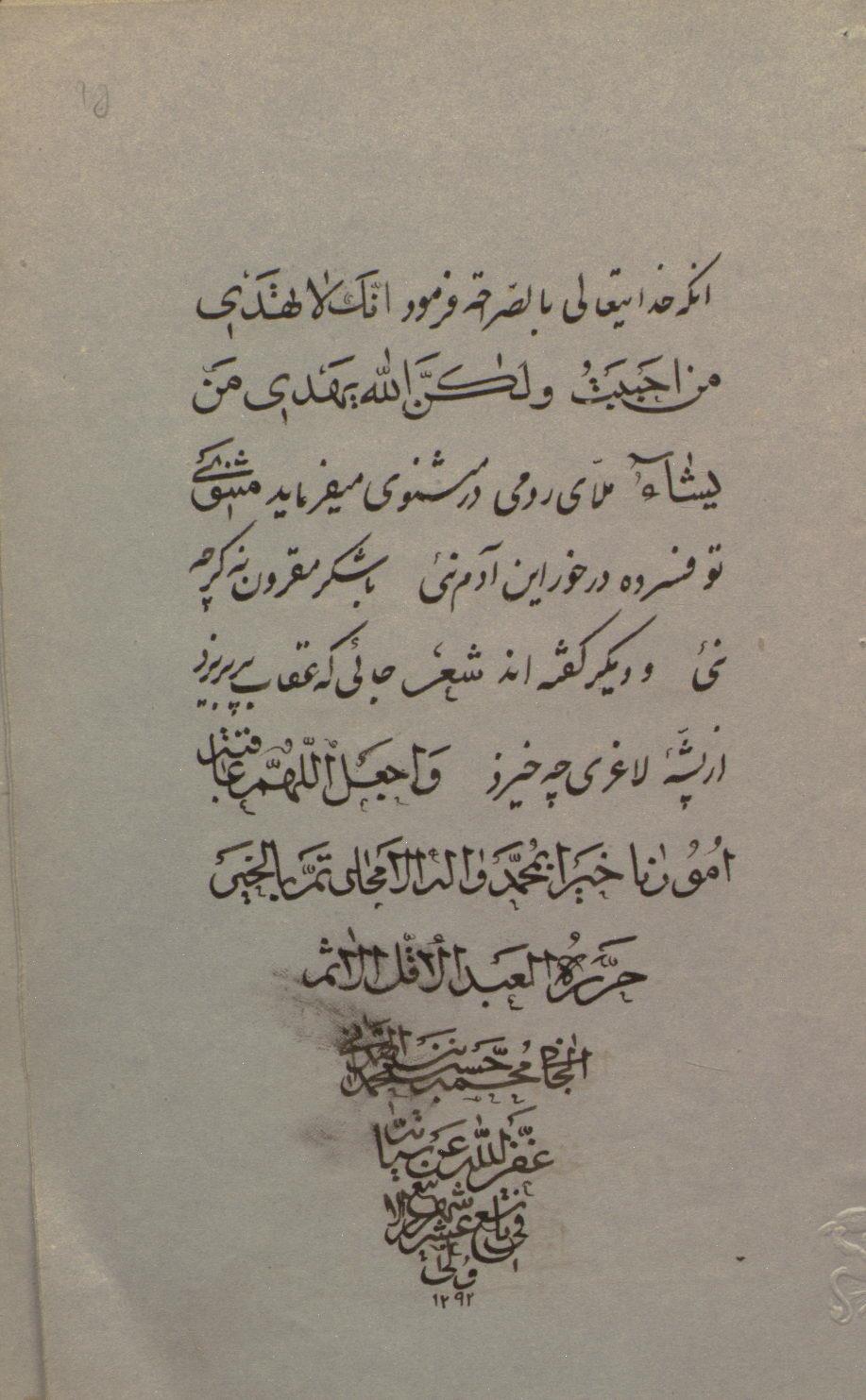
Figure 8. The Final Page of the Treatise on Solving Riddles (Haq-Nazr Hakim Bashi, 1875, p. 32)
In the traditional style of medical writers, the author refers to Quranic verses related to each topic. For example, when he discusses the importance of living in clean environments, using perfumes, avoiding crowds, and refraining from speaking of death, he cites verse 44 of Surah Al-Baqarah: “Do you enjoin people to do good and forget yourselves? While you recite the Book (Divine scripture), do you not understand?”2 (Haq-Nazr Hakim Bashi, 1875, pp. 6-7). Elsewhere, after discussing the influence of celestial bodies on nature, he refers to verse 191 of Surah Al-Imran: “O our Lord, grant us what You have promised to Your messengers, and do not disgrace us on the Day of Judgment. Indeed, Tou do not fail in Your promise”3 (Haq-Nazr Hakim Bashi, 1875, pp. 9-10).
The author also uses poetry to express his views. For instance, when discussing the impact of the four humors on the body, he quotes a verse from Saadi Shirazi: “The four temperaments, rebellious and untamed, / Lived together for a while in harmony, / But when one of the four became dominant, / The sweet soul departed from the body.”4 (Haq-Nazr Hakim Bashi, 1875, p. 7). Later in the treatise, he refers to a verse from Rumi: “You are not fit for this moment, / You are not joined with sweetness, though you are not without it.”5 (Haq-Nazr Hakim Bashi, 1875, p. 28).
The author also incorporates parables and stories in his treatise. In the traditional manner, he encourages people to read prayers as a preventive measure against the plague: “It is narrated that in a year, a severe plague broke out in Baghdad, and except for the elderly and women, twelve thousand young people who had memorized the Holy Quran remained safe from this affliction. This news reached the Caliph. He summoned a merchant and asked him the reason for his safety. The merchant replied that he had a prayer that had been revealed by Imam Ja’far al-Sadiq (peace be upon him), who said that whoever recites this prayer, whether in a state of purity or at home, God will protect him from this affliction.”6 (Haq-Nazr Hakim Bashi, 1875, pp. 29–32).
Apart from the style of presenting the material, which reflects the author’s traditional approach, the content of the treatise and the author’s perspective on the plague also suggest that he does not believe in modern medical science for the prevention and treatment of this widespread disease. Regarding the cause of contracting the plague, the author writes: “The cause of the spread of this disease is due to the effect of the celestial bodies. According to this theory, in most temperaments, moisture is drawn off from the bile. This process concentrates and thickens the bile, rendering it toxic. If a drop of this toxic bile enters the stomach, it acts like a virulent poison—comparable to snake venom—within the individual’s constitution, inducing immediate vomiting and diarrhea....” (Treatise on the Riddle, 1875, p. 8).
Following the traditional approach of Iranian medicine, the author then explains the cause of the plague according to astronomical views: “The existence of the four humors in the body—phlegm, black bile, blood, and yellow bile—is related to the four elements. Each of the four humors corresponds to a classical element: phlegm to water, black bile to earth, blood to air, and yellow bile to fire. The essential truth and nature of these elements are, in turn, derived from the influence of the seven celestial planets. The impact of these planets on the terrestrial world is presented as tangible and self-evident, requiring no further contemplation. Due to the intense manifestation of their effect, they have been called the ‘Seven Fathers.’” (Treatise on the Riddle, 1875, p. 9).
The author continues to discuss how the heavens and stars influence the occurrence of the plague and other diseases: “When both planets align in a particular constellation, especially in Cancer and Leo, to an extreme extent, it causes heat and warmth in the air of the northern lands. The connection of these two planets to the Angel Azrael, through the four angels, generates intense heat in the atmosphere and inside human bodies, reducing natural moisture. Consequently, hot and acute diseases occur in the world, including inflammation, fever, plague, smallpox, and all such ailments, as a result of this in the temperaments.” (Treatise on the Riddle, 1875, p. 14).
The author then proceeds to explain how one contracts the plague and provides recommendations for the recovery of patients: “The onset of the plague, especially widespread, occurs when Mars and the Sun align in the same constellation. When this disease strikes, it is necessary to cool and balance the overall temperament. If neglected, or if hot substances, medicines, and hot remedies are used, the hope of recovery is sheer folly and ignorance.” (Treatise on the Riddle, 1875, p. 16).
He further offers various methods to prevent the exacerbation of the disease and to bring it under control: “The best treatment is when signs of this disease appear in the temperament. Immediately, warm water and almond oil should be given to the patient, and they should induce vomiting by vigorous action. Afterward, they should drink vinegar syrup and warm water, followed by further vomiting. Then, they should start giving them very cold water of asfarza (an herbal remedy). As much as the patient feels thirsty, the asfarza water mixed with sour vinegar and pressed sour lemon juice should be administered. It is also essential to frequently induce vomiting. The use of asfarza water, mallow flowers, and almond oil will help when the vomiting ceases...” (Treatise on the Riddle, 1875, p. 17).
In the final section of the treatise, the author, through multiple Quranic verses and poems, offers advice and counsel to the people. Thus, from the content and evidence mentioned, it can be inferred that the author firmly adheres to traditional methods, including the recitation of prayers, invocations, hadiths, and narratives.
Conclusion
This research, utilizing Michel Foucault’s governmentality framework, examines four Qajar manuscript versions, each representing different intellectual currents either supporting or rejecting modern/traditional medicine. The governmentality framework does not reduce the political situation of the Qajar dynasty, which was influenced by the hardships, plagues, and other contagious diseases, to the form, type, or nature of the State. Instead, it refers to the techniques, strategies, and practical behaviors of the rulers during that period. Contrary to the conventional narratives that portray the Qajar government as a representative or executor of medical modernization, it must be acknowledged that the political institution during this period utilized both discourses: modern medicine, which emerged from Iran’s encounter with the new world and the introduction of modern medical knowledge, and Iranian-Islamic medicine, which had ancient and indigenous traditions. These two medical paradigms were employed concurrently and in a complementary fashion.
Therefore, the Qajar government, particularly during the reign of Naser al-Din Shah, had a practical and pragmatic policy to address the crises. The reason for this approach was the need to accommodate the large number of adherents to traditional medical teachings, as well as the effectiveness and efficiency of modern medicine in addressing the economic and social damage caused by the diseases, which had placed Iran in a critical and difficult situation. During this period, we see the institutionalization and modernization of medicine, the arrival of doctors and specialists, as well as the production of numerous texts advocating the use of herbal remedies and the recitation of prayers and invocations to ward off disasters.
In conclusion, it should be noted that this strategy of governance gradually extended its interventions into other sectors of society, laying the groundwork for the establishment of the modern state during the Pahlavi period.
NOTE:
1“Of the core concepts of the theory of Carl Schmitt, the German philosopher, and subsequently Giorgio Agamben, the Italian philosopher.”
22 أَتَأْمُرُونَ النَّاسَ بِالْبِرِّ وَتَنْسَوْنَ أَنْفُسَكُمْ وَأَنْتُمْ تَتْلُونَ الْكِتَابَ أَفَلَا تَعْقِلُونَ.
3 ٱلَّذِينَ يَذكُرُونَ ٱللَّهَ قِيَما وَقُعُودا وَعَلَى جُنُوبِهِم وَيَتَفَكَّرُونَ فِي خَلقِ ٱلسَّمَوَتِ وَٱلأَرضِ رَبَّنَا مَا خَلَقتَ هَذَا بَطِلا سُبحَنَكَ فَقِنَا عَذَابَ ٱلنَّارِ.
4"چار طبع مخالف سرکش/ چند روزي بُدند با هم خوش/ گر يکي زان چهار شد غالب/ جان شيرين بر آمد از قالب"
5و فسرده در خور اين آدم نئي/ با شکر مقرون به گرچه نئي.
6بِسْمِاللهِ الرَّحْمَنِ الرَّحِيمِ اَللّهُمَّ اِنّي أسْألُكَ بِعَدَدِ خَلْقِكَ، بِعِزّةِ عَرْشِكَ، بِرِضَا نَفْسِكَ، بِنُورِ وَجْهِكَ، بِمَبْلَغِ عِلْمِكَ وَحِلْمِكَ، بِبَقَاءِ قَدْرِكَ بِبَسْطِ قُدْرَتِكَ، بِمُنْتَهَى رَحْمَتِكَ، بِإدْرَاكِ مَشِيَّتِكَ، بِكُلِّيَّةِ ذَاتِكَ بِكُلِّ صِفَاتِكَ، بِتَمَامِ وَصْفِكَ، بِنِهَايَةِ أسْمَائِكَ، بِمَكْنُونِ سِرِّكَ، بِجَمِيلِ بِرِّكَ، بِجَزِيلِ عَطَائِكَ، بِكَمَالِ مَنِّكَ، بِفَيْضِ جُودِكَ، بِشَدِيدِ غَضَبِكَ بِسِبَاقِ رَحْمَتِكَ، بِعَدَدِ كَلِمَاتِكَ، بِغَايَةِ بُلُوغِكَ، بِتَفَرُّدِ فَرْدَانِيَّتِكَ، بِتَوْحِيدِ وَحْدَانِيَّتِكَ، بِبَقَاءِ بَقَائِكَ، بِسَرْمَدِيَّةِ أوْقَاتِكَ بِعِزَّةِ رُبُوبِيَّتِكَ، بِعَظَمَةِ كِبْرِيَائِكَ، بِجَاهِ جَلَالِكَ، بِكَمَالِكَ بَجَمَالِكَ بِأفْعَالِكَ، بِإِنْعَامِكَ، بِسِيَادَتِكَ، بِمَلَكُوتِيَّتِكَ، بِجَبَّارِيَّتِكَ، بِمَشِيئَتِكَ، بِعَظَمَتِكَ، بِلُطْفِكَ، بِسِرِّكَ، بِبِرِّكَ، بِإحْسَانِكَ، بِحَقِّكَ، بِحَقِّ حَقِّكَ، وَبِحَقِّ رَسُولِكَ مُحَمَّدِ الْمُصْطَفَى صَلّى اللهُ عَلَيْهِ وَآلِه أنْ تَجْعَلَ لَنَا فَرَجاً وَمَخْرَجاً، وَشِفَاءً مِنَ الْغُمُومِ وَالْبَلَاءِ وَالْوَبَاءِ وَالطّعْنِ وَالطّاعُونِ وَالْعَنَاءِ، وَمِنْ جَمِيعِ الْأمْرَاضِ وَالْآفَاتِ وَالْعَاهَاتِ وَالْبَلِيّاتِ في الدّنْيَا وَالْآخِرَةِ، وَبِحَقِّ كهيعَص وَبِحَقّ طه وَيس وَص وَبِحَقِّ حمعَسق وَبِحَقِّ إنّا فَتَحْنَا لَكَ فَتْحاً مُبِيناً لِيَغْفِرَ لَكَ اللهُ مَا تَقَدَّمَ مِنْ ذَنْبِكَ وَ مَا تَأخَّرَ، وَ بِرَحْمَتِكَ يَا أرْحَمَ الرّاحِمِينَ، وَصَلّي اللهُ عَلَى مُحَمَّدٍ وَآلِهِ الطَّيِّبِينَ الطّاهِرِينَ.
Authors’ Contribution
All three authors contributed equally to the conception and design of the work, as well as to the acquisition, analysis, and interpretation of data. All authors were involved in drafting the manuscript and revising it critically for important intellectual content. They read and approved the final version of the work.
Funding
None.
Conflict of Interest
None.
References
- A Treatise on Cholera, 1846. Translated by M.H. Qajar. [Manuscript] No.5-10735. Held at: Tehran: National Library and Archives of Iran.
- Abbasi, I., et al., 2022. Governmentality and the Transition from Legal Perspectives to the State. Journal of Legal Studies, 4(1), pp. 183-224.
- A’in al-Saltanah, G.M., 1895. Diary of Memories. Edited by M. Salour and I. Afshar. Vol. 1. Tehran: Asatir Publications.
- Afshar, M.H., 1853. Treatise on the Treatment of Cholera. [Manuscript] No. 10349. Held at: Tehran: National Library and Archives of Iran.
- E’temad al-Saltaneh, M.H.Kh. 1988. History of Nasserid Era. Edited by M.E. Rezvani. Vol. 3. Tehran: Donyaye Ketab Publishing.
- Foucault, M., 2011. The Birth of Biopolitics. Translated by R. Najafzadeh. 1st Ed. Tehran: Ney Publishing.
- Haq-Nazr Hakim Bashi, 1875. Treatise on Solving the Riddle. [Manuscript] No. 5-7308. Tehran: National Library and Archives of Iran..
- Hedin, S., 2023. Iran in the Nasserid Era. Translated by V. Saberi-Niya. Tehran: Payam Azadi Publications.
- Heydari, A., 2019. Iranian Adjustments: Governmentality and the Rise of the Modern State in Iran. Iranian Sociology Journal, 19(1), pp. 126-148.
- Jahangir Mirza, 2005. History of the New Era. Tehran: Elm Publishing.
- Kasraei, M.S., et al., 2011. Foucault, Governmentality, the Political Subject, and Political Action. Journal of Historical Sociology, 3(2), pp. 1-34.
- Khormoji, M.J., 1965. History of the Qajar Dynasty, Haqqaiqal-Akhbar Nasiri. Edited by H. Khadiv Jam. Vol. 2. Tehran: Zawar Publishing.
- Laleh, H., and Vafary, R., 2006. The History of Traditional Medicine to Modern Medicine in the Qajar Era. Humanities Journal, 60, pp. 131-165.
- Lashkari Tafreshi, E., 2020. Cognitive Consequences of the Concept of Governmentality in Cultural Geography. Quarterly Journal of Geographical Research, 36(3), pp. 333-340.
- Mahboubi Ardakani, H., 1989. History of Modern Civilizational Institutions in Iran. Vol. 1. Tehran: Tehran University Press.
- Mahmoud Mo’tamed al-Hokama, 1892. Cholera Booklet. [Manuscript] No. 66-19211. Held at: Tehran: National Library and Archives of Iran.
- Smart, B., 2006. Michel Foucault. Translated by L.J. Afshani and H. Chavoshian. Tehran: Akhteran Publications.
- Vaqāyeʿ-e Etefāqiyeh Newspaper, 1852–1853 CE. Tehran: Dār al-Ṭabāʿeh-ye Dowlatī.
- Vincent, A., 1992. Theories of the State. Translated by H. Bashirieh. Tehran: Ney Publishing.
- Yahyavi, H., 2017. The New Pragmatism: Critique of Governmental Rationalities in Iran. Quarterly Journal of State Studies, Faculty of Law and Political Science, 3(10), pp. 1-32.
- Zamani Ganjbakhsh, M., 2010. Health Transformations in the Late Qajar Era (According to Documents). Quarterly Journal of Medical History, 2(2), pp. 145-171..


