
Introduction
Persian Medicine (PM) is a traditional school of medicine with historical roots extending back thousands of years (Mojahedi et al., 2022; Orimi et al., 2023). It combines holistic and individualized perspectives, emphasizing lifestyle and addressing various body types and conditions (Abdipour Mehrian et al., 2024; Tansaz et al., 2021). Historical evidence indicates that pharmaceutical matters held significant value in Persian medicine (Zargaran et al., 2012). Pharmacy, a crucial part of ancient medical practice, was recognized as a distinct scientific discipline in Persia. (Anderson, 2005) Pre-Islamic Persia saw the emergence of specialized pharmacists, who focused on studying and applying medicinal plants, a tradition that persisted into the Islamic era (Golshani et al., 2015; Mahya et al., 2022).
The Safavid period (907-1148 AH/1501-1736 AD) is significant in Persian medicine history, with influential physicians and pharmacists like Bahā’ al-Dawlah Nūrbakhshī Razi, Hakim Momen Tonekaboni, and Hakim Imad al-Din Shirazi writing influential works (Elgood, 1970; Soleymani et al., 2020; Golshani et al., 2013). Hakim Afzal, a prominent physician of the 17th-century Safavid period, authored the influential pharmacological text Manafe’e Afzaliyya, which provides a comprehensive overview of drugs, medicinal plants, and their therapeutic applications. (Figure 1) Although PM and its pharmaceutical knowledge have been studied, a historical analysis of Manafe’e Afzaliyya remains lacking (Boroumandi et al., 2018; Jafarey et al., 2014; Mohaghegh, 2005; Hamarneh, 1976). This research gap offers an opportunity to explore traditional Persian pharmacy’s rich heritage and inform contemporary medical practices.
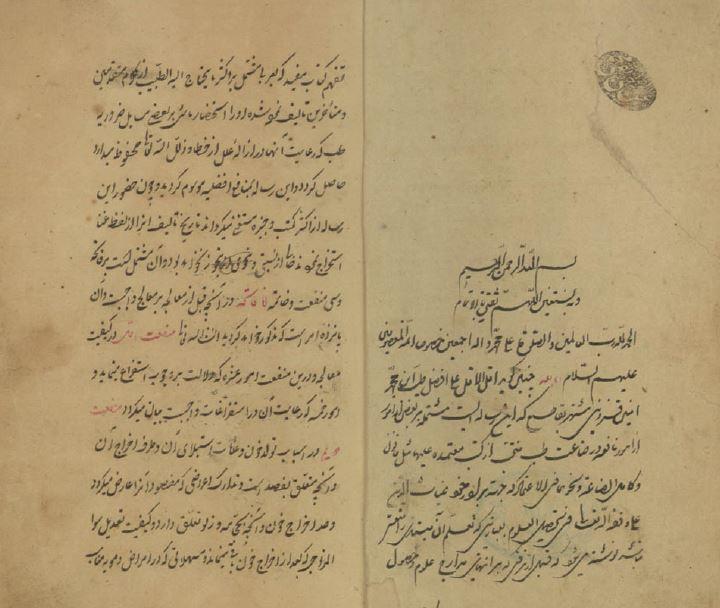
Figure 1. The first and second pages of the handwritten version of the “Manafe’e Afzaliyya” (Hakim Afzal, 1641)
This research aims to conduct a comprehensive examination of traditional pharmacy as described in Hakim Afzal’s Manāfe Afzaliyya. This study seeks to answer the following research question: What insights does Hakim Afzal’s work provide into drug classification, geographical resources, tools, preparation methods, time influence, clinical observations, and measurement units?
Materials and Methods
This descriptive-analytical study examines Hakim Afzal’s Manāfe Afzaliyya to explore traditional Persian pharmacy. Data were collected by systematically searching the text for keywords such as “drug,” “plant,” and “materia medica.” Relevant information was extracted, recorded, and analyzed using thematic and content analysis frameworks (drug classification, geographical resources, tools, preparation methods, time influence, clinical observations, and measurement units). Databases including Scopus, Science Direct, Web of Science, PubMed, and Google Scholar were searched for supplementary literature. Inclusion criteria focused on historical and pharmacological relevance, while exclusion criteria omitted non-relevant or redundant data. Findings were organized thematically and tabulated for clarity.
Biography of Hakim Afzal
Ali Afzal ibn Muhammad, known as Hakim Afzal, is one of the Iranian physicians of the 17th century AD who lived during the Safavid era. Medicine was his family profession, and his grandfather, Maulana Fazlullāh Tabrizi, known as “Bo Ali Thāni,” was a contemporary of the Timurid era who practiced medicine (Montasab Majabi, 2006). Initially, he served as a personal physician to Shāh Nematollāh Yazdi in Qazvin and was thus present at the court of Shāh Tahmāsb I. However, due to some issues arising between him and the court, he migrated from Qazvin to Gilān and went to Khān Ahmad Khān Gilāni (Tadjbakhsh, 2000). Hakim Afzal was a diligent physician, especially renowned for his medical writings during the Safavid era. His works such as “ Manafe’e Afzaliyya,” “Fawaid al-Afzaliyya,” “Mofid,” and “Javārehsh Afzaliyya” are considered significant contributions to the fields of medicine and pharmacy (Jafarey et al., 2014).
One of the most important Persian medical texts in the field of pharmacy is “Manāfe’e Afzaliyya.” Hakim Afzal wrote Manāfe’e Afzaliyya in the year 1051 AH (1641 AD), twenty years before “Tuhfat al-Mu’minin,” for his brother Ghiāsuddin Ali (a medical student) (Eslamifard, 2020; Torkaman, 1998). Elgood considers the content of “Manāfe’e Afzaliyya” superior to the books “Jami al-Jawāmi” by Afzal ibn Yahyā Gilani (written in 1002 AH/1593 AD) and “Qarābādin Qāderi” by Muhammad Akbar Arzāni (written in 1126 AH/1714 AD). This book is much more than just a pharmacological text and much less than a medical textbook (Elgood, 1970; Boroumandi et al., 2018).
Introduction to the Book “Manafe’e Afzaliyya”
“Manafe’e Afzaliyya” is a valuable treasure trove in the specialized field of medicine and pharmacy. It discusses the causes of diseases, introduces medicinal plants and their production methods, including medicinal uses, contraindications, side effects, and various foods. It also provides an overview of patient temperaments and food substances (Mohaghegh, 2005). The author, Hakim Afzal, highlights the book’s comprehensiveness and asserts that it caters to most of the readers’ needs in most situations (Hakim Afzal, 1641). This work contains comprehensive and practical information on traditional medicine and pharmacy, practical guidelines for treating common diseases, and guidance on maintaining health and preventing diseases (Elgood, 1970).
The author has carefully designed and organized the structure of this book based on three fundamental sections:
1. “Fātihah” (Introduction): Comprising 15 directives
2. “Manāfi” (Benefits): Encompassing 30 benefits
3. “Khātimah” (Conclusion): Comprising 12 points
This categorization provides a logical and hierarchical framework for the reader to approach the material in an orderly and organized manner, enabling them to derive the maximum benefit from the comprehensive and important information presented in the book. The “Fātihah” section delves into topics such as medical ethics, thorough patient examination from various perspectives (age, gender, and residence), and the diagnosis of similar ailments. It serves as an introduction for the physician and the subsequent sections of the book (Hakim Afzal, 1641).
The section “Manāfi” (Benefits), which is considered the most important part of the book, includes thirty benefits (Table 1). This section outlines the principal classes of drugs effective in treating various diseases. The author provides a detailed examination of disease etiology and pathogenesis, exploring the specific causes and manifestations that individuals may develop. These analyses and information help the individual make better decisions when faced with diseases and make the best use of preventive and therapeutic measures. The last section of the book, “Conclusion,” contains twelve topics that Hakim Afzal believes are essential for maintaining individual health. This section discusses in detail such issues as poisoning and bites, weights and measures, astrological medicine, travel supplies, common travel diseases, specific travel medications, protecting the health of travelers, and treating some diseases that may occur during travel (Hakim Afzal, 1641).
| Benefit | Content | Benefit | Content |
|---|---|---|---|
| Benefit 1 | Factors Affecting Treatment Quali-ty | Benefit 16 | Pain-Relieving Medications |
| Benefit 2 | Causes and Factors of Blood Pro-duction | Benefit 17 | Medications Effective in Treating Heart and Brain Diseases |
| Benefit 3 | Laxative Medications | Benefit 18 | Medications Effective in Treating Liver Diseases |
| Benefit 4 | Causes and Factors of Bile* Pro-duction | Benefit 19 | Medications Effective in Treating Stomach Diseases |
| Benefit 5 | Causes and Factors of Phlegm Pro-duction | Benefit 20 | Medications Effective in Treating Respiratory Diseases |
| Benefit 6 | Causes and Factors of Black Bile Production | Benefit 21 | Sexual Enhancers |
| Benefit 7 | Maturative and Laxative Medica-tions That Induce Vomiting of More Than One Humor | Benefit 22 | Antipyretics (Fever-Reducing Medi-cations) |
| Benefit 8 | Combating Intestinal Worms | Benefit 23 | Severe Signs and Symptoms of Acute Fevers |
| Benefit 9 | Preventing the Side Effects and Harms of Laxatives | Benefit 24 | Patient Care During Recovery |
| Benefit 10 | Understanding the Properties and Administration of Various Anti-dotes | Benefit 25 | Wounds |
| Benefit 11 | Causes and Factors of Wind (En-dogenous Gases) Production | Benefit 26 | Evaluation of Quality, Harmful Ef-fects, and Modifications of Some Commonly Used Foods and Spices (in Alphabetical Order) |
| Benefit 12 | Obstructions Causes, Symptoms, Prevention, and Treatment | Benefit 27 | Identifying and Testing Medications, Alternative Medications, and Strate-gies for Quitting Opium Addiction |
| Benefit 13 | Treatment of Diarrhea | Benefit 28 | Poisoning and Stings |
| Benefit 14 | Diuretic Medications | Benefit 29 | Weights and Measures |
| Benefit 15 | Medications Effective in Treating Urinary Retention | Benefit 30 | The Benefits of Astronomy in Medi-cine: A Necessity for Physicians |
| *Based on PM, human body consists of four cardinal humors, including blood, phlegm, yellow bile, and black bile. All of them are composed of a very specific quantity and quality, and any kind of disease supposedly are resulted from an excess or deficit of one of these humors. According to PM any change in these cardinal humors which is called Sue Mizaj or imbalanced temperament plays very important role in etiology of the disease (Elgood, 1970). | |||
Classification of Drugs
In the book “Manafe’e Afzaliyya”, drugs are classified into three categories based on their origin: plant, mineral, and animal. The plant category includes 545 single drugs, the animal category includes 151 single drugs, and the mineral category includes 53 single drugs. Based on their type, drugs are divided into two general groups: single drugs (simple drugs) and compound drugs (Qarabadin). There are a total of 749 simple drugs and 110 compound drugs. The properties of commonly used drugs are also classified alphabetically based on their quality, drawbacks, and modifications (Hakim Afzal, 1641).
Based on an examination of the book ‘Manafe’e Afzaliyya,’ it can be concluded that certain drugs and foodstuffs were favored by Hakim Afzal. Pepper (Piper nigrum), mastic (Pistacia lentiscus), myrobalan (Terminalia chebula), cinnamon (Cinnamomum zeylanicum), rose (Rosa spp.), almond oil (Amygdalus scoparia), fennel (Foeniculum vulgare), and saffron (Crocus sativus) were among the most commonly used drugs (Table 2). Additionally, honey (148 mentions), vinegar (132 mentions), sugar (117 mentions), rose water (80 mentions), sekangubin (a traditional Persian medicinal syrup made from vinegar, honey, and water) (55 mentions), wine (49 mentions), salt (41 mentions), barley water (30 mentions), candy (27 mentions), milk (23 mentions), honey water (22 mentions), and jolab (20 mentions) were the most commonly used foodstuffs.
| No | Traditional name | scientific name | The number of repetitions | No | Traditional name | scientific name | The number of repetitions |
|---|---|---|---|---|---|---|---|
| 1 | Felfel | Piper nigrum | 75 times | 23 | Khiār | Cucumis sa-tivus | 27 times |
| 2 | Masta-ki | Pistacia len-tiscus | 69 times | 24 | Jadwār Khatāei | Curcuma zedoaria | 26 times |
| 3 | Halileh | Terminalia chebula | 65 times | 25 | Qoronful | Eugenia car-yophyllata | 26 times |
| 4 | Dārchini | Cin-namomum zeylanicum | 59 times | 26 | Toran-jebin | Alhagi camelorum | 26 times |
| 5 | Roz | Rosa spp. | 53 times | 27 | Somāq | Rhus coriar-ia | 25 times |
| 6 | Luz | Amygdalus scoparia | 52 times | 28 | Anāb | Zizyphus sa-tiva | 24 times |
| 7 | Rāziāneh | Foeniculum vulgare | 52 times | 29 | Karafs | Apuim grav-eolens | 24 times |
| 8 | Zafarān | Crocus sa-tivus | 50 times | 30 | Maviz | 23 times | |
| 9 | Gešniz | Coriandrum sativum | 48 times | 31 | Bazr-gotona | Plantago ovata | 22 times |
| 10 | Anison | Pimpinella anisum | 45 times | 32 | Piāz | Allium cepa | 22 times |
| 11 | Zanjbil | Zingiber of-ficinale | 38 times | 33 | Khorfe | Portulaca oleracea L | 22 times |
| 12 | Katirā | Astragalus gummifera | 35 times | 34 | Sudāb | Ruta graveo-lens | 22 times |
| 13 | Banafšeh | Viola odora-ta | 34 times | 35 | Flos | Cassia fistula | 21 times |
| 14 | Tabāšir | Bambusa arundinacea | 32 times | 36 | Kāsni | Cichorium pumilum Jacq. | 21 times |
| 15 | Karafs | Apuim grav-eolens | 31 times | 37 | Kon-dor | Boswellia carterii | 21 times |
| 16 | Jondebidestar | Castoreum | 29 times | 38 | šabat | Anethum graveolens | 21 times |
| 17 | Sir | Allium sa-tivum | 29 times | 39 | Nanā | Mentha piperita | 21 times |
| 18 | Samq Arabi | Acacia ara-bica | 29 times | 40 | Tamr Hindi | Tamarindus indica | 20 times |
| 19 | Zireh | Carum carvi | 28 times | 41 | Zoronbād | Zingiber zerumbet | 20 times |
| 20 | Kāfur | Laurus cam-phora | 28 times | 42 | Afti-mon | Cuscuta epi-thymum | 20 times |
| 21 | Satar | Thymus vul-garis | 27 times | 43 | Bāboneh | Matricaria chamomilla | 20 times |
| 22 | Nānkhāh | Carum cop-ticum | 27 times |
This study compares drugs based on their origin in the book “’Manafe’e Afzaliyya” with four important sources of traditional medicine. The reference book examined are as follows: “De Materia Medica or al-Hashā’ish” by Dioscorides, the most important and influential single-volume book in Greek in the 1st century AD (Mohammadifar, 2015); “Makhzan al-Adwiyah” by ‘Aqili Shirazi, the most comprehensive single-volume book written in Persian in the 12th century AH (18th century AD) (Parsa et al., 2019); “Zakhirah-e Khwarazmshahi”, the largest work of Seyyed Ismail Jorjani, the founder of the Persian school of medical writing, which was an encyclopedia of all the knowledge of Islamic medicine up to the 5th and 6th centuries AH (11th and 12th centuries AD) (Shamsi et al., 2014), and the book “al-Abniyyah ‘an Haqaieq al-Adwiyah” by Muwaffaq bin ‘Ali Heravi in the 4th and 5th centuries AH (10th and 11th centuries AD), the oldest extant text on herbal medicine in Persian (Khosrobeigi and Azadi, 2018). (Table 3)
| The results in the Manafe'e Afzaliyya | The results in the al-Abniyyah 'an Haqaieq al-Adwiyah (Khosrobeigi and Azadi, 2018) | The results in the Zakhirah-e Khwarazmshahi (Khosrobeigi and Azadi, 2018; Khosrobeigi and Jahani, 2016) | The results in the al-Hashā’ish (Sobhani, 2021) | The results in the Makhzan al-Adwiyah (Sobhani, 2021) | ||
|---|---|---|---|---|---|---|
| No | Origin of drugs | Number (percent) | Number (percent) | Number (per-cent) | Number (percent) | Number (per-cent) |
| 1 | Herbal Medi-cines | (%63/44)545 | 467 (%80) | 646 (%45/9) | 540 (%72) | 1072 (%61/3) |
| 2 | Mineral drugs | 53 (%6/16) | 68 (%12) | 56 (%4) | 73 (%9/72) | 238 (%13.6) |
| 3 | Animal med-icines | (%17/57)151 | 41 (7%) | 258 (%18/3) | 124 (%16/51) | 289 (%16/53) |
| 4 | Compounded drugs | 110 (%12/80) | 8 (1%) | 448 (%31/8) | 14 (%1/86) | (%8/57)150 |
| 5 | Total | 859 (%100) | 584 (%100) | 1408 (%100) | 751 (%100) | 1749 (%100) |
Table 3 shows that herbal medicines account for the largest share in all five sources studied, including Manafe’e Afzaliyya, which emphasizes the importance of plants in traditional medicine (Amrollahi-Sharifabadi et al., 2024). Mineral drugs have the smallest share in Manafe’e Afzaliyya, while in other sources, the smallest share belongs to compounded drugs. A comparative review of the total number of drugs mentioned in Manafe’e Afzaliyya compared to “al-Abniyyah ‘an Haqaieq al-Adwiyah” and “De Materia Medica” shows that “ Manafe’e Afzaliyya” is more comprehensive and extensive in terms of the number of drugs. This difference may be due to the different objectives, methodologies, and subject scope of these works. “Manafe’e Afzaliyya,” with a more practical and comprehensive approach, covers a larger number of drugs, while “De Materia Medica” and “al-Abniya” focus more on the scientific and theoretical aspects of drugs (Chen et al., 2023; Khosrobeigi and Azadi, 2018).
A comparative review of various sources, including “Zakhirah-e Khwarazmshahi,” shows that the share of compounded drugs, or “Qarabadin,” in this book is significantly higher than in other sources, including “De Materia Medica.” This difference may reflect “Zakhirah’s” approach of emphasizing combinations of medicinal substances to achieve stronger and more diverse therapeutic effects. In “Zakhirah,” compounded drugs are considered as part of the therapeutic approach, while in sources such as “De Materia Medica,” the main focus is on the therapeutic properties of single medicinal substances. This difference in approach is probably a reflection of the different goals and priorities of the authors of these works. For example, “De Materia Medica” focuses more on describing and classifying plants and natural substances, while “ Zakhirah” emphasizes the practical and combined applications of these substances in the treatment of diseases (Tadjbakhsh, 2000).
Geography of Medicines
In the discussions of Manafe’e Afzaliyya, Hakim Afzal paid close attention to the geography and climate of the places where medicinal plants grow. He believed that the environment and climate of each region have an impact on the composition and effects of the medicines from that region. In other words, he believed that effective medicines are compounds that grow naturally in a specific environment and have specific therapeutic effects due to specific climatic and geographical conditions. (Table 4)
| NO | The name of the land | Medicines |
|---|---|---|
| 1 | India | Tamar Hindi (Tamarindus indica), Sadaj Hindi (Cinnamomum citriodorum Thwait), Sunbul Hindi (Nardostachys jatamansi), Shatranj Hindi (Lepidium latifolium), Oud Hindi (Aloexylon agallocha) |
| 2 | Rum*1 | Karnab Rumi (Brassica oleracea L.), Gen-tiana Rumi (Gentiana lutea) |
| 3 | Kabul*2 | Hilila Kabuli (Terminalia chebula), Barang Kabuli (Embelia ribes) |
| 4 | Armenia | Burah Armani (Sodium Carbonate Deca-hydrate), Gel Armani (Armenian bole), Hajar Armani (Armenian Stone) |
| 5 | Fars*3 | Arz (Oryza sativa L.) Farsi, Mumia-i Ma'dani Farsi (Mumio) |
| 6 | Kerman*4 | Zireh Kermani (Carum carvi), Tuttia Kermani (Tutia) |
| 7 | Isfahan*5 | Kohl Isfahan (Sulphuretum antimoniina-tivum) |
| 8 | Mecca*6 | Sena Makki (Cassia acutifolia) |
| 9 | Samarkand*7 | Kāghaz-e Samarqandi (Samarqand Paper) |
| 10 | Egypt | Surunjan Misri (Colchicum autumnale) |
| 11 | Yemen | Shabb-e-Yamani*8 (Antimony Trisulfide) |
| 12 | Kashmir*9 | Jodwar Khatai (Curcuma zedoaria) |
| 13 | Khorasan*10 | Chahar Sharbat (Four Syrups*11) |
| *1 Historical name used for the Eastern Roman Empire or Byzantium (Dehkhoda, 1998). | ||
| *2 Capital of Afghanistan | ||
| *3 Fars Province (south-central Iran) | ||
| *4 City in southeastern Iran | ||
| *5 City in central Iran | ||
| *6 City in Saudi Arabia | ||
| *7 City in Uzbekistan | ||
| *8 It is a kind of stone | ||
| *9 Region divided between India, Pakistan, and China | ||
| *10 historical region, currently divided into several provinces in Iran, Afghanistan, and Turkmenistan (Dehkhoda, 1998). | ||
| *11 A traditional drink made with four different syrups (Shams Ardakani, 2006). | ||
For instance, on page 54 of the book Manafe’e Afzaliyya, a compound medicine is mentioned that is known as “Chahar Sharbat” in Khorasan. The best type of animal antidote is a type of Persian antidote found in Shabankareh, Fars. The location of the growth of Jadwar Khataei (Curcuma zedoaria) in the Kashmir region is also mentioned (Hakim Afzal, 1641). Recent research has shown that environmental and climatic factors significantly influence the chemical composition and consequently, the pharmacological effects of natural drugs, particularly those derived from plants, due to variations in genetic makeup, growing conditions, and subsequent impacts on pharmacokinetic and pharmacodynamic processes (Shang et al., 2023).
The widespread use of Indian medicines compared to other medicines in Manafe’e Afzaliyya indicates Hakim Afzal’s attention to the geography of medicines and the use of medicinal plants suitable for the climate and conditions of his region. There are many reasons for the extensive use of Indian medicines in traditional Iranian medicine, including the climatic and botanical diversity of India, the long history of traditional medicine, the variety and effectiveness of medicines, ease of access, reasonable prices, and the existence of reliable sources (Kavyani Pouya, 2022; Schulz, 2023).
Tools Used in Traditional Pharmacy
Hakim Afzal, in his book Manafe’e Afzaliyya, extensively discusses the tools used in traditional pharmacy. He refers to the application of each of these tools when explaining how to prepare and formulate various medicines. For example, in the preparation of one of the compound medicines, Hakim Afzal instructs that the ‘Afteemoon Eqreety’ (Cuscuta epithymum) be placed in a ‘Latteh’1 and rubbed thoroughly in it, and then passed through a ‘Moeyeh’2 with one mithqal (68 average barley grains) of ‘white Ghariqoon’ (Polyporus off.). In this instruction, a ‘Latteh’ is used to store the ‘Afteemoon’, a mortar3 to pound it, and a ‘Moeyeh’ to pass the ‘white Ghariqoon’ (Polyporus off.) through. Additionally, in the preparation of a type of effective drink to strengthen the heart, a “thin, porous linen cloth4” and a “porcelain container” are used. In this instruction, the linen cloth is used to filter the liquids, and the porcelain container is used to store and warm the drink (Hakim Afzal, 1641).
The types of pharmaceutical tools in Manafe’e Afzaliyya include:
1. Grinding and Crushing Tools: Stone mortar for crushing herbs and medicinal substances
2. Cooking Tools: Iron pot for boiling and steeping substances
3. Extraction Tools: Tight filter and ‘Moeyeh’ for separating plant extracts from the pulp
4. Purification Tools: A Special Paper for Purifying Liquids
5. Administration and Consumption Tools: Spoon and ladle for consuming liquid medicines
6. Storage Tools: glass containers, earthenware containers, porcelain containers, linen ‘Latteh’, cloth, and porous linen bags for storing medicines
In addition to the above, the book also mentions the use of other tools, such as measuring cups, bowls, pottery, Karbās5, grater, knife, copper dish, file, heated iron, calcined stone, and fig wood (Hakim Afzal, 1641).
Prescribing Medications Based on Body Systems
In his book “Manafe’e Afzaliyya,” Hakim Afzal provides comprehensive recommendations for prescribing medications based on different body systems. He emphasizes the importance of understanding the body’s needs and utilizing appropriate medications for each bodily system (Hakim Afzal, 1641).
For instance, for the cardiac system, Hakim Afzal recommends medications like Otroj (Citrus medica) and Āmalaj (Phyllanthus emblica) to strengthen the heart and alleviate angina. For the digestive system, he suggests Hendba (Cichorium intybus) and Anush Dāru (Indian potion), which are effective in treating liver ailments. For the respiratory system, medications like Ās (Myrtus communis) and Esfenāj (Spinacia oleracea) are advised to address cough and asthma. On the other hand, for the nervous system, he points to pain-relieving remedies like hanna (Lawsonia alba) (Hakim Afzal, 1641).
Hakim Afzal’s approach promotes a more precise medication prescription, reducing the likelihood of side effects. Additionally, this method enhances the medication’s effectiveness within the body, leading to improved therapeutic outcomes. In modern pharmacology, prescribing medications based on body systems ensures targeted therapy, enhancing efficacy while minimizing adverse effects. This approach tailors drug treatments to the specific physiological system affected, optimizing patient outcomes and advancing personalized medicine (Ezike et al., 2023).
The Importance of Time in Hakim Afzal’s Pharmacy
The Manafe’e Afzaliyya extensively discusses the significance of time in pharmacy and its impact on the efficacy and side effects of medications. Hakim Afzal emphasizes the necessity of considering appropriate and proportionate time in the preparation, administration, and storage of medicines. He maintains that an accurate and precise understanding of time is crucial for success in pharmacy and the treatment of diseases (Hakim Afzal, 1641). Key aspects of the importance of time include:
1- Timing of Medication Administration
Hakim Afzal meticulously specifies the timing for administering various medications. He employs terms such as “on an empty stomach,” “before sunrise,” “after sunrise,” “before and after meals,” “at the time of morning prayer,” “bedtime,” “hourly,” “every morning and evening,” “after bathing,” “twenty to forty days,” “three weeks daily,” and “one syrup daily for seven days.” For instance, he prescribes Hab-e Shibar6 for bedtime administration and Soufoof7-e Moqawie Madeh (Stomach tonic medicine) for every morning and evening (Hakim Afzal, 1641).
2- Time of Drug Preparation and Composition
Hakim Afzal provides essential insights regarding the significance of time in the process of preparing compound medicines, or Qarabadin. For example, he instructs that certain medications be placed under the sun for twenty days, soaked in water for a day and a night, or soaked overnight and filtered in the morning. Adhering to the appropriate time during the production of compound medicines can contribute to preserving their quality and efficacy (Hakim Afzal, 1641).
3- Storage and Expiration Time
Hakim Afzal asserts that paying attention to the storage and expiration time of medications can prevent a decline in their quality and efficacy, ensuring their safe consumption. For instance, when discussing the use of Iaraj Loghazia8 in treating chronic diseases, he emphasizes that the expiration time for this medication is a maximum of one and a half years. Regarding balsam oil (Commiphora opobalsamum), he states that it should not be old and thick, as this diminishes its effectiveness (Hakim Afzal, 1641). Indeed, this matter is crucial for ensuring the recovery of patients, and violating it may lead to serious and unintended consequences.
Afzal’s Approach to Natural Medicine Testing
Hakim Afzal, a renowned physician, emphasized the crucial role of testing and evaluating natural medicines to ensure their purity, quality, efficacy, and safety. He advocated for employing various methods to assess the authenticity and quality of medications, including:
1- Fire Test
This technique involves exposing the substance to a flame to observe its behavior. For instance, in the authenticity test for honey, a wick soaked in honey is ignited. If the wick burns completely, it indicates the honey’s purity. Incomplete combustion or failure to ignite suggests adulteration or poor quality. Similarly, boiling oil from Aloe’s wood (Aquilaria malaccessis Lam) when placed over fire signifies its purity. The fire test relies on the principle that pure substances have consistent physical and chemical properties, such as flammability and boiling points. Adulterants often alter these properties, making the test a simple yet effective way to detect impurities (Atkins and de Paula, 2010). Aloes wood oil, for instance, contains volatile compounds that evaporate at specific temperatures, and its purity ensures therapeutic efficacy in treating respiratory and digestive disorders.
2- Observation of Physical Changes
He says to assess the quality of mummy9, it should be dissolved in a special oil and applied to sheep’s liver. If the liver heals and boils, the mummy has good quality. Conversely, a lack of healing indicates poor quality. In testing camphor (Laurus camphora), he placed it on warm bread and observed the exudation of moisture; this confirmed its purity. The absence of moisture suggests adulteration or inferior quality. These tests likely relied on the bioactive compounds in the substances. For example, camphor (Laurus camphora) contains terpenoids that exhibit antimicrobial and anti-inflammatory properties. The exudation of moisture indicates the presence of these volatile compounds, which are essential for its therapeutic effects, such as relieving pain and reducing inflammation (Robbers et al., 1996).
3- Examination of Appearance
Many methods in Manafe’e Afzaliyya rely on observing visual characteristics like aroma, taste, and color. Hakim Afzal considered the pungent smell of opium (Papaver somniferum) and the pleasant fragrance of acacia (Acacia arabica) as indicators of their high quality and purity. Color changes in certain medications aid in quality assessment. To evaluate the quality of an antidote, turmeric (Curcuma longa) is ground on a stone, and then the antidote is ground on it. If the turmeric turns red, it suggests good quality. In the alum distillate10 test, observing the steel changing color to copper indicates its good quality. These sensory tests are based on the presence of specific phytochemicals. For example, the red color change in turmeric (Curcuma longa) is due to the presence of curcumin, a compound with potent anti-inflammatory and antioxidant properties. Such tests ensured that the medicinal substances retained their bioactive components, which are crucial for their therapeutic effects (Robbers et al., 1996).
4- Solubility
Rapid dissolution of opium (Papaver somniferum) in warm water signifies its good quality. Solubility is a key factor in drug bioavailability. Opium (Papaver somniferum) contains alkaloids like morphine and codeine, which are highly soluble in water. Rapid dissolution ensures that these compounds are readily absorbed in the body, providing effective pain relief and sedation (Robbers et al., 1996).
5- Effect on Body Function
To assess the efficacy of “Tiryaq-e Akbar11” (Akbar’s antidote), a small amount is administered after a purgative. If the purgative’s action ceases, it indicates the good quality of Tiryaq-e Akbar.
Clinical Studies of Hakim Afzal in Pharmacy
Drawing upon the knowledge of preceding physicians and scholars, Hakim Afzal meticulously documented his pharmaceutical studies in the realm of medicinal plants, drug varieties, and treatments. He referred to his clinical experiences using phrases like “I have personally experienced the medicinal property that Galen mentioned... I have observed its remarkable benefits and extraordinary advantages in most people and diseases... I have repeatedly witnessed the aforementioned categories.” (Hakim Afzal, 1641) Hakim Afzal’s most significant clinical research and studies involved the utilization of medications and the application of pharmaceutical methods:
1- Creation of Jawarish-e Afzali
Jawarish-e Afzali is a valuable herbal composition developed by Hakim Afzal. This combination comprises plants such as shuniz or black seed (Nigella sativa), sa’tar (Zattaria multiflora), pepper (Piper nigrum), and others12.
Hakim Afzal remarked on this composition’s remarkable effects in strengthening the stomach and aiding digestion. It also contributes to strengthening the principal organs, preventing the ascent of vapors to the brain, and enhancing memory and senses. This composition is particularly effective for individuals with excessive appetite and weak digestion (Hakim Afzal, 1641). Jawarish-e Afzali appears to be a multipurpose herbal remedy with numerous beneficial effects on human health, prepared using an appropriate combination of plants and employed for general body strengthening and symptom improvement.
2- Study of the Drug Jadwar
Hakim Afzal’s investigation into the drug Jadwar (Curcuma zedoaria) yielded positive results encompassing the therapeutic effects of this medication on internal and external ailments. He emphasized Jadwar’s significance13 and commented on its efficacy in treating septicemia (blood infection) and preventing damage to vital organs, sharing his personal experiences. Additionally, he reported the successful treatment of spider bites using Jadwar and elaborated on its positive effects in preventing cholera and plague (Hakim Afzal, 1641).
3- Application of a Specific naqu14
Hakim Afzal had devised a naqu for treating bilious and phlegmatic diarrhea.
4- Utilization of the Drug Chipāl
To moderate the side effects of strong and hot purgatives, he prescribed Chipāl (Croton tiglium).
5- Application of Indian Animal Antidote
This scholar employed an Indian animal antidote to treat poisoning resulting from venomous animal bites.
6- Utilization of a Specific Toothache Remedy
For toothache treatment, Hakim Afzal prescribed a specific medication composed of Bitumen15, shuniz (Nigella sativa) and ‘Aqarqarhā (Anacyclus pyrethrum).
Units of Measurement for Medicines
Units of measurement play a crucial role in the prescription, administration, and effectiveness of medicines in traditional medicine and pharmacy. These units serve as tools for determining precise drug dosages and ensuring their efficacy without causing adverse side effects (Jalal Shokohi, 2018). A notable section of this book is the twenty-ninth chapter, which delves into the examination of various weights (Figure 2).
Hakim Afzal was well-versed in the significance of accurate drug measurement in traditional medicine. To ensure the validity and precision of the weights presented in the book, he relied on the reputable source of Mir Muhammad Momen Pishwa’s treatise on weights16 (Table 5).
| NO | Names of weights and quantities | Description (Manafe'e Afzaliyya) | Today's equiva-lent (gram) |
|---|---|---|---|
| 1 | Stār | 4.5 mithqaals | 43/20 |
| 2 | Uqiyah | 7.5 mithqaals | 2/34 |
| 3 | Baqla | Half a dirham | 27/2 |
| 4 | Banduqah | One dirham | 54/4 |
| 5 | Termseh | Two qiraats | 5306/0 |
| 6 | Jawz Mut-laqah | - | 8/31 |
| 7 | Habbah | One barley grain* | 1/0 |
| 8 | Dirham | Eight average barley grains | 18/3 |
| 9 | Dirkham | One mithqaal | 54/4 |
| 10 | Sukkareh Kabirah | Nine uqiyahs** | 8/307 |
| 11 | Saa | Four mds | 464/2830 |
| 12 | TasujTwo average barley grains | 08/9 | |
| 13 | Tulah | 3.5 mithqaals and 3 qiraats | 1/12 |
| 14 | Qantār | 1200 uqiyahs | 2/4903 |
| 15 | Qirāt | Four average barley grains | 2653/0 |
| 16 | Mithqāl | 68 average barley grains | 54/4 |
| 17 | Mudd | A measure weighing two ratls | 616/707 |
| 18 | Mann | Two ratls | 3000 |
| 19 | Malqatah | From the confections and honey, four mithqaals, and from the spices, two mith-qaals. | 08/9 |
| *A barley grain is a commonly used unit of measurement in traditional Persian medicine (Jalal Shokohi, 2018). | |||
| ** An uqiyah is a unit of measurement equivalent to approximately 2/34 grams (Jalal Shokohi, 2018). | |||
Salient features of the units of measurement provided by Hakim Afzal include the diversity of measurement units and the utilization of natural measurement units. Many of the measurement units are based on the sizes of natural objects, such as barley grains, chickpeas, broad beans, and the like. This reflects the close connection between traditional medicine and nature.
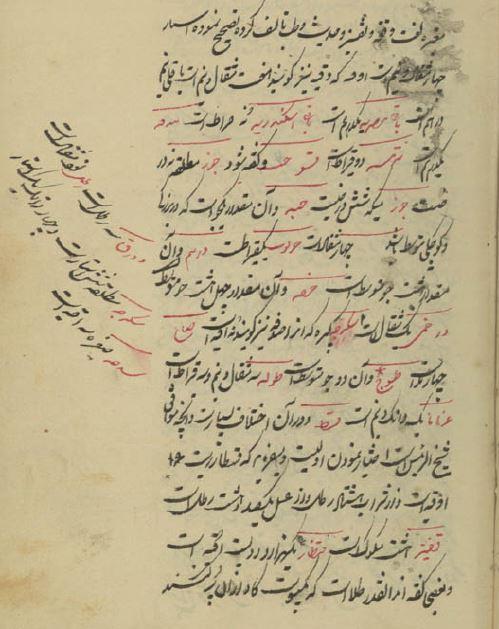
Figure 2. Units of Measurement for Medicines in the twenty-ninth benefit of Manafe’e Afzaliyya (Hakim Afzal, 1641)
Sources Used in Pharmacy by Hakim Afzal
Hakim Afzal, in different parts of the book, meticulously cites and references the works of renowned physicians and scholars who preceded him. In the introduction to his treatise “Manafi-e Afzalieh,” he explicitly acknowledges the sources that guided his compilation of this comprehensive medical compendium. He identifies this book as a distillation of knowledge from esteemed medical texts, including the “Canon of Medicine” (Al-Qanun fi al-Tibb) by Avicenna and the “Complete Book of the Medical Art” (Kitāb Kāmil al-Ṣināʻa al-Ṭibbīya) by Ali ibn Abbas al-Majusi, along with similar works. These sources encompass the accumulated experiences and insights of ancient physicians and pharmacists regarding medicine, pharmacy, various drugs, and therapeutic approaches.
Broadly speaking, the written sources utilized by Hakim Afzal can be categorized as follows:
1- European Medical Texts
Hakim Afzal makes references to prominent European physicians, such as Galen and Philen Tarsusi. He mentions a concoction derived from Chinese roots, formulated by Roman and European physicians, that is beneficial for treating skin ailments, neurological disorders, and joint problems (Hakim Afzal, 1641).
2- Indian Medical Texts
Indian medical texts served as another valuable resource for Hakim Afzal. He recognized the expertise of Indian scholars in employing poisons for therapeutic purposes, noting their ability to create effective purgatives like Habb-e Chipāl using minimal quantities of toxic substances.
3- Islamic Period Persian Medical Texts
Hakim Afzal drew upon the works of renowned Persian physicians and scholars from the Islamic era, including Sheikh Abu Ali ibn Sina (Avicenna), Thabit ibn Qurra17, Al-Qarashi18, Qutb al-Muhaqqiqin Allamah Shirazi19, Khwajah Nasir al-Din al-Tousi, Muhammad ibn Zakariya al-Razi, Ali ibn Abbas al-Majusi, and Abu Rayhan al-Biruni.
For example, regarding Avicenna, a physician of the fourth century AH, it is mentioned that, “Sheikh Abu Ali formulated an oil as a substitute for Balsam oil (Commiphora opobalsamum), which is the best substitute and, in fact, surpasses pure Balsam in its efficacy for most therapeutic purposes” (Hakim Afzal, 1641). He highlights the significance of pharmacy in the works of Qotb al-Muhaqqiqin, noting that this scholar employed medicinal plants (Boswellia carterii and Acacia arabica) and natural substances in his pharmaceutical preparations (Hakim Afzal, 1641). Furthermore, Hakim Afzal mentions Razian’s invention of a pill as a replacement for “Iyarjat Kubar20,” a compound used to treat various ailments such as stroke, paralysis, numbness, tremors, facial paralysis, erectile dysfunction, and drowsiness.
4- Contemporary Medical and Pharmaceutical Texts
Hakim Afzal acknowledges the contributions of contemporary physicians and pharmacists during the Safavid era, such as Hakim Imad al-Din Shirazi, Mir Muhammad Momen Pishwa, and Baha al-Dawlah Razi. He references their works, including “Tarvih al-Arvah,” “Sharh Kolliat Qanoun,” “Khulasah al-Tajarib,” and other esteemed monographs.
For example, Hakim Afzal mentions having seen the handwriting of Hakim Imad al-Din Shirazi. He utilized and corrected the treatise on weights (“Resaleh Auzaan”) by Mir Muhammad Momen Pishwa, a physician from the 16th and 17th centuries, for measuring drugs. Additionally, he attributes the invention of the “Mufarrih-e Shahi” medication to ‘Shah Baha al-Dawlah Noorbakhshi’, a physician from the early Safavid era (Hakim Afzal, 1641).
Conclusion
Hakim Afzal’s Manafe’e Afzaliyya offers a fascinating glimpse into the traditional pharmacy of 17th-century Persia. His emphasis on prescribing medications based on body systems, as detailed in his book, reflects a holistic understanding of health and disease, aligning with the core principles of Persian Medicine (PM). This approach, which considered individual constitutions and temperaments (mizaj), shares conceptual similarities with modern personalized medicine, although the underlying mechanisms and diagnostic tools differ significantly (Stefanicka-Wojtas and Kurpas, 2023; Jafari et al., 2014). While Afzal’s system relied on humoral theory, modern pharmacy is grounded in scientific disciplines like pharmacology and pharmacognosy.
Afzal’s testing techniques, such as the fire test and observation of physical changes, were innovative for their time and aimed at ensuring the purity and efficacy of medications. While these methods lack the precision of modern pharmacognosy and pharmaceutical technology, they underscore a systematic approach to quality control that parallels contemporary practices (Robbers et al., 1996; Evans, 2009). However, the absence of standardized dosages and rigorous clinical trials, as understood in modern pharmacy, highlights limitations in the reproducibility and safety of traditional methods.
The comparison between Afzal’s Materia Medica and modern pharmacopoeias reveals both continuities and discontinuities. Both systems rely on natural sources, primarily plants, but modern pharmacy has expanded its repertoire to include synthetic compounds and biotechnologically produced drugs. While Afzal’s work reflects a deep understanding of local flora and their medicinal properties, modern pharmacognosy employs advanced analytical techniques to identify and isolate active pharmaceutical ingredients. Furthermore, modern pharmacy emphasizes standardization of dosages and formulations, using precise units of measurement, a stark contrast to the traditional units described in Manafe’e Afzaliyya (Gennaro, 2012; Brunton et al., 2018).
Despite these differences, Afzal’s Manafe’e Afzaliyya serves as a valuable historical record of Persian pharmaceutical knowledge. It highlights the importance of empirical observation, clinical experience, and meticulous documentation in the development of medical practices. While modern pharmacy has undoubtedly advanced in terms of scientific rigor and technological sophistication, the study of traditional texts like Afzal’s can offer insights into the historical context of drug discovery and inspire new approaches to integrating traditional knowledge with modern methods for improved healthcare outcomes.
1- Old and torn cloth (Dehkhoda, 1998).
2- It is a tool in pharmacy to pass liquids (Naseri, Rezaeizadeh, and Choopani, 2012).
3- It is a tool in which something is beaten and softened (Jalal Shokohi, 2018).
4- A piece of clothing (Dehkhoda, 1998).
5- Coarse white cotton cloth (Dehkhoda, 1998).
6- Hab-e Shibar is used to cleanse the cold stomach of phlegmatic black bile (Afsharipoor et al., 2013).
7- Soufoof is a type of oral medication that is prepared by grinding and sieving a mixture of herbs or other ingredients into a fine powder. This medication is typically placed on the tongue and swallowed with water or other liquids (Aghili Alavi Shirazi, 2011).
8- Iaraj Loghazia is used in traditional medicine to treat convulsions and urinary incontinenc (Mo’men Tonekaboni, 2011).
9- Mummy is a mineral and black substance similar to bitumen (Aghili Alavi Shirazi, 2011).
10- Distilled alum is a liquid that drops and collects from the alum mine (Mo’men Tonekaboni, 2011).
11- It is one of the famous antidotes in traditional medicine texts. (Secretariat, 2000).
12- shuniz (Nigella sativa), sa’tar (Zattaria multiflora), pepper (Piper nigrum), Halileh-e Kabuli and Halileh-e Siah (Terminalia chebula), Balileh (Terminalia bellerica), Āmalaj (Phyllanthus emblica), Nan-khah (Carum copticum), Kermani Mountain cumin (Carum carvi), Zoronbad (Zingiber zerumbet), Anisoon (Pimpinella anisum), Mastaki (Pistacia lentiscus) and Oud Qamari (Aloexylon agallocha).
13- He states, “Know that the nobility and virtue of Jadwar are beyond description. I, this humble servant, have witnessed several benefits from it that are akin to breaking the mold of customs. I shall recount most of what I have experienced.” (Hakim Afzal, 1641)
14- In traditional medicine, the water in which medicine is soaked is called “naqu” (Naseri, Rezaeizadeh, and Choopani, 2012).
15- “Bitumen” is a naturally occurring black or brownish-black viscous liquid or solid mixture of hydrocarbons (Aghili Alavi Shirazi, 2011).
16- The author states that these widely used weights, frequently mentioned in medical texts, have been compiled and corrected based on the treatise on weights authored by Mir Muhammad Momin Pishwa for Muhammad Qoli Qutb Shah, after extensive scrutiny of various authoritative sources in lexicography, jurisprudence, exegesis, hadith, and medicine (Hakim Afzal, 1641).
17- Abu al-Hasan Thabit ibn Qurra al-Harrani (836-901 AD) was a polymath, astronomer, and prominent physician, renowned as one of the most distinguished translators from Greek and Syriac into Arabic (Rashed, 2009).
18- Alāʾ al-Dīn Abū al-Ḥasan ʿAlī ibn Abī Ḥazm al-Qarashī, known as Ibn al-Nafīs, was a renowned physician from Damascus and a discoverer of the circulatory system, who lived in the thirteenth century AD (Zargaran, 2022).
19- Qutb al-Din Mahmoud ibn Mas’ud ibn Mosleh Shirazi, known as Qutb al-Din Shirazi (1236-1311 AD), was an Iranian physician, mathematician, astronomer, and philosopher. He was a student of Khwaja Nasir al-Din al-Tusi and the teacher of Kamal al-Din Farisi (Gamini, 2020).
20- It is a kind of laxative
Acknowledgements
The current research has been approved by the ethics committee of Babol University of Medical Sciences with the ethical code IR.MUBABOL.HRI.REC.1401.014.
Authors’ Contribution
The authors confirm their contribution to the paper as follows: Conceptualization, Supervision, Validation, Writing- Reviewing and Editing: Zahra Aghabeiglooei, Roshanak Saghebi, and Jamal Rezaei Orimi. Investigation, Resources, Writing- Reviewing and Editing: Bita Ghazizadeh, Zahra Aghabeiglooei and Jamal Rezaei Orimi. Methodology, Software, Formal analysis, Writing- Reviewing and Editing: Mortaza Mojahedi, Roshanak Saghebi and Zahra Aghabeiglooei. Investigation: Mortaza Mojahedi and Zahra Aghabeiglooei. Conceptualization, Supervision, Writing- Original draft preparation: Zahra Aghabeiglooei and Mortaza Mojahedi. All authors read and approved the final version of the work.
Funding
This research funded by Babol University of Medical Sciences.
Conflict of Interest
None.
References
- Abdipour Mehrian, S.R., Uddin, S., Ghahramani, Z., et al., 2024. Evidence-based practice in traditional Persian medicine (TPM): a stakeholder and social network analysis. BMC Complementary Medicine and Therapies, 24, pp. 1-10.
- Afsharipoor, S., Shams Ardakani, M.R., Mosaddegh, M., Qhannadi, A.R., Mohagheghzadeh, A.A., and Badr., P., 2013. Familiarity with the basics of pharmaceuticals and traditional medicinal forms of Iran. Tehran: Choogan Publication. [in Persian].
- Aghili Alavi Shirazi, S., 2011. Makhzan al-Advieh. Tehran: Sabz Avang. [in Persian].
- Amrollahi-Sharifabadi, M., Rezaei Orimi, J., Adabinia, Z., et al., 2024. Avicenna’s views on pest control and medicinal plants he prescribed as natural pesticides. Wiener Medizinische Wochenschrift, 174, pp. 279–287.
- Anderson, S., 2005. Making Medicines: A Brief History of Pharmacy and Pharmaceuticals. London: Pharmaceutical Press.
- Atkins, P., and de Paula, J., 2010. Atkins’ Physical Chemistry. London: Oxford University Press.
- Boroumandi, N., Jowkar, N., and Salehi, A., 2018. Study of stylistic features of the book “Favayed Al-afzaliyeh”. J Res Hist Med, 7, pp. 31–46.
- Brunton, L.L., Lazo, J.S., and Parker, K.L., 2018. Goodman and Gilman’s The Pharmacological Basis of Therapeutics. New York: McGraw-Hill Education.
- Chen, S., Chen, Q., Askool, Y., et al., 2023. Textual research on Dioscorides and De Materia Medica. Chinese Medicine, 14, pp. 208–219.
- Dehkhoda, AA., 1998. Dehkhoda Dictionary. Tehran: Tehran University Press and Publishing. [in Persian].
- Elgood, C., 1970. Safavid Medical Practice (The Practice of Medicine, Surgery and Gynaecology in Persia Between 1500 A.D. and 1750 A.D.). London: Luzac.
- Eslamifard, Z., 2020. An Analysis of the State of Medicine and Pharmacy in the Safavid Era. Tehran: Choogan Publication. [in Persian].
- Evans, W.Ch., 2009. Trease and Evans’ Pharmacognosy. 6th ed. London: Sunders, Elsevier.
- Ezike, T.C., Okpala, U.S., Onoja, U.L., et al., 2023. Advances in drug delivery systems, challenges and future directions. Heliyon, 9, e17488.
- Gamini, A.M., 2022. Some of the Scientific and Historical Features of Qutb al-Din Shirazi’s Ikhtiyārāt-e Muzaffari, the Most Comprehensive Persian Book on Hay’a. Ayeeneh-ye Miras, 18, pp. 131-150. [in Persian].
- Gennaro, A.R., 2012. Remington: The Science and Practice of Pharmacy. London: Pharmaceutical Press.
- Golshani, S.A., Dalfardi, B., Motahari, E., et al., 2013. Hakim Imad al-Din Mahmud ibn-Mas’ud Shirazi (1515–1592), a physician and social pathologist of Safavid era. Galen Medical Journal, 2, pp. 169–173.
- Golshani, S.A., Daneshfard, B., Mosleh, G., et al., 2015. Drugs and pharmacology in the Islamic Middle Era. Pharm Hist (Lond), 45, pp. 64–69.
- Hamarneh, S.K., 1976. The pharmacy and materia medica of al-Biruni and al-Ghafiqi—a comparison. Pharm Hist, 18, pp. 3–12.
- Hakim Afzal, A., 1641. Manafe’e Afzaliyya. [Manuscript] Library, Museum and Document Center of Iran Parliament. No. 17429. Held at: Tehran: ICAL (Islamic Consultative Assembly Library).
- Jafarey, A.A., Alian Aminabadi, F., and Hossein Hashemi, Z., 2014. Favaed-al-Afzalieh: a treatise on medicine and its standing in the Safavid era. Medical Ethics and History of Medicine, 7, pp. 13–26.
- Jafari, S., Abdollahi, M., and Saeidnia, S., 2014. Personalized medicine: a confluence of traditional and contemporary medicine. Altern Ther Health Med, 20, pp. 31–40.
- Jalal Shokohi, J., 2018. Pharmaceutical weights and scales (in traditional Iranian and Islamic medicine). Tehran: Manshoor Samir. [in Persian].
- Kavyani Pouya, H., 2022. Indian medicine and Iranian’s role in its transition to the Islamic era. J Subcontinent Researches, 14, pp. 281–308.
- Khosrobeigi, H., and Azadi, N., 2018. Structural analysis of pharmacology in the book of “Al-Abnieh An Haghayegh Al-Advieh” by Abu Mansour Heravi. J Islamic and Iranian Traditional Medicine, 9, pp. 193–210.
- Khosrobeigi, H., and Jahani, F., 2016. Medical terminology in “Zakhireh Kharazmshahi” book. J Islamic and Iranian Traditional Medicine, 7, pp. 289–300.
- Mahya, R., Halil, T., Mohammad Reza Shams, A., et al., 2022. Abu Reyhan Biruni (973–1048 CE): The pioneer in clarifying the role of pharmacy in medical practice. Traditional and Integrative Medicine, 7, pp. 357-360.
- Mo’men Tonekaboni, M., 2011. Tohfat ol-Momenin. Qom: Noor Vahi. [in Persian].
- Mohaghegh, M., 2005. Cardinal Sciences form Beginning of Safavid Era up to Establishment of Darolafoon Institution. Tehran: Cultural Artistic Prid Institution. [in Persian].
- Mohammadifar, S., 2015. Classification of plants in De Materia Medica (al-Ḥashāʾish) of Dioscorides. J for the History of Science, 13, pp. 213–236.
- Mojahedi, M., Saghebi, R., Gorji, N., et al., 2022. Mizaj assessment and data analysis methods in Amirkola health and aging project (AHAP cohort). Caspian J of Internal Medicine, 13, pp. 795–799.
- Montasab Majabi, H., 2006. A Study of Shi’a Medical Texts in the History of Medicine. Kermanshah: Razi University. [in Persian].
- Naseri, M., Rezaeizadeh, H., and Choopani, M., 2012. An overview of traditional Iranian medicine. Tehran: Publications of Traditional Medicine of Iran. [in Persian].
- Orimi, J.R., Amrollahi-Sharifabadi, M., Aghabeiglooei, Z., et al., 2023. Rhazes’s methodology in the science of toxicology. Arch Toxicol, 97, pp. 93–102.
- Parsa, E., Mokaberinejad, R., Khodadoost, M., et al., 2019. Appetite reducing herbal drugs from the perspective of Avicenna and Aghili in Iranian traditional medicine (Persian medicine). Curr Drug Discov Technol, 16, pp. 400–405.
- Rashed, R., 2009. Thabit Ibn Qurra, Scholar and Philosopher (826-901). Berlin: De Gruyter.
- Robbers, J.E., Speedie, M.K., and Tyler, V.E., 1996. Pharmacognosy and Pharmacobiotechnology. Philadelphia: Williams and Wilkins.
- Schulz, H., 2023. Relationships between traditional Persian/Iranian medicine and other traditional medical systems. In: Medicinal Plants Used in Traditional Persian Medicine. CABI GB, pp. 136–166.
- Secretariat, C., 2000. Materia Medica in Iranian Traditional Medicine. In: 1st International Congress on Traditional Medicine and Materia Medica, Tehran, 26-27 November 2000. Tehran: Faculty of Pharmacy, Shahid Beheshti University of Medical sciences and Health Services. [in Persian].
- Shamsi, M., Haghverdi, F., and Changizi Ashtiyani, S., 2014. A brief review of Rhazes, Avicenna, and Jorjani’s views on diagnosis of diseases through urine examination. Iran J Kidney Dis, 8, pp. 278–285.
- Shang, J., Zhao, Q., Yan, P., et al., 2023. Environmental factors influencing potential distribution of Schisandra sphenanthera and its accumulation of medicinal components. Frontiers in Plant Science, 14, pp. 1-14.
- Sobhani, Z., 2021. Analytical Study on the Structure of Monograph Writing in the History of Medicine in Islamic Civilization, from the Beginning to the Qajar Period. Master’s thesis. Tehran Univercity of Medical Sciences, Tehran.
- Soleymani, S., Tajik, N., Karimi, M., et al., 2020. The early report of herpetic whitlow by Bahā al-Dawlah Razi in 15th century CE. Le Infezioni in Medicina, 28, pp. 450–452.
- Stefanicka-Wojtas, D., and Kurpas, D., 2023. Personalised medicine—implementation to the healthcare system in Europe (focus group discussions). J Pers Med, 13, p. 380.
- Tadjbakhsh, H., 2000. History of Veterinary and Medicine of Iran. Tehran: Tehran University Publication.
- Tansaz, M., Chaichi-Raghimi, M., Kaveh, S., Dar, F.A., and Mojahedi, M., 2021. Principle of Hot and Cold and Its Clinical Application in Persian Medicine. Advances in experimental medicine and biology, 1343, pp. 21–37.
- Torkaman, A., 1998. Tarikh Alam Ara-yi Abbasi. Tehran: Doniaye Ketab. [in Persian].
- Zargaran, A., 2022. Pulmonary Circulation Discovery Before Ibn Nafis—Ancient Persian and Greek Theories: A Narrative Review. JAMA cardiology, 7, pp. 105-107.
- Zargaran, A., Ahmadi, S.A., Daneshamouz, S., et al., 2012. Ancient Persian pharmaceutical vessels and tools in Iranian archaeological museums. Pharm Hist (Lond), 42, pp. 68–71.


