
Introduction
Many scientific works have been devoted to the secrets of the origin of stones from ancient times to the early modern period. Their healing and magical properties are found in the writings of Herodotus, Plato, Aristotle, Theophrastos, Pliny the Elder, Al-Biruni and Ibn Sina (Avicenna). The use of stones for healing purposes dates back to time immemorial. The energy believed to be held by these stones was harnessed by many ancient and medieval physicians, such as Dioscorides, Hippocrates, and others. Historical stone therapy—also known as lithotherapy—was not limited to simply applying or carrying stones. It often required deep knowledge of ancient and medieval sciences, along with spiritual practices involving incantations and methods of communication with non-material beings. Most importantly, it involved understanding how the properties of various stones aligned with mysterious celestial or astrological forces. In other words, those who practiced lithotherapy needed to master a vast body of knowledge, from classical medicine to the widespread tools and symbolic systems of the Middle Ages.
The 11th-century poet, philosopher, and scientist Bishop Marbodius of Rennes (1035–1123), in his “Carmen de gemmis sive lapidibus pretiosis”, argued that God endowed stones with even greater power than plants (Strabon, Pryumskij, and Rennskij, 2000, p. 34). According to Marbodius, through knowledge of these powers and the causes that activate them, many physicians, with their expertise and dedication, could relieve numerous ailments that caused human suffering. He insisted that one should not doubt the miraculous properties of stones, as they possess innate healing powers—surpassing even those of plants (Shultz, 1994, p. 11).
The healing use of stones was also emphasized by Armenian physicians. The Matenadaran of Yerevan preserves numerous medieval Armenian manuscripts on stones, describing their therapeutic properties. Moreover, these texts have parallels in Arabic and Persian sources and in the works of ancient and medieval Greco-Latin authors.
A comparative study of the healing properties attributed to stones can help illuminate the reasons behind this enduring fascination—an interest that stretches back through the centuries. Such research may serve as a basis for scientific justification, as the ancient reverence for precious and semi-precious stones persists even today.
Moreover, traditional stone therapy (lithotherapy) has evolved into its modern counterpart, which incorporates not only ancient practices but also efforts to use the biofield and vibrations attributed to stones—an approach known as radionics. Radionics is the practice of activating vibrations of stones through electrical means. In addition, various minerals continue to be researched and processed in laboratory settings for use in official medicine, both as medicines and food additives.
Armenian Medieval Medical Handbooks Containing Parts on the Healing Properties of Stones and Various Influences on Them
Descriptions of stones and their healing effects appear in the bibliography of nearly all nations. These references are also found in the writings of church authorities. In the Middle Ages, the work on stones by Bishop Epiphanius of Salamis (lived in 310–403) was held in high regard. Fragments of this work survive in his commentaries (Epiphanii Episcopi Cypri, 1864, pp. 293-304). It is known as “The Book on the Twelve Stones of Aaron’s Breastplate” (Rossius, 1997, pp. 22–23), and is uniquely structured as a letter addressed to Bishop Diodorus of Tarsus (d. 394). Although the complete Greek text has not been preserved, summary versions and translations have survived — first in Coptic, Latin, and Assyrian, and later, in the 10th century, in Armenian and Georgian languages.
In the 13th century, the Armenian chronicler Mxit‘ar of Ayrivank produced a new Armenian translation of Epiphanius of Salamis’ work, enriching the descriptions of the stones with additional information about their magical properties. The original text by Epiphanius on precious stones is well known in the field of Armenian handwritten heritage. There are several manuscripts in Maštoc‘Matenadaran containing this work. Its Armenian translation has survived in several manuscript versions, two of which, preserved in the library of the Mekhitarist Congregation in Vienna, were published in 1856 (Cypri, 1856). These versions later became the subject of study by the renowned Armenologist Michael Stone (Stone, 1989), Professor of Armenian Studies and Comparative Religion at the Hebrew University of Jerusalem.
Armenian manuscripts also contain numerous short texts titled “Vasn Akants” (Վասն ականց - “About Stones” / “De gemmis”). (Figure 1) While not identical, these texts share common features (History of Stones, n.d.; The names of the stones, n.d., No. 7325). The names of the stones are often listed in multiple languages, and particular attention is given to their colors, places of origin, and the mysterious powers they are believed to possess—powers said to manifest through hidden or secret forces.
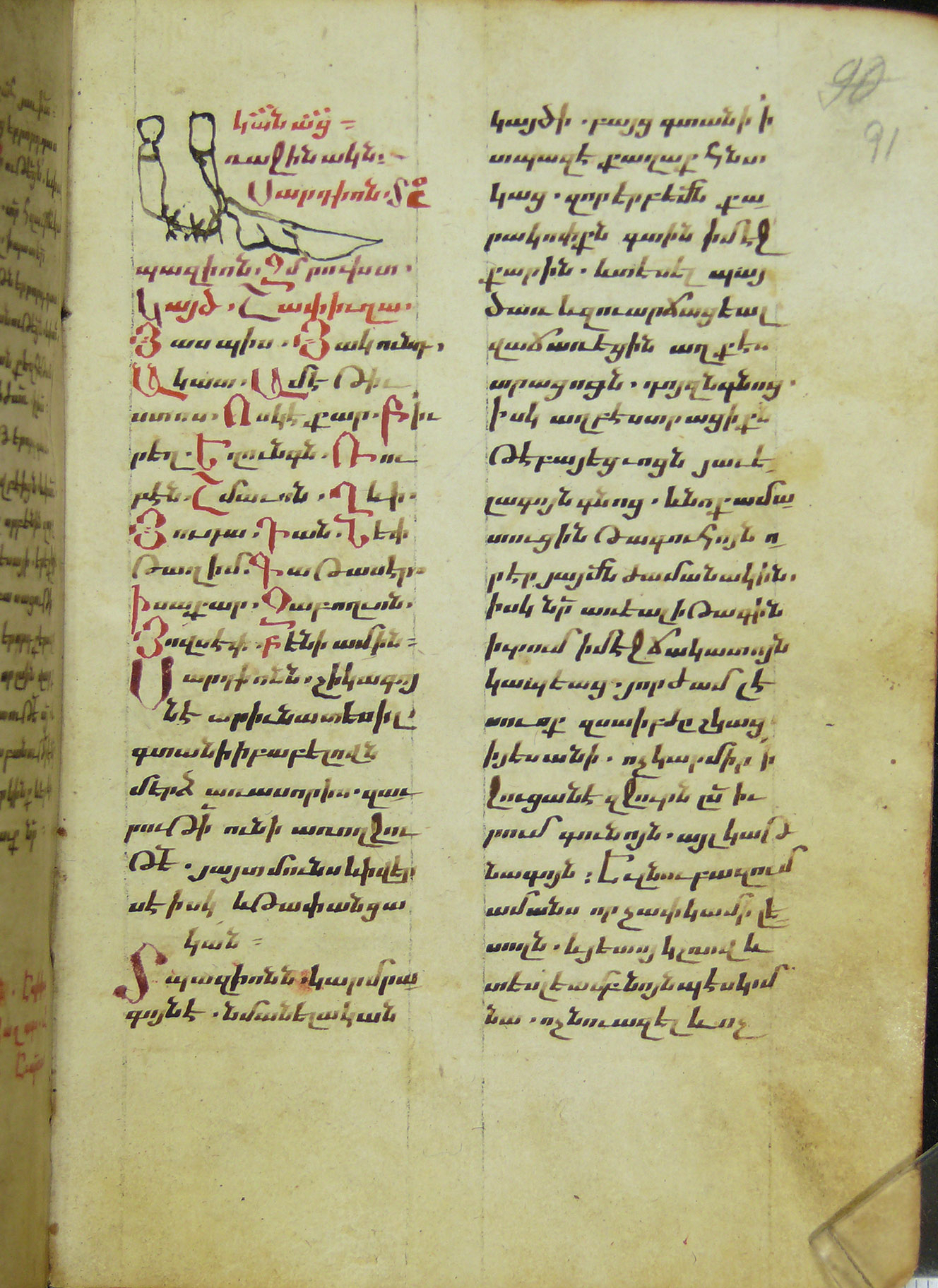
Figure 1. “About the Gems” Manuscript (About the Gems, n.d.)
Owing to the healing properties attributed to stones, they frequently became subjects of study among medieval Armenian physicians. Notably, two short texts on stones have been preserved in the works of the 12th-century Armenian doctor Mxit‘ar Herac‘i. The first bears strong similarities to Epiphanius of Salamis’ treatise “On the honorary stones” (Վասն քարանց պատուականաց), while the other appears to be supplemented with information taken from other sources. In his only surviving medical treatise “Comfort of Fevers” (Ջերմանց մխիթարութիւն), Herac‘i repeatedly recommends the use of certain stones to treat various ailments. A detailed description of the healing effects of various types of stones and other mineral substances appears in the 15th-century pharmacological work “Useless for the Ignorant” (Անգիտաց անպէտ) by the renowned Armenian physician Amirdovlat Amasiac‘i (Amirdovlat Amasiac‘i, 1927). The influence of Arabic works is evident from the names of the stones used there with the component “hajar” (Amirdovlat Amasiac‘i, 1927, p. 262) as well as in the Persian works, for example, such as the one written by Abū Muḥammad B. Abū Al-Ḥasan Khāverāni and known by its unique copy preserved in Yerevan Matenadaran (Kostikyan, 2017, pp. 86-87). A chapter dedicated to the healing properties of stones can likewise be found in the “Book of Medical Art” (Գիրք բժշկական արհեստի) by Asar Sebastac‘i, a prominent Armenian physician of the 17th century (Asar Sebastac‘i, 1993, pp. 184–191).
The healing properties of the stones are widely discussed in the Arabic and Persian works on medical features of the food, plants and minerals called ‘qarābādin’ (compound remedies). This kind of work has its parallels in the Armenian medical handbooks, called axrapatins (a slightly changed version of the word ‘qarābādin’) (Eganyan, Zeytunyan, and Antabyan, 1970, pp. 195, 276, 285, 827), where, among other medicine, likewise the qualitative characteristics of stones and their effects on the human body are discussed in detail.
There is a group of works in Persian devoted to gems, known often as Javāhir nāmas, where the description of the stones and their healing properties is considered (Monzavi, 2004, pp. 3773-3934). The influence of these works circulating in Medieval East is well observed in the short treatises named “Girk‘ Čoharnerun” (Գիրք ճոհարներուն – Arm. Book of the gems) found in the Armenian manuscripts (Book of gems, n.d., No. 605, ff. 224a-234a; Book of gems, n.d., No. 1249, ff. 261a-264a; Book of gems, n.d., No. 3177, ff. 286ab). The title itself is not usual for Armenian, as in this language it would sound ‘Girk‘ goharnerun’ and the usage of the letter ‘č’ instead of ‘g’ speaks of the Arabic and Persian influence. These short treatises in Armenian are full of Persian and Arabic words, such as ‘hasəl - հասըլ’ (v), v (qeymat- price, value), ‘tamam- թամամ’ (tamām – entire, the whole), and the like. They also contain some legends connected with Persian culture and the history of Iran. According to a legend found in a work on the stones recorded in an Armenian manuscript of the Yerevan Matendaran (Book of gems, n.d., No. 605, f. 229a) and also included in the history of Aṙak‘el Davrižec‘i amethiste (known as la‘l, sutak, or mełesik) appeared in Badakhshan during the reign of king Jamshid when an earthquake happened and a rock was cracked (Aṙak‘el Davrižec‘i, 1988, p. 466). The range of the precious stones described in the “Girk‘ Čoharnerun” (Գիրք ճոհարներուն – Arm. Book of the gems) corresponds in its sequence to the range in the work Javāher nāma by Ahmad, the son of ‘Abd al-‘Azīz al-Jawhari, where the chapters begin with the words ‘dar ma‘refat’ (Pers. about) followed with names of the stones: almās (diamond), yāqut (ruby saphire, hyacinth), la‘l (ruby), zomorod (emerald), morvared (pearl), piruze (turquoise), pādzahr (the bezoarstone), ‘anbar ashhab (ambergris), lājvard (lapis lazuli), marjān (coral), aqīq (aqate), yashm (jasper) (Monzavi, 2004, p. 3817). The same sequence we see in the Armenian Girk‘ Čoharnerun omitting the chapters on ‘anbar ashhab (ambergris), lājvard (lapis lazuli) and aqīq (aqate), yashm (jasper). The stones described there are the following and in this sequence: ‘almast, yałūt’, lal, zmrut, margarit, p‘iruz, payzahr, marjān’ (Book of gems, n.d., No. 605, ff. 224a-234a). However, any statement about the abridged translation of the named Persian work into Armenian can be drawn only after a careful comparison with its text, which had not yet been possible because of its unavailability in a published or handwritten version.
One of the earliest Persian works in this field is “Kashf al-asrār fī ma‘arifat al-iḥjār” (Revealing the Secrets in the Knowledge of the Stones) written in the 12th Century by Muḥammad Abū al-Ḥasan Khāverāni and known by its unique copy preserved in Yerevan Matenadaran (Kostikyan, 2017, p. 86). The manuscript, numbered 192 in the collection of Arabic Script Manuscripts in Matenadaran, was one of the 201 manuscripts kept in the library of the Mother See of Holy Ējmacin around the 1880s (Eganyan, Zeytunyan, and Antabyan, 1965, p. 188) and most likely had been known to the Armenians, as also the author had written it for an Artuqid eminent person from Diyarbekir. Khāverāni states in the preface of his work, that he wrote it ‘by the order of ‘Arūs Khātūn, the daughter of the Fakhr al-Dīn Qarā Arslān’ (Khāverāni, n.d., No. 192, f. 2b). The latter should be the Artuqid amir having the same name (Fakhr al-Dīn Qarā Arslān) and ruling in Diyarbakr in 1144-1167 (Bosworth, 1967, p. 119), a region having numerous Armenian inhabitants in that period reflected in the title given to ‘Arūs Khātūn in the author’s dedication: ‘the queen of Rūm, Arman, Diyārbakr and Shām’ (Khāverāni, n.d., No. 192, f. 2b). This Persian manuscript has also the title ‘Ketab-i jawhar nāma’ (کتاب جوهرنامه - The Book of Jawhars) written on its front cover and thus this could be another source for the Armenian works on the gems, like “Girk‘ Čoharnerun”, mentioned above as it coincides with the description of some stones, their origin and sometimes also stories connected with its discovery. For example, the finding of almās has been connected with Alexander of Macedon in both works: the Persian work of Khāverāni (Khāverāni, n.d., No. 192, f. 2b) and the Armenian “Girk‘ Čoharnerun” (Book of gems, n.d., No. 605, f. 224a).
Khāverāni tells in the preface that he had translated ‘Ibn Isḥaq’s’ Arabic work on mineralogy based on the works of Greek philosophers like Aristotle and Galen (Jalinus) about the properties of the stones into Persian (Khāverāni, n.d., No. 192, ff. 1b-2a). This person should be Hunain ibn Ishaq, a Christian Arab, who was a major 9th-century medical figure in Baghdad, who travelled to the Byzantine Empire in search of rare Galenic treatises and translated some works of Galen into Arabic. His labours provided the Arabic world with more Galenic texts than survive today in their original Greek, and with versions that are both technically accurate and stylistically elegant (Nutton, 2001, p. 67). Thus, the preface of the work of Khāverāni shows its adherence and ties with the previous Greek and Arabic works.
The properties of stones attracted not only physicians, but also astrologers, alchemists, and geographers. The topic was popular among Armenians not only in the Medieval period but also later, as Aṙak‘el Davrižec‘i, Armenian historian of the 17th century, has included two chapters of anonymous texts about stones likely dating from the 10th to 12th centuries in his History (Aṙak‘el Davrižec‘i, 1988, pp. 456-463).
So, the study of stones had the closest and most enduring connection with the history of medicine and the development of medical science.
On the Characteristics of the Minerals and Gems
Preserved ancient knowledge suggests that stones—like all other beings—were believed to possess a unique kind of vitality. This belief reflects the attempts of ancient peoples to explain the world around them, its astonishing phenomena, and the seemingly meaningful coincidences they observed. According to the fourth-century Greek philosopher Nemesius of Emesa, life is inherent in all creatures, although not everything that exists is alive in the same way. He argued that even the most inanimate objects possess a form of “habitual” (սովորութային) or “potential” (ունակական) vitality—one that is connected to the Universal Soul simply for the sake of existence, and therefore never truly perishes (Nemesius of Emesa, 2021, p. 26). In this worldview, minerals and stones—like other living beings—are considered to be born, to undergo change during their lives, and to transform from one type into another: in this way, they pass from one state of existence to another.
The absorption and accumulation of immense energy during the birth and formation of minerals was known in various traditions by different names: “prana” in Indian, “ki” in Japanese, and “qi” in Chinese. In this context, and in close connection with nature, ancient peoples regarded stones as living beings—no less alive than animals or plants. A widespread belief held that stones possessed a kind of “soul” or character. The philosopher Leibniz, in his “Monadology” (Մոնադոլոգիայ), emphasized that nature is never entirely soulless or impersonal. According to him, the basic units of existence—monads—are simple, indivisible substances that cannot be destroyed. For this reason, no part of nature is wholly devoid of internal vitality. However, the vital capacities of inanimate nature exist in a dormant state. According to this view, he considered minerals to be sleeping monads, each containing unconscious perceptions. He believed that each of the monads encapsulates the entire Universe within itself (Leibniz, 1982, pp. 413–429).
A similar view appears in the writings of Išox, a 13th-century Assyrian natural philosopher, physician, and member of the Cilician medical school who wrote in Armenian. He referred to metals and minerals as “noble fossils,” (ազնիվ բրածո) formed from the four primary elements in cooperation with divine nature. In his theory, mercury was the origin of all fusible substances, created through the influence of the sun. Sulfur, in turn, formed from mercury’s vapors. Išox associated the creation of crystalline stones with the coldness and purity of both sulfur and mercury, and saw adamases (ալմաստ) as the result of the dryness and coldness of black earth and sedimentary mercury—so hard, he claimed, they could be dissolved only by goat’s blood. When mercury (quicksilver) and sulfur came into contact with the deadly moisture of the earth, they formed lodestone/ magnetite (“diamond” - ադամանդ). He believed that lapis lazulis and emeralds originated from the copper family, and that pearls were created in May, when rain struck the warm muscles of mollusks. According to Išox, all of these stones were created by nature through the collaboration of mercury and sulfur—except for pearls (Išox, 1979, p. 40).
Another Armenian manuscript kept in Matenadaran depository entitled Vasn akants (The names of the stones, n.d., No. 7325) describes how precious and semi-precious stones are formed and gradually matured within large ore deposits. According to the text, they are nourished by the internal heat of the stone and by drops of water seeping into its hollow spaces—much like a fetus nourished by its mother’s blood, which is also gathered drop by drop. The most esteemed stones were believed to form in gold and silver ores, while those found in copper, iron, or azure (lazurite) ores were considered of average value. The author also observes that where gold mines are abundant, precious stones are likewise plentiful. However, mineral richness alone was not enough: a warm environment was considered essential for gem formation, as cold air was thought to hinder the stone’s full development. For this reason, the best stones were said to come from warm and coastal regions, where the moisture is thicker, and the resulting stones are denser, stronger, and more radiant. In colder regions, stones of other kinds were thought to form—even in veins of gold or other ores.
“Know that from the best stone such a world is formed,” the author writes, “that the heat of the sun rises fully upward, meeting the moon and the stars.” He also asserts that each stone has a mother. In order to find the right stone, one must first find its mother, and then carefully observe the surrounding area—specifically at night—to determine whether a glow is present (The names of the stones, n.d., No. 1780, f. 291b).
In antiquity, the properties of organic bodies (heat, coldness, dryness and humidity) were classified according to their degrees of intensity. This system of classification was closely tied to the humoral theory of medicine, which held that health was a matter of balance among the four bodily humors: blood, mucus, yellow bile, and black bile. These, in turn, corresponded to the four material elements of the world: air, water, fire, and earth. When the humoral balance was disturbed, illness would arise. In response, physicians would use powerful substances—selected according to the qualitative scale—to restore the lost equilibrium and thus health. Ancient physicians firmly believed that, in addition to remedies derived from plants and animals, stones too could serve as potent restorative agents.
In his 15th-century work “Useless for the Ignorant” (Անգիտաց անպէտ), the Armenian physician Amirdovlat Amasiac‘i devotes significant attention to stones. It is worth noting that this unique work includes information on approximately 1,000 plant species, 250 animal-derived medicinal substances, and 150 mineral substances, and offers extensive details on their composition, qualitative characteristics, therapeutic effects, prevalence, and names in five to six different languages (Amirdovlat Amasiac‘i, 1927). Within this context, the characteristic qualities and degrees of intensity of various stones are described in detail. For instance, Amirdovlat classifies adamas (ալմաստ-diamons) as having a cold and dry nature, and notes its remarkable strength (Amirdovlat Amasiac‘i, 1927, p. 37). Mxit‘ar Herac‘i further refines this assessment, specifying that adamas is cold and dry in the fourth degree (Mxit‘ar Herac‘i, n.d., No. 1495, f. 159a; Mxit‘ar Herac‘i, n.d., No. 1898, f. 156b). Asar, by contrast, assigns it a first-degree classification, though he also warns that its coldness is so intense that if swallowed, it can freeze a person’s natural heat and cause death. However, he adds that if an adamas (ալմաստ) is held in the mouth without being swallowed, a person can stay without drinking water for up to 20 days (Asar Sebastac‘i, 1993, p. 189). Both Amirdovlat and Asar describe the emerald as cold and dry, whereas Herac‘i considers it hot and dry, emphasizing its detoxifying effect. The amethyst is classified as hot and dry (Aṙak‘el Davrižec‘i, 1988, p. 466) and lapis lazuli as cold and dry (Mxit‘ar Herac‘i, n.d., No. 1495, f. 159a; Mxit‘ar Herac‘i, n.d., No. 1898, f. 256b). However, the Armenian stone, also known as lapis armenius, is believed to have a hot and dry nature, which enables it to actively dissolve black bile (Amirdovlat Amasiac‘i, 1927, pp. 256, 257).
For external remedies, stones were first crushed and ground on some special stone slab rich in quartz grains. The resulting powder was then mixed with honey and wine, heated to enhance its potency, and applied to the affected area of the body. Powdered stones were also included in various medicinal mixtures for internal use. In some cases, simply wearing the stone was recommended for its supposed therapeutic effect.
In addition to precious stones—often used individually—many other stones and minerals appear in Armenian recipes as ingredients in compound remedies. These include amber, pearl, hyacinth, coral, coral root, lodestone (magnetite), lapis lazuli, Armenian stone (or lapis armenius [haikar]), and many other types. Various clays were also used, especially Armenian bole and Lemnian (medicinal) handmade clay. Furthermore, organic stones formed in the intestine of animals were highly valued, as they were believed to possess universal detoxifying effects.
Conclusion
The consideration of the handwritten Armenian sources on the healing characteristics and properties of the minerals and gems shows its multi-lingual basis and close ties with the Greco-Latin, Arabic, and Persian works, enhanced by the experience and observations of the Armenian physicians in the Middle Ages.
In the medieval period, the influence of stones on the human body was not questioned; rather, people sought to understand and explain their astonishing and mysterious properties in order to make informed choices in medicine and the regulation of daily life. While some of these approaches were undoubtedly shaped by exaggeration and myth, they were nonetheless deeply intertwined with empirical knowledge — the result of careful observation and lived experience. Today, modern science has confirmed through numerous studies that stones possess magnetic properties, electrical potential, specific thermal conductivity, and other characteristics that can be harnessed for beneficial use. Therefore, the study of ancient scientific thought remains important — not only for understanding its theoretical foundations, but also for identifying criteria for practical application and tracing the connections between diverse scientific traditions. In fact, this exploration may open the way for comparative analysis or even integration of historical insights into the advancement of modern medical science.
Authors’ Contribution
Karine Mostikyan investigated the material available in the Armenian medical works on the healing properties of the stones and minerals. She revealed the Greek, Latin and Arabic sources used by the Armenian physicians and available in Armenian translation. Kristine Kostikyan drew parallels with works available in Persian in the Matenadaran collection. She also contributed to the conception of the study and revised the manuscript. All authors read and approved the final version of the work.
Funding
None.
Conflict of Interest
None.
References
- About the Gems (Վասն ականց), n.d. [Manuscript] Maštoc‘ Matenadaran Collection of Armenian manuscripts. No. 266, f. 91a. Yerevan: Matenadaran library. [in Armenian].
- Amirdovlat Amasiac‘i, 1927. Useless for the Ignorant or dictionary of medical substances (Անգիտաց անպէտ կամ բառարան բժշկական նիւթոց). Published by K.Y. Basmajian. Vienna: Mxit‘aryans’ printing house. [in Armenian].
- Aṙak‘el Davrižec‘i, 1988. History (Պատմություն). Yerevan: Sovetakan grogh. [in Armenian].
- Asar Sebastac‘i, 1993. Book of Medical Art (Գիրք բժշկական արհեստի). Edited by D.M. Karapetyan. Yerevan: AS ArmSSR. [in Armenian].
- Book of gems (Գիրք ճոհարներուն), n.d. [Manuscript] Maštoc‘ Matenadaran; Collection of Armenian manuscripts. No. 605, 1249, 3177. Held at: Yerevan: Matenadaran Library [in Armenian].
- Bosworth, C.E., 1967. The Islamic Dynasties. Edinburgh: University Press.
- Cypri, E., 1856. The names of the Precious Stones said by Saint Epiphan («Սրբոյն Եպիփանու ասացեալ զանուանս վասն ականց պատուականաց», Ազգային մատենագրութիւն). Bazmavep (Բազմավէպ), 14(3), pp. 46–50. [in Armenian].
- Cypri, E.E., 1864. De Duodecim Gemmis Quæ Erant in Veste Aaronis Liber. Patrologiæ Cursus Completus-Series Græca, 43, pp. 293-304. [in Greek].
- Eganyan, O., Zeytunyan, A., and Antabyan, P., 1965. Catalogue of Manuscripts of Mashtots Matenadaran (Ցուցակ ձեռագրաց Մաշտոցի անվան Մատենադարանի). Vol. I. Yerevan: AS ArmSSR. [in Armenian].
- Eganyan, O., Zeytunyan, A., and Antabyan, P., 1970. Catalogue of Manuscripts of Mashtots Matenadaran (Ցուցակ ձեռագրաց Մաշտոցի անվան Մատենադարանի). Vol. II. Yerevan: AS ArmSSR. [in Armenian].
- History of Stones (Պատմութիւն քարանց), n.d. [Manuscript] Maštoc‘ Matenadaran; Collection of Armenian manuscripts. No. 1786, ff. 73a–76b. Held at: Yerevan: Matenadaran Library. [in Armenian].
- Išox, 1979. Book on Nature (Գիրք ի վերայ բնութեան). Translated from Grabar into Russian by S. Vardanyan. Yerevan: AS ArmSSR. [in Armenian].
- Khāverāni, M.A.Ḥ., n.d. Kashf al-asrār fī ma‘arifat al-iḥjār. [Manuscript] Maštoc‘ Matenadaran Collection of Arabic-Script Manuscripts. No. 192. Held at: Yerevan: Matenadaran Library. [in Persian].
- Kostikyan, K.P., 2017. Catalogue of Persian Manuscript in the Matenadaran. Yerevan: Matenadaran pub.
- Leibniz, G.W., 1982. Works (Сочинения). Vol. 1. Moscow: Misl, pp. 413–429. [in Russian].
- Monzavi, A., 2004. Fehrestvareh ketabha farsi. Vol. V. Tehran: Anjoman asar va mofakher farhangi. [in Persian].
- Mxit‘ar Herac‘i, n.d. About the Precious Stones, their Peculiarities and their Healing Features and in their Alphabetical Order (Վասն քարանց պատուականաց և յատկութեանց և բժշկութեանց նոցա, ի վերայ այբուբենից եդեալ և շարադասեալ). [Manuscript] Maštoc‘ Matenadaran; Collection of Armenian manuscripts. No. 1495, 1898. Held at: Yerevan: Matenadaran Library. [in Armenian].
- Nemesius of Emesa, 2021. On the Nature of Man (Մարդու բնության մասին). Translated from Grabar, edited and with a preface by K. Mosikyan. Yerevan: Matenadaran pub. [in Armenian].
- Nutton, V., 2001. The Rise of Medicine. In: R. Porter, ed., The Cambridge Illustrated History of Medicine. Cambridge: Cambridge University Press, pp. 52–82.
- Rossius, A.A., 1997. Excerpts from an anonymous lapidarium in Cod. Marc. Gr. Z 308 and the tradition of ancient treatises on stones (Эксцерпты анонимного лапидария в cod. Marc. gr. Z 308 и античная традиция трактатов о камнях). Edited by T.V. C‘ivyan. Moscow: Institute of Slavonic and Balcan Studies, pp. 22–23. [in Russian].
- Shultz, Yu.F., 1994. Great Power in Gems: Legends and Tales of Mineral (В геммах великая сила. Легенды и были о минералах). Introduction and commentary by Yu. F. Shultz. Moscow: Kvartet. [in Russian].
- Stone, M.E., 1989. An Armenian Epitome of Epiphanius’s De Gemmis. The Harvard Theological Review, 82(4), pp. 467–476.
- Strabon, V., Pryumskij, V., and Rennskij, M., 2000. Sadik, About the Names, Astrological signs, Culture and Climate Features of the twelve months, Lapidarium (Валафрид Страбон, Вандальберт Прюмский, Садик, О названиях знаках зодиака, культурах и климатических свойствах двенадцати месяцев). Moscow: Nauka.
- The names of the stones (Անուանք ականց), n.d. [Manuscript] Maštoc‘ Matenadaran Collection of Armenian Manuscripts. No. 1780 and 7325. Held at: Yerevan: Matenadaran Library. [in Armenian].

